The estuary of the Yellow River
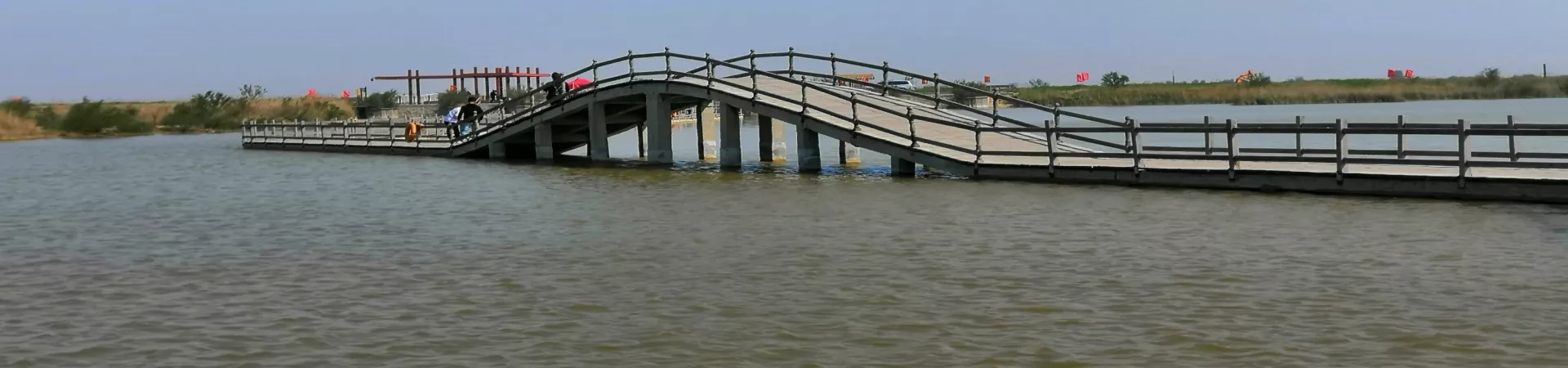
Subtitle: Where the Yellow River Embraces the Bohai Sea: A Guide to Dongying's Dynamic Estuary
Introduction The meeting point of a nation's mother river and the vast ocean is always a place of profound significance, and the Yellow River Estuary in Dongying, Shandong Province, is no exception. This is not a static postcard scene but a living, breathing, and constantly evolving landscape. Formed in 1855 after a major course change of the Yellow River, the estuary sits at the confluence of the Bohai Sea and the Laizhou Bay, near Huanghekou Town in Kenli District. It represents one of the most active and dramatic examples of land formation on Earth, where the river's legendary silt carves new territory into the sea. For the visitor, it offers a unique spectacle of natural power, rich biodiversity, and serene wetlands, all within the Yellow River Estuary Ecological Tourism Zone.
1. The Ever-Changing Landscape: A Geological Drama The defining characteristic of the Yellow River Estuary is its relentless dynamism. The process is a continuous cycle of siltation, extension, and oscillation.
1.1. The River's Gift of Land The Yellow River, carrying vast amounts of sediment from the Loess Plateau, deposits it here where the river current meets the tidal forces of the sea. This constant deposition causes the river's mouth to extend slowly but steadily into the Bohai Sea, literally creating new land year after year. This remarkable process makes the coastline here one of the fastest-growing in the world.
1.2. A History of Movement Historically, the river's course at its mouth has shifted unpredictably. The current primary flow path, known as the Qingshuigou course, is itself a product of human intervention in 1976 to manage flooding and stabilize the flow. This artificially diverted channel has since been shaped by natural siltation into the estuary we see today. The area from Lijin downstream is classified as a weak-tide, continental estuary, meaning oceanic tides have relatively minor influence compared to the massive freshwater and sediment discharge from the river.
2. A Sanctuary for Wildlife: The Ecological Heart Beyond the geological wonder, the estuary's mosaic of freshwater wetlands, brackish marshes, mudflats, and shallow seas creates an exceptionally rich habitat. It is a critical node on the East Asian-Australasian Flyway, transforming the area into a paradise for birdwatchers and nature enthusiasts.
2.1. A Birdwatcher's Paradise During migration seasons (spring and autumn), the skies and wetlands come alive with hundreds of thousands of birds. The area provides crucial resting and feeding grounds for numerous species.
- 2.1.1. Iconic Residents and Visitors Look for the elegant Red-crowned Cranes, stately Oriental White Storks, and large flocks of Saunder's Gulls, a species particularly associated with this region. The sight of endless flocks of geese and ducks painting patterns across the sunset sky is unforgettable.
2.2. Unique Flora and the "Red Beach" The saline-alkaline soil has fostered specialized plant life. Most famously, the Suaeda salsa (sea blite) turns vibrant crimson in the autumn, creating the stunning "Red Beach" landscape—a breathtaking carpet of red stretching to the horizon, a stark and beautiful contrast to the yellow river and blue sea.
3. Practical Information for Your Visit To fully experience the estuary, visitors access it through the integrated Yellow River Estuary Ecological Tourism Zone.
3.1. Admission and Operating Hours Access to the estuary scenic area is covered by the general admission ticket to the ecological tourism zone.
- Ticket Fee: Free admission (for the estuary area specifically). Note that there may be fees for specific park attractions or transportation within the vast zone, such as sightseeing buses or boat tours.
- Opening Hours: 08:30 - 16:30 daily. Last entry is at 16:30. It is advisable to confirm these times before your visit, as they can be subject to change due to weather or seasonal adjustments.
3.2. Key Experiences and Activities
- 3.2.1. The Convergence Spectacle Take a dedicated boat tour (highly recommended, weather permitting) to witness the clear demarcation where the muddy yellow freshwater of the river merges with the blue saline water of the Bohai Sea. This visible line is the iconic moment that defines the visit.
- 3.2.2. Birdwatching Towers and Trails Utilize the observation towers and well-planned boardwalk trails through the wetlands for wildlife viewing and photography. Early morning and late afternoon offer the best light and animal activity.
- 3.2.3. The Vast "New Land" Landscape Simply standing at the viewing platforms and contemplating the immense, flat, and seemingly endless new land formed by the river inspires awe at the scale of natural forces.
4. Planning Your Trip to Dongying A visit to the estuary requires some planning due to its specific location and scale.
4.1. Getting There Dongying city is the primary gateway. It has its own airport (Dongying Shengli Airport) and is accessible by train and long-distance bus from major cities like Jinan and Qingdao. From Dongying city center, you will need to arrange transport (rental car, taxi, or tourist bus) for the approximately one-hour drive to the Kenli District and the entrance to the ecological tourism zone.
4.2. Best Time to Visit
- Spring (April-May) and Autumn (September-October): These are ideal, with mild temperatures and peak bird migration activity. Autumn offers the bonus of the spectacular "Red Beach."
- Summer: Can be hot and humid, with more mosquitoes.
- Winter: Cold and windy, with fewer birds, but the stark, serene landscape has its own beauty.
4.3. What to Bring Prepare for an outdoor experience: wear comfortable walking shoes, dress in layers, and bring sun protection (hat, sunglasses, sunscreen), insect repellent, binoculars for birdwatching, a camera, and sufficient water and snacks, as services within the vast park may be limited.
The Yellow River Estuary is more than a destination; it is a front-row seat to the ongoing creation of the Chinese continent. It is a place where the relentless energy of the Yellow River is finally spent, gifting new land to the nation and providing a sanctuary for life, offering visitors a profound connection to the powerful and beautiful processes that shape our world.
Information last verified/updated: November 16, 2022. Credit to contributor Ma Fengwo user Laohei.