Yellow River Estuary Wetland Park
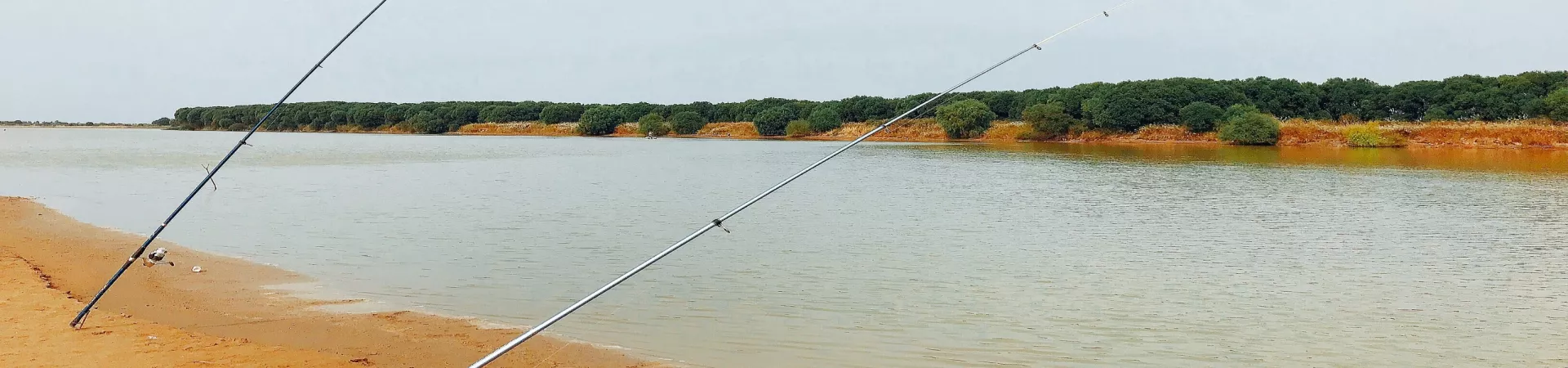
Subtitle: A Journey to Where the River Meets the Sea: Discovering the Yellow River Estuary Wetland Park
Introduction: The Epic Convergence In the northeastern reaches of Shandong Province, China, the ancient Yellow River, often called the "Mother River" of Chinese civilization, completes its long and storied journey. It finally pours its sandy, life-giving waters into the embrace of the Bohai Sea. This dynamic, ever-shifting point of convergence is not merely a geographical feature; it is a grand ecological theater. The Yellow River Estuary Wetland Park, located in Dongying City, protects this magnificent and fragile ecosystem. It offers visitors a rare opportunity to witness the raw power of nature's artistry—where land is continuously born from water, and where freshwater blends with the saline sea, creating a unique habitat teeming with extraordinary biodiversity. More than just a park, it is a living landscape that tells a story of change, resilience, and breathtaking natural beauty.
1. Planning Your Visit: Essential Information Before embarking on your adventure, here are the key practical details to ensure a smooth experience.
1.1. Operating Hours & Admission The park is open year-round, welcoming visitors from 8:30 AM to 4:30 PM daily. The last admission is at 4:30 PM. It is advisable to arrive early, especially during peak seasons, to fully enjoy the vast expanses of the wetland. The standard entrance ticket is priced at 90 RMB. Please note that this fee typically covers basic park access. Additional costs may apply for specific internal scenic area shuttle buses, boat tours to the actual river-sea demarcation line, or specialized guided ecological tours. For the most current information, especially regarding seasonal variations or bundled tour packages, contacting the park directly is recommended.
1.2. Getting There & Suggested Duration Dongying City is accessible by high-speed rail, long-distance bus, or air (via Dongying Shengli Airport). From Dongying's city center, the wetland park is approximately a one-hour drive. Visitors can opt for taxis, ride-hailing services, or organized tour buses. To truly appreciate the scale and serenity of the wetlands, a visit of at least half a day (3-4 hours) is strongly recommended. A full day allows for a more leisurely pace, enabling you to explore multiple observation points, take a cruise, and patiently wait for wildlife sightings without feeling rushed.
1.3. Contact Information For inquiries regarding weather conditions, specific tour availability, or accessibility, you can reach the park at: 400-166-2158.
2. The Heart of the Park: Core Ecological Experiences The park's design facilitates immersive encounters with its primeval landscapes. The main attractions are interconnected by sightseeing buses or boats, leading you deeper into the wetland's heart.
2.1. The Iconic "Yellow and Blue" Demarcation Line This is the park's most legendary spectacle. Taking a specialized cruise from the dock brings you to the point where the mighty Yellow River merges with the sea. Here, you can witness a stunning natural phenomenon: the stark contrast between the river's sediment-laden, yellowish-brown waters and the deep blue of the Bohai Sea. The two bodies of water flow side-by-side without immediately mixing, creating a clear, winding boundary—a vivid line drawn by nature itself. The visibility and drama of this line vary with the river's sediment load, tidal movements, and weather, making each viewing unique.
2.2. A Birdwatcher's Paradise The wetlands serve as a critical "international airport" for migratory birds along the East Asian-Australasian Flyway. Vast reed marshes, shallow lakes, and mudflats provide rich feeding and resting grounds.
2.2.1. Key Species and Observation Points Elevated boardwalks and observation towers are strategically placed throughout the park. Through telescopes, you might spot elegant red-crowned cranes dancing in the marshes, large flocks of swan geese grazing, or the striking black-and-white oriental white storks wading in the shallows. In spring and autumn, the sky can fill with thousands of birds, creating an unforgettable sight and symphony of calls. The park is also one of the few habitats for the rare Saunder's gull.
2.2.2. The Vast Reed Marshes Seasonal changes paint the reed beds in different palettes. In summer and autumn, they form a seemingly endless green and golden sea, swaying in the wind. These reeds are not just a beautiful backdrop; they are the fundamental vegetation that purifies water, stabilizes new land, and provides shelter for countless species.
3. The Unique Landscape: A Land in Constant Flux The park showcases a textbook example of estuary geomorphology shaped by the river's immense sediment discharge.
3.1. The Youngest Land on Earth The Yellow River carries billions of tons of silt annually. As it reaches the flat coastal plain and meets the sea's resistance, this sediment settles, gradually accumulating to form new land. This ongoing process means you are literally walking on some of the youngest landmass on the planet, a landscape that is expanding and changing shape year by year. Informative displays explain this remarkable land-formation process.
3.2. Diverse Wetland Ecosystems Beyond reeds and open water, the park encompasses a mosaic of ecosystems. You will encounter tidal flats teeming with mollusks and crustaceans, shallow lagoons, and willow forests that have taken root on older, stabilized land. This diversity within a relatively concentrated area is what supports such a wide array of life.
4. Enhancing Your Visit: Tips & Activities To make the most of your trip, consider these suggestions.
4.1. Best Time to Visit Each season offers a distinct charm: * Spring (April-May) & Autumn (September-October): The ideal times for birdwatching, as these are peak migration periods. The weather is also mild and pleasant. * Summer: The wetlands are lush and green. While bird variety may be less, the landscapes are vibrant, and it's a good time for the river-sea cruise (though be prepared for heat and mosquitoes). * Winter: A season for stark, minimalist beauty and a chance to see wintering waterbirds. It can be very cold and windy, so dressing warmly is essential.
4.2. Recommended Activities * Photography: The park is a photographer's dream, offering stunning landscapes at sunrise and sunset, dynamic birdlife, and the unique river-sea line. A telephoto lens is highly beneficial. * Educational Tours: Inquire about guided ecological tours for deeper insights into the geology, flora, and fauna from expert guides. * Walking the Boardwalks: Immerse yourself in the sights and sounds by quietly walking the extensive network of boardwalks that minimize human impact on the delicate environment.
4.3. What to Bring * Clothing: Wear comfortable walking shoes and dress in layers. Weather can change quickly. A windbreaker or hat is often useful. * Protection: Sunscreen, sunglasses, and insect repellent (especially in warmer months) are highly recommended. * Essentials: Carry binoculars for birdwatching, sufficient water, and some snacks, as services within the core wetland areas may be limited.