Eco tourism region of Yellow River Delta
Subtitle: A Comprehensive Visitor's Guide to the Yellow River Estuary Ecological Tourism Area, Dongying
1. Introduction to the Destination Nestled at the point where the mighty Yellow River, China's "Mother River," finally meets the Bohai Sea, the Yellow River Estuary Ecological Tourism Area in Dongying, Shandong Province, represents one of the most dynamic and pristine wetland ecosystems in the world. This vast protected area is not merely a scenic spot but a living, breathing testament to nature's regenerative power and a crucial habitat for countless species. Formed by the continuous sedimentation of the Yellow River, the landscape here is in a constant, gentle state of flux, creating a unique environment of reed marshes, shallow waters, and young wetlands. The region is internationally celebrated as a critical staging area on the East Asian-Australasian Flyway, attracting millions of migratory birds annually. For visitors, it offers an unparalleled opportunity to witness the dramatic marriage of river and ocean, explore vast untouched wetlands, and observe rare wildlife in a setting of profound natural beauty and ecological significance.
2. Planning Your Visit: Essential Practical Information A smooth visit requires some basic planning. Here are the key logistical details to consider before your trip.
2.1. Opening Hours and Best Time to Visit The tourism area is open year-round, with operating hours typically from 8:30 AM to 4:30 PM, with last entry at 4:30 PM. It is advisable to arrive early to allow ample time to explore the extensive grounds.
The area showcases different charms across the seasons. The period from April to November is generally considered the optimal time for visitation. Spring brings blooming wildflowers and active birdlife; summer carpets the wetlands in lush green reeds; and autumn is spectacular, with vast seas of reed catkins turning golden and providing the classic backdrop for which the area is famous. This is also the peak season for birdwatching, especially for observing large flocks of migratory cranes and waterfowl. Winter, while colder and quieter, offers a stark, serene beauty and the chance to see wintering bird species.
2.2. Admission Fees Admission fees are seasonal and offer various concessions. All prices are in Chinese Yuan (RMB).
- High Season (April 1 - November 30):
- Standard Adult Ticket: 60 RMB
- Low Season (December 1 - March 31):
- Standard Adult Ticket: 40 RMB
2.3. Concessionary and Free Admission The tourism area provides discounted or free entry to several eligible groups. It is essential to present valid original documentation for verification.
2.3.1. Half-Price Tickets (50% discount): This concession applies to: * Senior citizens aged 60 and above (with valid senior citizen优待证). * Retired veteran cadres (with valid retirement certificate). * Active-duty military personnel (with valid officer or soldier ID). * Disabled military personnel (with valid military disability certificate). * Journalists (with a valid press card issued by the State Administration of Press, Publication, Radio, Film and Television). * Children between 6 and 18 years old, or those over 1.4 meters in height. * Full-time undergraduate students and below (with valid student ID). * Persons with disabilities (with a valid disability certificate; one accompanying caregiver for severely disabled individuals is also admitted free). * High-level talents (with Shandong Huicai Card).
2.3.2. Free Admission: The following visitors are granted free entry: * Children aged 6 and under, or those with a height of 1.4 meters and below. * National medical personnel who served on the front lines of COVID-19 aid in Hubei province are granted lifetime free access. * (Please note: The policies for minors/students and disabled persons+caregiver may be listed under either half-price or free admission depending on specific local implementation. The above categorization aligns with common practice, but visitors should confirm based on the latest official notice).
Important Note: Ticket information is for reference only. Prices and policies are subject to change. Always verify the latest details on the official website or at the ticket office on the day of your visit.
3. Getting There: Transportation Options Reaching the Yellow River Estuary Ecological Tourism Area is straightforward, primarily via public bus from Dongying city center.
3.1. By Public Bus (Recommended) From the Dongcheng (East City) area of Dongying, you can take either Bus Route 173 or Bus Route 30. Your destination is the "Huanghe Rukou" (Yellow River Estuary) bus stop. The journey offers glimpses of the changing landscape from urban to rural to wetland. Upon disembarking, the entrance to the tourism area is within walking distance. Be sure to check the latest bus schedules for return trips to plan your day effectively.
3.2. By Private Car or Taxi For greater flexibility and comfort, hiring a taxi or driving a private car is a viable option. The route is well-signposted from Dongying. Ample parking is usually available near the visitor center. This mode is particularly convenient for families or groups with more luggage or photography equipment.
4. Experiencing the Ecology: Key Attractions and Activities The true essence of the tourism area lies in its immersive natural experiences.
4.1. The Estuary Viewing Platform The undeniable highlight is witnessing the confluence itself. From the specially built viewing platform, you can observe the distinct line where the sediment-laden yellow waters of the river push into the blue-green waters of the Bohai Sea. The sheer scale and power of this natural phenomenon are humbling and provide a phenomenal photo opportunity, especially at sunrise or sunset.
4.2. Birdwatching in the Wetland Sanctuary The wetlands are a paradise for bird enthusiasts. With over 300 bird species recorded, including rare and protected species like the Red-crowned Crane, Oriental White Stork, and Saunders's Gull, the area demands patience and binoculars. Numerous observation decks and hides are strategically placed throughout the reserve, allowing for respectful and minimally intrusive wildlife viewing. The spring and autumn migrations are particularly thrilling periods.
4.3. The Vast Reed Marshes Cycling or taking an eco-friendly shuttle through the seemingly endless reed beds is a mesmerizing experience. In autumn, these reeds transform into a sweeping golden prairie, swaying in the wind and creating a landscape of breathtaking, minimalist beauty. The rustling sound of the reeds is the area's natural soundtrack.
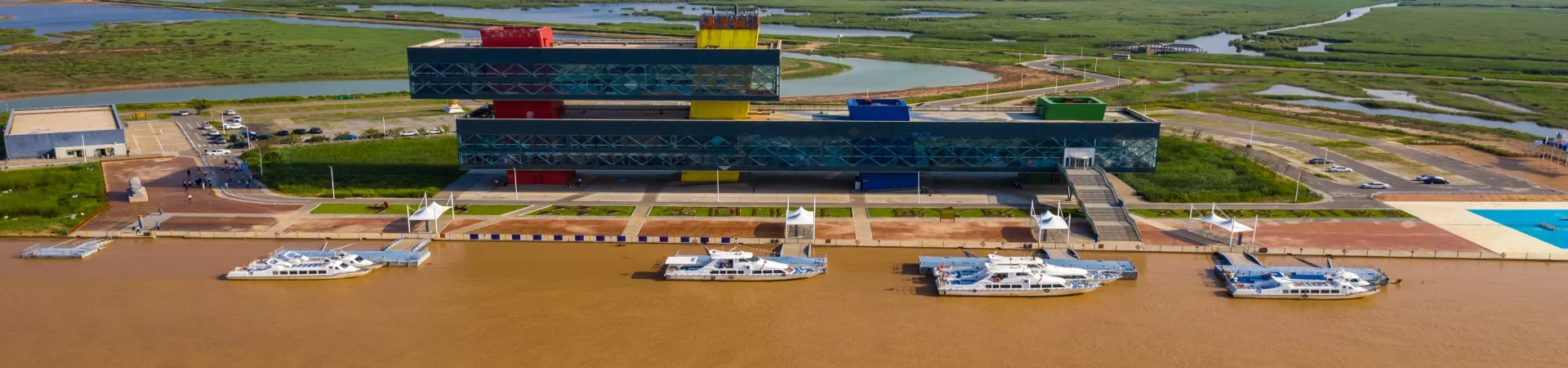
4.4. The Yellow River Estuary Museum Located near the entrance, this modern museum is an excellent starting point for your visit. It provides crucial scientific and cultural context through detailed exhibits on the Yellow River's geology, history, and ecology. Interactive displays and dioramas explain the formation of the delta, the importance of wetland conservation, and the diverse species that call it home, enriching your understanding of the outdoor sights you are about to see.
5. Visitor Tips for an Enhanced Experience * Dress Appropriately: The wetland area can be windy and exposed. Wear layered clothing, comfortable walking shoes, and sun protection (hat, sunscreen). In cooler months, warm attire is essential. * Equipment: Bring binoculars for birdwatching, a camera with a good zoom lens, and sufficient water and snacks, as facilities within the core reserve may be limited. * Respect the Environment: This is a protected ecological zone. Stay on designated paths, do not disturb wildlife or plants, and take all litter with you to help preserve this fragile environment. * Contact: For the most current information, you can contact the general inquiry line at 400-166-2158.
(Information last updated: October 2023)