Shengli Swan Lake Scenic Area
Subtitle: A Seasonal Sanctuary for Birds and Nature Lovers
Introduction: More Than Just a Lake
Shengli Swan Lake Scenic Area in Dongying, China, is often described as a place of serene beauty where visitors can unwind amidst picturesque landscapes. While this is true, such a description only scratches the surface of what makes this destination profoundly unique. This is not merely a park built for human leisure; it is a vast, dynamic ecosystem and a critical haven for migratory birds, where the harmony between industrial heritage, ecological restoration, and natural spectacle creates an experience unlike any other in the Yellow River Delta region.
I. The Heart of the Flyway: An Ecological Jewel
A. A Critical Rest Stop on the East Asian-Australasian Flyway The true significance of Shengli Swan Lake lies in its role as a vital staging post for hundreds of thousands of migratory birds traversing the East Asian-Australasian Flyway. This flyway is one of the world's major migratory routes, stretching from the Arctic Circle to South Asia and Australasia. The scenic area's extensive wetlands, composed of freshwater lakes, reed marshes, and shallow ponds, provide essential resources for these long-distance travelers—abundant food, safe roosting sites, and undisturbed resting grounds.
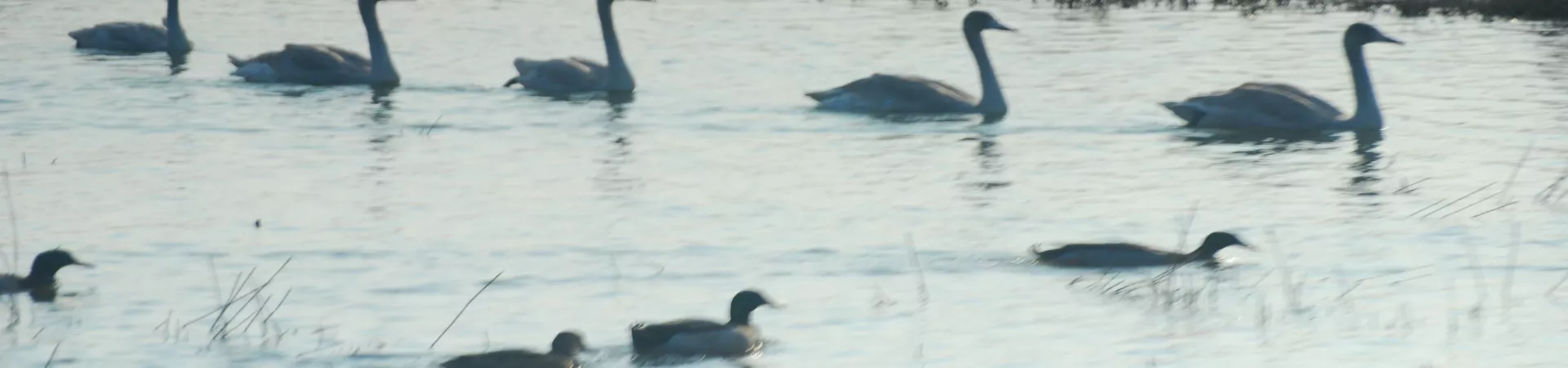
B. Seasonal Spectacles of Avian Life The avian population transforms dramatically with the seasons, offering distinct experiences throughout the year. 1. Winter: The Season of the Swan: As the name suggests, winter is the premier time to witness the area's most famous visitors. Thousands of majestic swans, primarily whooper swans and mute swans, descend upon the unfrozen waters from late October onwards. Their elegant white forms against the blue water and golden reeds, accompanied by their resonant calls, create a breathtakingly beautiful scene. 2. Spring and Autumn: The Migration Crescendo: During the transitional seasons, the lake becomes a bustling avian airport. Vast flocks of ducks, geese, shorebirds, and songbirds stop to refuel. Birdwatchers can spot species like the oriental stork, common crane, and various species of egrets and herons. 3. Summer: A Nursery for Residents: While the numbers of large migrants decrease, summer brings breeding activity for resident species. The dense reed beds buzz with life, offering opportunities to observe nesting birds and their fledglings in a lush, green setting.
II. A Landscape Forged by Industry and Nature
A. Origins in the Oil Fields The very existence of the lake's core water body is intertwined with Dongying's identity as the heart of the Shengli Oilfield. The lake was initially formed by subsidence caused by oil extraction, a common phenomenon in the area. Rather than abandoning these subsided lands, a visionary ecological rehabilitation project was undertaken to manage water flow, introduce vegetation, and transform these zones into thriving wetlands.
B. A Tapestry of Habitats Today, the scenic area showcases a successful model of ecological engineering. Visitors can explore a diverse mosaic of habitats: 1. The Main Lake: The expansive open water is the centerpiece, attracting swimming and diving birds. 2. Reed Marshes and Wetlands: These areas are the ecological powerhouses, filtering water, preventing erosion, and providing dense cover and nesting material for countless species. 3. Woodland Areas and Trails: Planted trees and shrubs offer shelter for smaller birds and insects, while well-maintained walking and cycling paths allow for quiet immersion in nature.
III. Planning Your Visit: A Practical Guide
A. Essential Visitor Information To ensure a smooth and respectful visit, note the following operational details: * Opening Hours: The scenic area is open daily from 07:00 to 19:00 throughout the year. * Best Times for Birding: For swans, visit between November and March. For general bird migration, April-May and September-October are optimal. Early mornings and late afternoons are the most active times for bird activity.
B. Activities and Exploration Beyond passive observation, the area offers structured ways to engage with the environment. 1. Birdwatching and Photography: Equipped with binoculars and telephoto lenses, visitors can spend hours at designated observation decks and hides. The play of light at sunrise and sunset provides exceptional photographic opportunities. 2. Educational and Interpretive Centers: The scenic area features exhibits on local ecology, the story of the wetland's creation, and the importance of the migratory flyway, offering deep context to the natural displays. 3. Leisurely Walks and Cycling: A network of trails encircles the wetlands, perfect for a gentle stroll or a bike ride. The pace allows for noticing smaller details—dragonflies, flowering plants, and the subtle changes in the landscape.
IV. The Ethos of Responsible Tourism
Visiting Shengli Swan Lake comes with a responsibility. This is first and foremost a sanctuary for wildlife. * Observation Ethics: Always maintain a safe and respectful distance from birds and their habitats. Use observation facilities provided. Loud noises and sudden movements can cause stress and disrupt essential resting and feeding behaviors. * Environmental Stewardship: Adhere to strict "leave no trace" principles. Carry out all trash, stay on designated paths to protect fragile vegetation, and avoid any action that could pollute the water. * Supporting Conservation: By visiting, you contribute to the economic rationale for conserving this area. Choosing local guides and respecting all rules directly supports the ongoing balance between tourism and habitat protection.
In essence, a trip to Shengli Swan Lake Scenic Area is an invitation to witness a powerful story of resilience—where nature has reclaimed human-altered land to create a vital refuge. It is a place to appreciate not just tranquil beauty, but the profound interconnectedness of global migration routes and the quiet success of ecological stewardship in the most unexpected of places.