Zhongding Temple
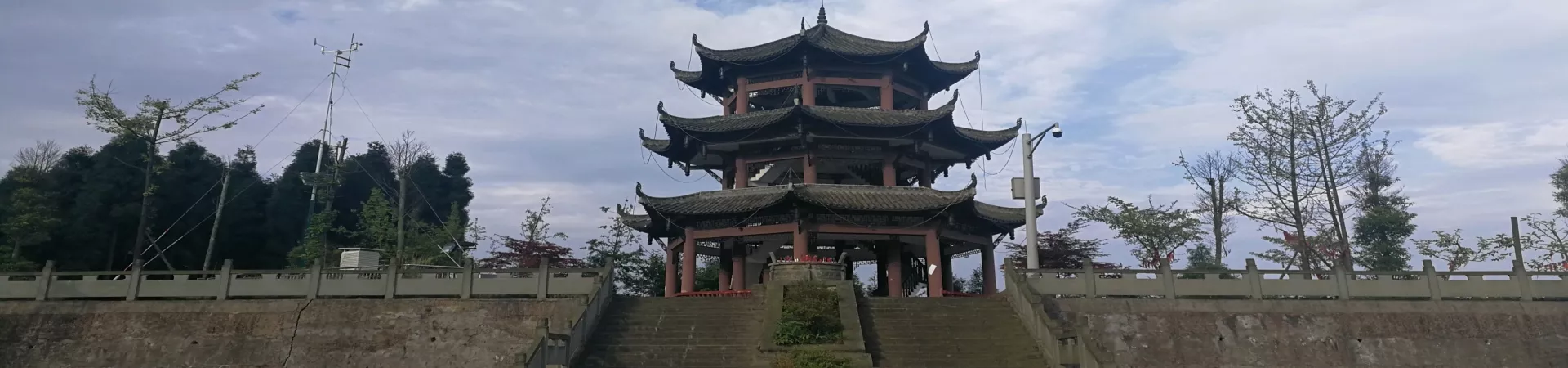
Subtitle: A Journey into the Heart of Sichuan's Sacred Green Mountains
1. Introduction: The Enchanting Allure of Zhongding Temple
Nestled amidst the lush, mist-enshrouded peaks of the majestic Longmen Mountains in Shifang City, Deyang, Sichuan Province, lies a sanctuary of profound peace and natural splendor: Zhongding Temple. More than just a historical site, it is a harmonious blend of spiritual heritage, breathtaking alpine scenery, and serene tranquility, offering a perfect retreat from the clamor of modern life. Often referred to as a "natural oxygen bar," the temple complex is enveloped by dense, ancient forests, where the air is crisp, the sounds are of rustling leaves and distant bells, and the atmosphere is one of timeless reverence. This destination is not merely a visit; it is an experience designed for the soul-seeking traveler, the nature enthusiast, and the cultural historian alike.
2. Historical and Cultural Tapestry
2.1. Legends and Origins The name "Zhongding Temple" (Bell and Cauldron Temple) is steeped in evocative folklore. The most enduring legend tells of the Ming Dynasty emperor Zhu Yuanzhang's descendant, Zhu Yu, who fled here following the dynasty's collapse. He reportedly buried a precious golden bell and an iron cauldron within the temple grounds, symbols of a lost reign, thus bestowing upon the site its resonant name. This tale imbues the location with a layer of romantic mystery and historical poignancy.
2.2. Architectural and Spiritual Heritage While the original structures have undergone reconstruction, the temple stands as a testament to enduring Buddhist culture in the region. The architecture, though modern in its current form, follows traditional Sichuan temple styles, seamlessly integrated into the mountainous terrain. The main halls, including the Mahavira Hall (Daxiong Baodian), house statues of Buddha and Bodhisattvas, providing a focal point for prayer and contemplation. The true cultural essence, however, permeates the environment—the soft chanting of monks, the scent of incense mingling with pine, and the palpable sense of devotion that has attracted pilgrims and seekers for centuries.
3. The Natural Paradise: Scenery and Ecology
3.1. A Verdant Alpine Forest The temple's greatest allure is arguably its spectacular natural setting. Situated at an elevation of over 1,400 meters, it is the centerpiece of the Longmen Mountain National Geological Park. The area is a masterpiece of biodiversity, featuring:
- Ancient Tree Kingdoms: The mountains are home to vast expanses of primeval forest, including rare fir and spruce trees, some hundreds of years old. In spring and summer, the landscape erupts in a carpet of vibrant azaleas and wildflowers.
- Seasonal Spectacles: Each season paints the temple in a different palette. Autumn transforms the forest into a fiery mosaic of red, orange, and gold, while winter covers the pagodas and pines in a pristine, silent blanket of snow, creating a truly ethereal scene.
- Climate and Atmosphere: The high altitude guarantees cool, refreshing temperatures even during the hottest Sichuan summers, making it a coveted summer retreat. The frequent, gentle mists that drift through the valleys add a mystical, almost dreamlike quality to the landscape.
3.2. Key Natural Viewpoints and Trails Visitors can immerse themselves in this ecology through a network of trails and scenic spots:
- Forest Trails: Well-maintained walking paths and wooden boardways wind through the forest, allowing for leisurely hikes. The sounds of birdsong and flowing streams provide a constant natural symphony.
- Cloud Sea Observation: On certain days, particularly after rain, visitors standing at higher points near the temple may be treated to the magnificent phenomenon of a "sea of clouds," where rolling mist fills the valleys below, leaving mountain peaks as islands in a white, fluffy ocean.
- Flora and Fauna: The protected forest is a haven for various bird species and smaller mammals, offering opportunities for quiet wildlife observation.
4. Practical Visitor Experience
4.1. Journey and Accessibility Reaching Zhongding Temple is part of the adventure. The journey from Deyang or Chengdu involves a scenic drive into the mountains, culminating in a climb up a winding mountain road that offers increasingly dramatic views. The final approach prepares the visitor for the separation from the ordinary world, building anticipation for the tranquility ahead.
4.2. Activities and Engagement Beyond sightseeing, the temple environment encourages participatory and restorative activities:
- Cultural Rituals: Visitors may light incense, offer prayers, or simply practice meditation in the temple courtyards, absorbing the serene ambiance.
- Photography and Painting: The interplay of ancient architecture, majestic trees, and mountain vistas presents endless opportunities for photographers and artists.
- Mindful Relaxation: Simply sitting on a bench to breathe the pure air, listen to the wind in the trees, and enjoy the panoramic views is a primary and cherished activity here.
4.3. Local Flavors and Souvenirs The temple area offers a taste of local mountain cuisine. Small restaurants and stalls serve simple, hearty dishes, often featuring wild vegetables, homemade tofu, and locally sourced ingredients. Additionally, visitors can find souvenirs such as locally produced herbal teas, nuts, and handicrafts, serving as tangible memories of the mountain visit.
5. Essential Travel Tips
4.1. Best Time to Visit The temple is accessible year-round, but each period has its charm. Spring (April-May) and Autumn (September-October) are generally considered ideal for their mild temperatures and stunning natural colors. Summer is perfect for escaping the heat, while Winter attracts those seeking a quiet, snowy wonderland, though road conditions should be checked in advance.
4.2. Preparation and Etiquette To ensure a respectful and comfortable visit, consider the following:
- Attire and Gear: Wear comfortable, layered clothing and sturdy walking shoes suitable for mountain paths. Temperatures can be significantly cooler than in the cities, so a jacket is advisable even in summer.
- Temple Etiquette: As an active religious site, visitors should maintain a quiet demeanor, dress modestly, and follow any posted guidelines, especially within the main prayer halls. Always ask for permission before photographing monks or religious ceremonies.
- Health and Safety: The higher altitude may require a more leisurely pace for some. Carry water and snacks, and be mindful of weather changes, as mountain conditions can shift rapidly.