Xiaoquan Ancient Town
Subtitle: A Journey Through Time and Tradition in Western Sichuan
1. Introduction: The Whispers of an Ancient Town
Nestled in the fertile plains of the Sichuan Basin, approximately 25 kilometers north of Deyang City, lies Xiaoquan Ancient Town—a place where history is not merely studied but palpably felt in its winding lanes, serene temples, and enduring customs. Far from the bustling megacities, Xiaoquan offers a profound glimpse into the soul of traditional Sichuanese culture, built upon the intertwined pillars of profound filial piety, distinctive Hui Muslim heritage, and a rich, slow-paced way of life that has gracefully resisted the full tide of modernity. This is not just a tourist destination; it is a living museum, a testament to harmony and remembrance.
2. The Pillars of Xiaoquan's Heritage
The very name 'Xiaoquan' (孝泉), meaning "Filial Piety Spring," anchors the town's identity to one of the most cherished virtues in Chinese culture. This legacy, however, is beautifully complicated and enriched by a deep-seated Islamic tradition, creating a unique cultural tapestry unique in this region of China.
2.1. The Legend of Filial Piety: Jiang Shi and the Spring The town's origin story revolves around the Han Dynasty tale of Jiang Shi, his wife, and his mother. According to legend, the elderly mother longed for a taste of river fish, but the river was distant. Moved by filial devotion, the couple's sincere prayers caused a spring to miraculously burst forth in their courtyard, complete with fish. This "Spring of Filial Piety" gave the town its name. The story is immortalized in the Jiang's Filial Piety Temple Complex, a serene compound where visitors can explore halls dedicated to the family, reflect by the ancient well, and admire classical architecture and stone carvings that have preached the virtue of xiao for centuries. The annual Xiaoquan Filial Piety Culture Festival transforms the town with rituals, performances, and ceremonies, drawing families and scholars to celebrate this ethical cornerstone.
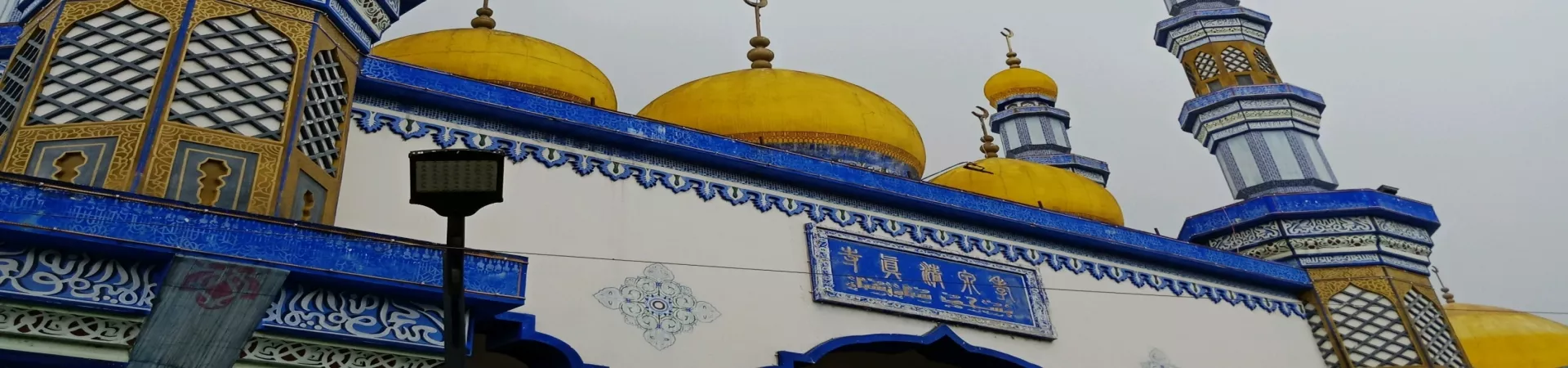
2.2. The Hui Community and Islamic Harmony Since the Yuan and Ming dynasties, Xiaoquan has been home to a significant and vibrant Hui Muslim community. Their presence has fundamentally shaped the town's character, most visibly in its architectural and culinary landscape. The Xiaoquan Mosque stands as a centerpiece of this heritage. With its elegant green-domed roof, Arabic calligraphy, and peaceful courtyards blending Chinese and Islamic architectural styles, the mosque is a place of active worship and quiet contemplation. The call to prayer echoes through the streets, adding a unique layer to the town's soundscape. This centuries-old coexistence between Buddhist/Taoist filial traditions and Islamic faith is a powerful narrative of cultural and religious harmony, making Xiaoquan a remarkable case study in peaceful cohabitation.
3. Exploring the Townscape: A Sensory Journey
A walk through Xiaoquan is a step back in time. The preservation efforts have maintained an authentic atmosphere that is both evocative and tranquil.
3.1. Ancient Streets and Architecture The core of the town is a network of well-preserved Qing Dynasty and Republican-era streets, such as the bustling Zhengshi Street. Here, you won't find generic souvenir shops but traditional storefronts with wooden facades, sloping grey-tiled roofs, and intricate eaves. Artisans may be seen at work, and old tea houses host locals chatting over cups of tea. The architecture is a humble yet beautiful example of Sichuan vernacular style, offering endless photographic opportunities where every corner tells a story.
3.2. The Culinary Crossroads: A Food Lover's Haven Xiaoquan's dual heritage culminates on the plate, offering an exceptional and diverse culinary adventure. * Hui Muslim Delicacies: The aroma of spices and grilled meat is irresistible. Must-try items include Yan's Beef, known for its masterful spicing and tender texture, beef pancakes, hand-pulled beef noodles in aromatic broth, and various skewers. * Local Sichuan Specialties: Alongside Islamic fare, classic Sichuan flavors thrive. Look for Mapo Tofu, Dan Dan Noodles, and local pastries and sweets sold from family-run stalls. * The Food Streets: The area around the mosque and along the main ancient streets is the epicenter of gastronomy, where steaming woks and friendly vendors invite you to taste this delicious synthesis of cultures.
4. Practical Information for Your Visit
To fully embrace the experience of Xiaoquan Ancient Town, a bit of planning is helpful.
4.1. Accessibility and Transportation Xiaoquan is conveniently accessible. The most flexible option is a taxi or ride-hailing service from Deyang city center, a journey of about 40-60 minutes. For budget travelers, public buses regularly depart from Deyang's main bus stations to Xiaoquan. While possible as a long day trip from Chengdu (combined with a stop in Deyang for the Sanxingdui Bronze Mask cultural context), staying overnight in Deyang or seeking local guesthouses in Xiaoquan itself allows for a more immersive and unhurried exploration.
4.2. Visiting Details and Tips * Opening Hours: The ancient town's lanes, streets, and public spaces are open to visitors all day, every day of the year. Individual attractions within, such as the Jiang's Filial Piety Temple or specific exhibition halls, may have their own operating hours (typically ~8:30 AM to 5:30 PM). * Contact: For specific inquiries regarding organized tours or festival events, you may contact the local tourism information via phone at 0838-3601381 or 0838-3633918. * Best Time to Visit: Spring (March-May) and Autumn (September-November) offer the most pleasant weather. Visiting during the Filial Piety Culture Festival (usually in autumn) provides a vibrant, dynamic experience, while weekdays outside of festivals offer a quieter, more intimate encounter with the town. * Cultural Etiquette: As a living community, respect is paramount. Dress modestly when visiting the mosque (covering shoulders and knees), speak softly in residential alleys, and always ask for permission before taking close-up portraits of residents or worshippers.
In essence, Xiaoquan Ancient Town is a profound narrative written in stone, wood, and spirit. It challenges the visitor to slow down, to listen to the stories carried on the wind—from the ancient legend of a spring born of devotion to the rhythmic prayers from the mosque, from the sizzle of beef on a grill to the quiet chatter in a century-old tea house. It is a destination that feeds not just the body with its unique cuisine, but also the mind and soul with its enduring lessons in harmony, respect, and cultural synthesis.