Sanxingdui Museum
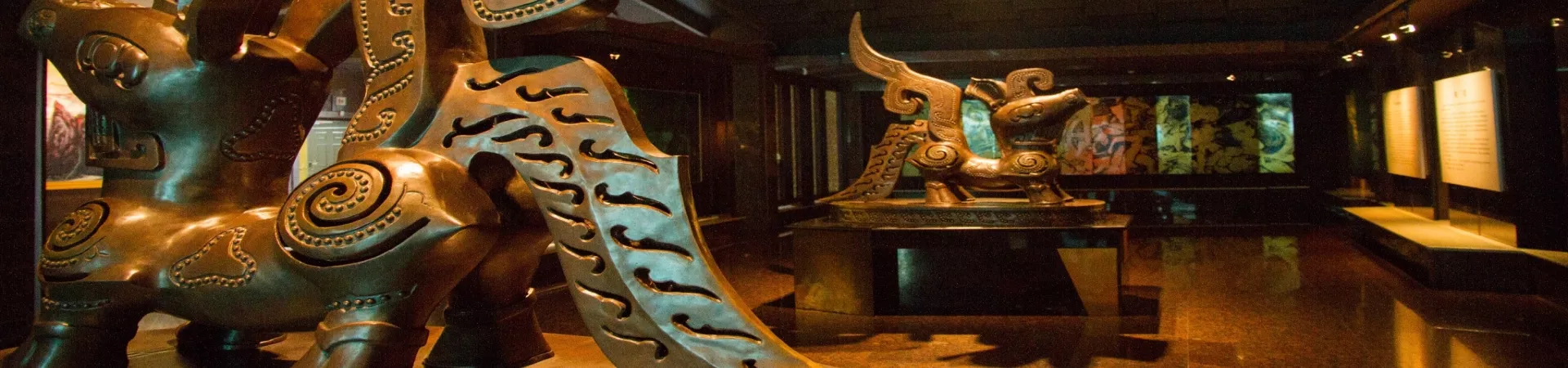
Subtitle: A Portal to the Ancient Shu Kingdom: Your Essential Guide to the Sanxingdui Museum
Introduction Nestled on the northeast corner of the nationally protected Sanxingdui Archaeological Site, along the banks of the Yazi River west of Guanghan City, the Sanxingdui Museum stands as a monumental gateway to a lost civilization. This institution is dedicated to preserving and presenting the relics of the Sanxingdui culture, a discovery that radically reshaped the understanding of ancient Chinese history. The site itself represents the largest, most long-lasting, and culturally richest ancient Shu kingdom settlement ever discovered in southwestern China, dating back approximately 3,000 to 5,000 years. The museum, through its two main pavilions, offers an unparalleled glimpse into this mysterious and highly sophisticated culture, whose artistic achievements remain awe-inspiring and enigmatic.
Planning Your Visit
1. Museum Layout and Highlights The museum complex is primarily divided into two main exhibition halls, each focusing on different aspects of the Sanxingdui discovery.
1.1 The Comprehensive Gallery This gallery sets the stage by exploring the archaeological context of the Sanxingdui site. It details the history of the excavations and displays a vast array of artifacts that illustrate daily life, spiritual practices, and technological prowess. Visitors can admire exquisite pottery with distinct local characteristics, numerous worked elephant tusks indicating vast trade networks or local fauna, and a stunning collection of jade and gold artifacts. The gold items, including masks and scepters, showcase an extraordinary level of craftsmanship and a society that attributed divine or royal authority to such materials.
1.2 The Bronze Gallery This is where the museum truly stuns the senses. Dedicated to the most iconic finds, the Bronze Gallery houses the breathtaking bronze sculptures that have made Sanxingdui world-famous. Here, you will come face-to-face with the colossal standing figure, the towering bronze trees, and the array of massive, stylized bronze masks with protruding eyes and enlarged ears. These artifacts, unlike anything found in the contemporaneous Central Plains civilizations of China, display a unique artistic vision and advanced bronze-casting techniques. They are believed to be connected to shamanistic rituals, a theocratic power structure, or a mythology entirely distinct from traditional Chinese narratives.
2. Practical Visitor Information
2.1 Ticket Information
- General Admission: CNY 72 per adult.
- Concession Ticket: CNY 36 for students with valid ID.
- Free Admission: The following visitors are eligible for free entry (valid ID required):
- Seniors aged 60 and above.
- Active-duty military personnel and disabled veterans.
- Certified firefighters.
- Persons with disabilities (one accompanying caretaker admitted free for blind or severely disabled visitors).
- Children under 1.3 meters in height.
- Important Notes:
- A separate "Garden Ticket" only grants access to the museum grounds and excludes entry to both the Comprehensive and Bronze Galleries. Ensure you purchase the correct ticket.
- All ticket information is subject to change; please verify prices and policies at the ticket office on the day of your visit.
2.2 Opening Hours
- The museum is open daily from 08:30 to 18:00, with last admission at 17:00.
- These hours apply year-round, but temporary adjustments for maintenance or special events are possible.
3. Getting to the Museum
3.1 Direct Tourist Shuttle from Chengdu The most convenient option is the direct tourist bus. Services depart from the Jinsha Site Museum service point or the Chengdu Research Base of Giant Panda Breeding service point in Chengdu. This offers a seamless, non-stop journey to the museum.
3.2 Public Transportation from Chengdu For a more economical route, take Chengdu city bus routes 1, 7, 45, 63, 69, 70, 71, 83, or 302 to Zhaojuesi Bus Station. From there, transfer to a bus bound for Guanghan City (journey time approximately 20 minutes). Upon arrival in Guanghan, take local bus route 6 or 10 to the Sanxingdui Museum stop.
4. Making the Most of Your Tour
4.1 Suggested Duration To fully appreciate the scale and detail of the collections, a visit of 2 to 3 hours is recommended. Allocate sufficient time to read the informative displays and contemplate the significance of the major artifacts.
4.2 Guided Tours and Services
- Audio guides and professional human guides are available for hire at the museum. A guide can provide invaluable context, explaining the theories behind the artifacts and the ongoing archaeological mysteries.
- Note that tour guides not leading an official group are required to purchase a concession ticket for their own entry.
- The museum typically offers basic visitor facilities, including restrooms, a gift shop selling replicas and books, and likely a café or water station.
The Sanxingdui Museum is more than a collection of ancient objects; it is a confrontation with the unknown. It challenges historical assumptions and presents a civilization of immense creativity and spiritual depth. Walking through its galleries, one does not merely see history but feels the enduring mystery of a culture that chose to bury its most sacred treasures, leaving behind a puzzle that continues to captivate the world.