Luocheng
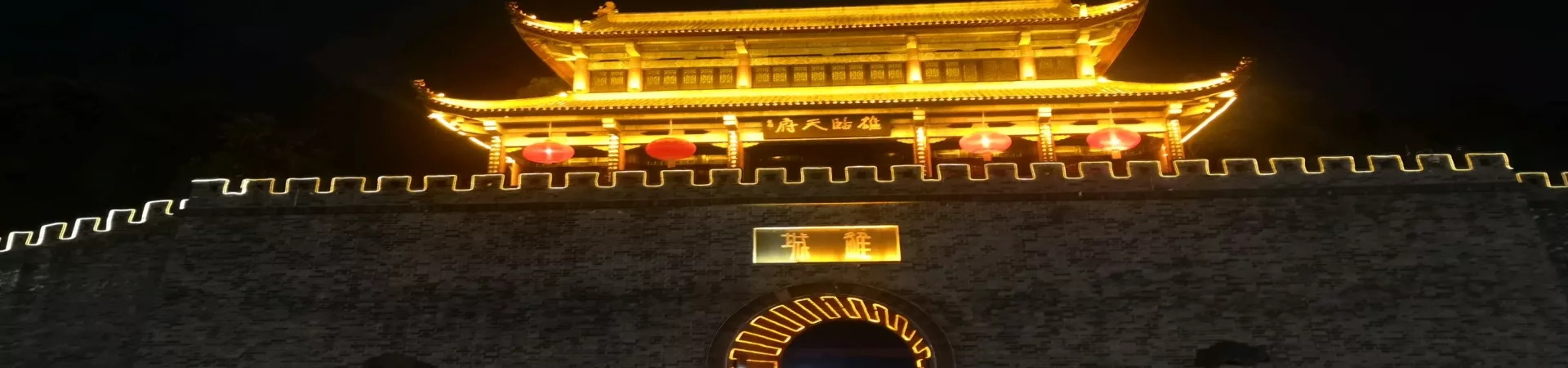
Subtitle: Exploring Luocheng: A Journey Through Ancient Sichuan's Archaeological Heart
1. Introduction to the Luocheng Site
Nestled within the modern city of Guanghan, in Sichuan's Deyang prefecture-level city, lies Luocheng, an ancient archaeological site of profound historical significance. This is not a reconstructed "old town" for tourists, but the genuine, protected remnants of a once-thriving ancient city. Designated as a Major Historical and Cultural Site Protected at the National Level, the Luocheng site encompasses a vast area of approximately 1.6 square kilometers. Its boundaries are defined by contemporary landmarks: to the east by Waidong Shuncheng Road, to the south by the edges of Fanghu Park, to the west by the southern section of Guihua Street, and to the north by the southern bank of the Yazi River. This strategic location near the river was crucial for the city's early development and defense. Visiting Luocheng is an immersive step back in time, offering a tangible connection to the sophisticated urban planning and rich culture that existed in the Sichuan Basin over two millennia ago. The site's preservation allows for contemplation of the scale and organization of ancient Chinese settlement patterns outside the well-known central plains.
2. Historical Significance and Archaeological Context
2.1. Origins and the Shu Kingdom The historical importance of Luocheng is deeply intertwined with the ancient Shu Kingdom, a distinct and advanced Bronze Age civilization that flourished in the Sichuan Basin. While the spectacular Sanxingdui and Jinsha sites, also located in Guanghan and Chengdu respectively, represent the earlier, perhaps more ritualistic and mysterious phases of Shu culture, Luocheng is believed to represent a later, critical period of Shu history. It is widely considered by scholars to be the location of the capital city during the late Shu Kingdom, possibly serving as a major political and administrative center before and during its integration into the broader Chinese cultural sphere.
2.2. The Qin Integration and Han Dynasty Legacy The site's timeline extends significantly beyond the Shu Kingdom. Following the conquest of the region by the Qin state in 316 BC, the area was incorporated into the expanding Chinese empire. Luocheng continued to be a vital regional center throughout the subsequent Han Dynasty (206 BC – 220 AD). The archaeological layers from this period are particularly rich, revealing the process of cultural amalgamation where indigenous Shu traditions met and blended with the administrative practices, architectural styles, and material culture of the Qin and Han empires. Excavations have uncovered foundations of city walls, gates, drainage systems, and numerous residential compounds, painting a detailed picture of urban life.
2.3. What the Ruins Reveal Walking through the designated areas of the site, visitors can observe the clear outlines of the ancient city walls, which give a sense of the settlement's formidable size and defensive capabilities. The layout demonstrates advanced urban planning principles for its time. Artifacts unearthed here—including intricate pottery, coinage, tools, and building materials—are invaluable for understanding the daily commerce, craftsmanship, and technological level of its inhabitants. Luocheng thus acts as a crucial bridge in the historical narrative, linking the enigmatic bronze-masking culture of early Shu with the consolidated imperial administration that characterized later Chinese rule in Sichuan.
3. Practical Visitor Information
3.1. Admission and Operating Hours One of the most appealing aspects of visiting Luocheng is its accessibility. There is no admission fee to enter the archaeological site area, making it an excellent and cost-effective destination for history enthusiasts, students, and casual visitors alike. The site is open to the public 24 hours a day, every day of the year. This "open all hours" policy offers exceptional flexibility. Visitors can choose to explore under the bright daylight, which is ideal for examining the geographical layout and taking photographs, or experience the site in the quieter, more atmospheric evening hours. However, it is important to note that while the grounds are accessible, there may be no formal lighting after dark, and access to certain delineated areas might be informally restricted for preservation reasons.
3.2. Suggested Duration and Best Time to Visit A typical visit to comprehensively explore the key visible features of the Luocheng site requires between one to three hours. This allows sufficient time to walk along the perimeter defined by the ancient walls, absorb the informational signage (primarily in Chinese), and reflect on the historical scale of the city. Given the outdoor nature of the experience, the best times to visit are during the spring (March to May) and autumn (September to November) months, when Sichuan's weather is most temperate and pleasant. Summers can be hot and humid, while winters are often damp and chilly.
4. Exploring the Surrounding Area: Fanghu Park and Guanghan
4.1. Fanghu Park: A Neighboring Green Oasis Directly adjacent to the southern boundary of the Luocheng site is Fanghu Park. This beautiful classical Chinese garden provides a serene counterpoint to the archaeological grounds. With its peaceful lakes, traditional pavilions, arched bridges, and meticulously landscaped greenery, the park is a popular spot for locals to relax, practice tai chi, or enjoy tea. The proximity of the park to the ancient ruins creates a fascinating juxtaposition—the leisurely pace of modern life set against the silent testimony of ancient urban planning. A visit to Luocheng can be perfectly complemented by a stroll through Fanghu Park.
4.2. Guanghan as a Cultural Hub The city of Guanghan itself is a crucial hub for anyone interested in ancient Sichuan history. A visit to Luocheng is highly recommended as part of a broader archaeological itinerary. The world-renowned Sanxingdui Museum, located just a short distance away, is an absolute must-see. It houses the breathtaking and otherworldly bronze masks, sculptures, and gold artifacts excavated from the Sanxingdui site, offering a stunning glimpse into the earlier, spiritually intense phase of the Shu civilization. Combining a trip to Luocheng with Sanxingdui allows visitors to appreciate the full chronological sweep and cultural evolution of this remarkable region, from its mysterious religious origins to its later, more integrated urban existence as exemplified by Luocheng.