Huang Jiguang Memorial
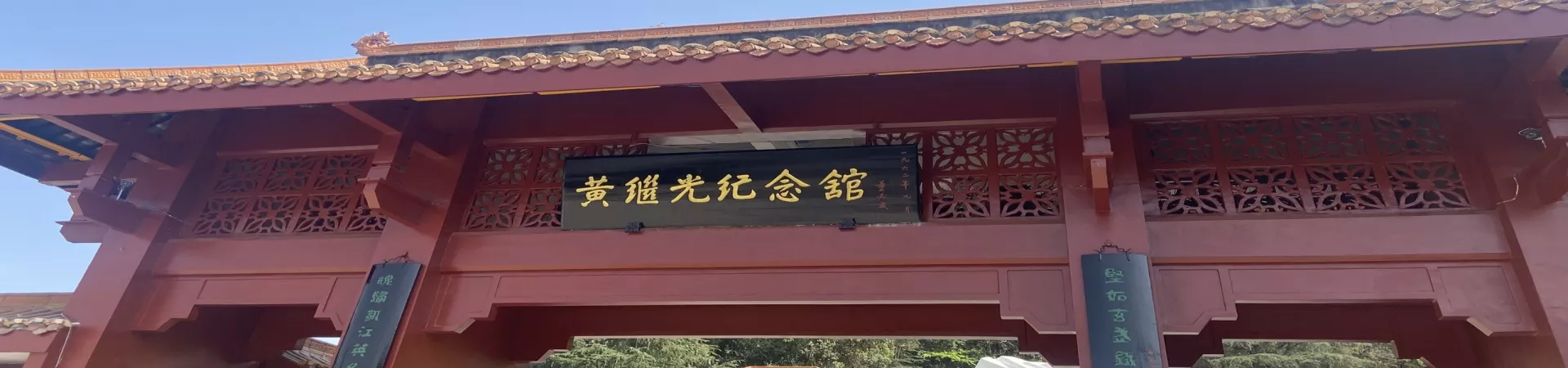
Subtitle: A Journey Through Valor and Sacrifice: The Huang Jiguang Memorial Hall in Deyang, China
Introduction: A Monument to a Heroic Legacy
Nestled within the city of Deyang in Sichuan Province, the Huang Jiguang Memorial Hall stands as a solemn and powerful tribute to one of China's most revered martyrs from the Korean War. More than just a museum, it is a sacred space dedicated to preserving the memory, spirit, and ultimate sacrifice of Huang Jiguang, whose act of extraordinary bravery has become an enduring symbol of patriotism and courage for the Chinese people. The memorial complex, through its thoughtful architecture, extensive exhibits, and serene surroundings, offers visitors a profound opportunity to connect with a pivotal moment in modern history and reflect on the values of dedication and selflessness. It serves as both an educational institution for younger generations and a place of remembrance for all who wish to pay their respects to a national hero.
1. The Life and Times of Huang Jiguang 1.1. Early Years and Enlistment Huang Jiguang was born in 1931 in a small village in Sichuan Province, a region known for its resilience. His early life was marked by the hardships common in rural China during that era. Following the founding of the People's Republic of China, he embraced the opportunity to serve his country, enlisting in the People's Volunteer Army in early 1951 as part of China's forces in the Korean War. This section of the memorial details his humble beginnings, his motivation to join the military, and his rapid development as a soldier committed to the defense of his homeland. Personal artifacts, letters, and photographs from this period paint a picture of a determined young man shaped by his times.
1.2. The Supreme Sacrifice: The Battle of Shangganling The core of Huang Jiguang's story, and the central narrative of the memorial, revolves around the critical Battle of Shangganling (Triangle Hill) in October 1952. Facing a heavily fortified enemy bunker that was decimating his comrades and halting the advance, Huang Jiguang made a decision that would etch his name into history. Despite being wounded, he crawled towards the bunker and, upon exhausting his ammunition, used his own body to block the firing slit, allowing his squad to secure the position at the cost of his life. The memorial hall dedicates a significant exhibit to this event, often featuring a dramatic diorama, battlefield maps, and firsthand accounts from fellow soldiers, immersing visitors in the intensity and significance of that fateful moment.
2. Exploring the Memorial Hall Complex 2.1. Architectural Layout and Symbolism The design of the Huang Jiguang Memorial Hall is deeply symbolic, intended to evoke feelings of reverence and solemnity. The approach to the main hall is often via a broad, ascending staircase, representing the hero's lofty spirit. The main building's architecture typically incorporates elements of solemnity and strength, with statues and relief sculptures depicting scenes of battle and sacrifice. The careful landscaping of the grounds, including pine and cypress trees (symbols of longevity and perseverance in Chinese culture), creates an environment conducive to contemplation and respect.
2.2. Key Exhibition Areas 2.2.1. The Hall of Merits and Exhibits This is the primary indoor exhibition space, systematically chronicling Huang Jiguang's life through a rich collection of historical relics. Visitors can see his military uniforms, personal belongings, the commendations he received, and the weapons used during the Korean War. Detailed explanatory panels and multimedia presentations provide comprehensive historical context about the war and the specific campaign.
2.2.2. The Monument and Sculpture Plaza At the heart of the complex lies a grand monument or an imposing statue of Huang Jiguang in a dynamic, heroic pose. This plaza serves as a focal point for ceremonial activities and personal reflection. It is here that visitors most palpably feel the weight of his sacrifice, and it is a common site for wreath-laying ceremonies, especially on commemorative days like Martyrs' Day (September 30th in China).
2.2.3. The Documentary and Audio-Visual Room To enhance understanding, the memorial hall features a dedicated theater or viewing room. Here, visitors can watch historical documentaries and films that recount the story of Huang Jiguang and the broader history of the Korean War. These audio-visual materials are powerful tools for conveying the emotional and historical gravity of the events.
3. Practical Information for Visitors 3.1. Location and Accessibility The Huang Jiguang Memorial Hall is located in Deyang City, which is well-connected by road and rail. Deyang itself is approximately 60 kilometers from Chengdu, the provincial capital, making it accessible for a day trip. Clear signage and public transportation options are available from Deyang's city center to the memorial.
3.2. Opening Hours and Admission The memorial hall operates with specific hours to manage visitor flow and maintain the solemn atmosphere. Please note the following schedule: * Mondays, Wednesdays, Thursdays, and Fridays: Open from 09:00 to 17:00. Last admission is at 17:00. * Tuesdays: Open from 14:00 to 17:00. Last admission is at 17:00. (Note the later opening time.) * Saturdays and Sundays: Open from 09:00 to 18:00. Last admission is at 17:30. The memorial is generally closed for maintenance on certain public holidays, so it is advisable to verify ahead of your visit. Admission is typically free of charge, though a valid ID may be required for entry.
3.3. Etiquette and Visit Guidelines As a site of memorial and respect, visitors are expected to conduct themselves appropriately. This includes speaking in hushed tones, refraining from inappropriate behavior or loud recreation, and dressing respectfully. Photography may be restricted in certain indoor exhibition areas to protect the relics. Guided tours are often available in Chinese, providing deeper insights into the exhibits.
4. The Enduring Legacy and Educational Role 4.1. Huang Jiguang in National Memory and Culture The figure of Huang Jiguang transcends the historical details of his sacrifice. He has become an archetype of heroism in Chinese culture, featured in school textbooks, literature, films, and art. The memorial hall plays a crucial role in sustaining this cultural memory, ensuring that the story continues to inspire concepts of duty, courage, and love for the nation.
4.2. A Center for Patriotic Education Officially designated as a "National Patriotic Education Demonstration Base," the memorial hall is a key destination for student groups, military personnel, and party members. Educational programs are designed to contextualize Huang Jiguang's sacrifice within the broader narrative of China's modern development and the fight to safeguard national sovereignty. Interactive and educational activities are tailored to engage young visitors, fostering a sense of historical continuity and civic responsibility.
4.3. Reflections on Peace and Sacrifice Ultimately, a visit to the Huang Jiguang Memorial Hall prompts broader reflections. It encourages visitors to contemplate the brutal costs of war and the precious nature of peace. The story of a single soldier's supreme sacrifice becomes a gateway to understanding collective history, the price of national dignity, and the universal human capacity for valor in the face of overwhelming odds. The quiet grounds and solemn exhibitions leave a lasting impression, reminding all who walk through them of the profound impact one individual's courage can have on the memory of a nation.