Fanghu Park
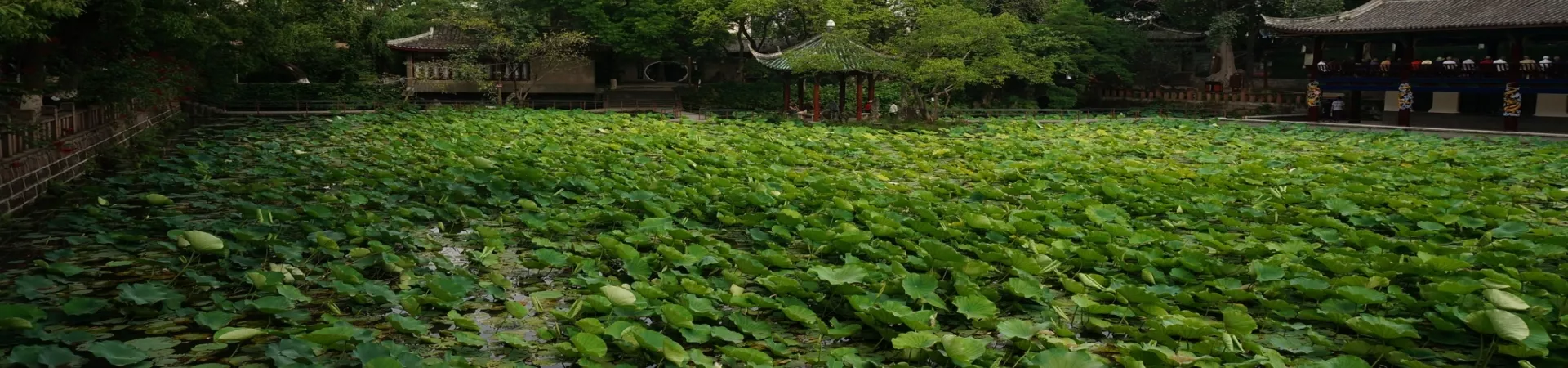
Subtitle: A Tang Dynasty Legacy of Elegance and Tranquility in Western Sichuan
Nestled in the southwestern corner of Luocheng Town in Guanghan City, Fanghu Park stands as a verdant oasis and a profound historical testament, rightfully earning its moniker as the "Pearl of Western Sichuan." This expansive park, covering a remarkable 528,000 square meters—a rare scale for gardens in the region—traces its origins back to the illustrious Tang Dynasty. Its creation is attributed to the renowned statesman Fang Guan, who commissioned the garden during his tenure as the Prefect of Hanzhou. More than just a green space, Fanghu Park is a living chronicle, a poetic landscape where history, architecture, and nature converse in harmony.
A Tapestry of Dual Horticultural Traditions
The park's core allure lies in its masterful synthesis of two distinct Chinese garden aesthetics. This unique fusion creates an environment where every turn offers a shift in perspective and ambiance.
The Subtle Refinement of the Jiangnan Style Walking through certain sections of Fanghu Park, visitors are gently transported to the classical gardens of Suzhou. This influence manifests in the meticulous attention to miniature detail and the philosophy of "borrowing scenery." Serpentine, covered walkways with intricate lattice windows frame picturesque views, while delicate pavilions with upswept eaves provide quiet corners for contemplation. The careful arrangement of rocks, ponds, and vegetation follows the Jiangnan principle of creating a idealized, miniature universe within a confined space, emphasizing elegance, balance, and a sense of intimate seclusion.
The Bold Romanticism of Ba-Shu Spirit Interwoven with this southern delicacy is the innate, majestic spirit of Sichuan (historically known as Ba-Shu) landscaping. This character is evident in the park's spacious, open layouts and its embrace of a more untamed, naturalistic beauty. The presence of ancient, towering trees, broader vistas, and the general sense of freedom within the expansive grounds reflect the romantic and generous nature of Shu culture. It is this blend—the delicate with the robust, the curated with the natural—that grants Fanghu Park its distinctive and captivating soul.
Architectural and Historical Landmarks Within the Garden
Beyond its general layout, specific structures and features serve as focal points, anchoring the park's historical narrative and providing visual drama.
The Central Lake: The Heart of Tranquility As suggested by its name, "Fanghu" (Fang's Lake), a central body of water is the park's pulsating heart. The lake acts as a mirror to the sky and surrounding foliage, its surface reflecting the changing moods of the day. Stone bridges arch gracefully over calm inlets, and waterside pavilions offer perfect spots to observe koi fish gliding beneath lily pads. The lake is not merely for viewing; it is the central axis around which the garden's scenery unfolds, creating ever-changing compositions of light, shadow, and reflection.
Monuments to Antiquity: Pillars and Halls Scattered throughout the grounds are tangible links to its Tang Dynasty heritage. The most prominent among these is the Stone Pillar of the Tang Dynasty, an archaeological treasure adorned with carvings and inscriptions that whisper stories from over a millennium past. Additionally, halls and buildings constructed in the architectural style of the era, with their characteristic roof lines and wooden structures, house cultural relics and exhibitions. These features transform a leisurely stroll into an educational journey, allowing visitors to physically connect with the epoch of the park's founding.
Essential Visitor Information
To fully enjoy the offerings of Fanghu Park, planning your visit according to the following practical details is recommended.
Seasonal Operating Hours The park's opening hours adjust to accommodate the rhythm of the seasons and daylight, ensuring visitor comfort and safety.
- Summer Schedule (June 1 - August 31): The park welcomes visitors from 7:00 AM to 10:00 PM, with final admission granted until 10:00 PM. The extended evening hours are ideal for enjoying the cooler air and perhaps a sunset over the lake.
- Winter Schedule (December 1 - February 28): During the shorter winter days, operating hours are from 8:00 AM to 9:00 PM, with the last entry at 9:00 PM.
Navigating the Experience Given the vast area of the park, visitors are advised to wear comfortable walking shoes. The pathways, while well-maintained, invite exploration at a leisurely pace. Mornings are often the most tranquil time to visit, when the light is soft and the garden is freshly awakened. While the park is a year-round destination, the lush greenery of late spring and the subtle hues of autumn provide particularly stunning backdrops for photography and contemplation.