Deyang Confucian Temple
Subtitle: A Journey Through Time: Exploring the Grandeur of Deyang Confucius Temple
1. Introduction: A Western Sichuan Treasure
Nestled in the heart of Deyang City, Sichuan Province, at 133 Wenmiao Street, Jingyang District, stands the Deyang Confucius Temple (Deyang Wenmiao), a monumental testament to China's enduring reverence for education, philosophy, and traditional architecture. Often hailed as "the premier Confucius Temple in Western Sichuan," this site transcends its role as a mere historical relic; it is a serene sanctuary where the intellectual legacy of Confucius is enshrined within a meticulously preserved architectural masterpiece. With origins dating back to the Southern Song Dynasty in 1206 and its present form solidified during the Daoguang reign (1821-1850) of the Qing Dynasty, the temple complex spans approximately 20,800 square meters. It represents one of the most complete, expansive, and regionally distinctive Confucius temples in all of western China, offering visitors a profound and immersive journey into imperial Chinese scholarly culture.
2. Architectural Layout and Symbolism: A Symphony of Symmetry
The Deyang Confucius Temple is celebrated for its exceptional state of preservation, maintaining an intact layout that strictly adheres to classical Chinese temple design principles centered on axial symmetry and hierarchical spatial order. The entire complex is organized along a solemn north-south central axis, with the majestic Dacheng Hall (Hall of Great Accomplishment) serving as its physical and spiritual core.
2.1. The Southern Approach: Journey to the Sacred The visitor's journey begins at the southernmost point with the Wanren Gongqiang (Wall of Ten Thousand Ren), a towering screen wall that traditionally shielded the temple's sanctity from the outside world. Passing through the Lingxing Gate, an ornate portal symbolizing the gathering of scholarly talents, one encounters the Pan Pond (Panchi), traversed by the Pan Bridge. This feature, reminiscent of the moat around the Imperial Academy, symbolizes the transition from the secular to the sacred realm of learning.
2.2. The Central Axis: Core Ritual Spaces Progressing north, the path leads to the Ji Gate (Halberd Gate), the formal entrance to the temple's inner ceremonial precincts. Just beyond lie the Liyue Ting (Ritual Music Pavilion), highlighting the importance of music and ceremony in Confucian rites. The axis then culminates at the sublime Dacheng Hall, the temple's principal building where tablets of Confucius and his foremost disciples were venerated. Directly behind it, the Qisheng Hall (Hall of the Awakened Sage) is dedicated to Confucius's ancestors, completing the core ritual sequence.
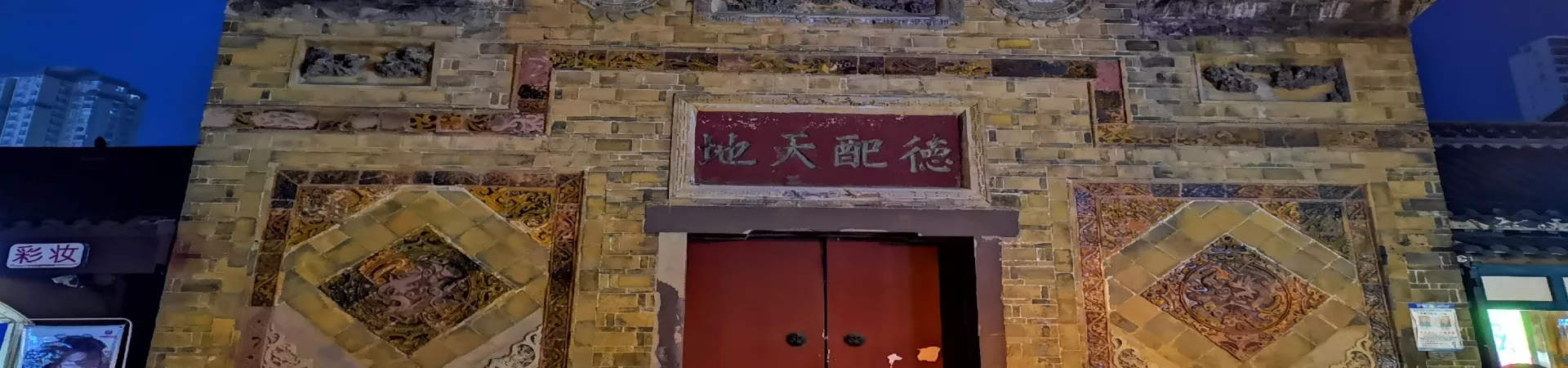
2.3. Flanking Structures: Harmony and Balance Balancing this central axis are elegant auxiliary structures that enhance the temple's harmony and function. These include the eastern and western Memorial Archways, inscribed with laudatory phrases like "Dao Guan Gu Jin" (The Way Surpasses Past and Present) and "De Pei Tian Di" (Virtue Matches Heaven and Earth). The East and West Wing Galleries (Wuwu) historically housed tablets of other Confucian scholars. Further complementing the complex are the East and West Imperial Stele Pavilions and Side Halls, which stored ritual objects and honored local luminaries. The northern terminus of the complex is a tranquil Rear Garden, providing a space for contemplation.
3. Practical Visitor Information
To facilitate a smooth and enriching visit, the following practical details are essential.
3.1. Admission and Operating Hours * Admission Fee: The temple offers free admission to all visitors. * Opening Hours: The temple is open from 9:00 AM to 5:30 PM, Tuesday through Sunday. It is generally closed to the public on Mondays, except during national statutory holidays. It is always advisable to confirm the latest schedule before planning your visit.
3.2. Planning Your Visit * Suggested Duration: Most visitors find that 1 to 2 hours is sufficient to appreciate the main halls, courtyards, and architectural details at a comfortable pace. Scholars or photography enthusiasts may wish to allocate more time. * Contact Information: For specific inquiries, you may contact the temple management at 0838-2201989.
4. Cultural Significance and the Visitor Experience
The Deyang Confucius Temple is far more than a collection of ancient buildings. Its significance lies in its embodiment of the Confucian values that shaped Chinese society for millennia—respect for knowledge, filial piety, social harmony, and ethical governance. Walking through its gates is to step into a space designed for reverence and intellectual pursuit.
The temple's scale and preservation allow one to vividly imagine the solemn state ceremonies and civil examinations that once took place here. The intricate woodwork, glazed tiles, stone carvings, and sweeping roofs are exemplary of Qing-era craftsmanship with local stylistic influences. The serene atmosphere in the courtyards and garden invites quiet reflection, offering a peaceful respite from the modern city.
As a cornerstone of cultural heritage in Western Sichuan, Deyang Confucius Temple serves as an invaluable educational resource and a powerful symbol of regional identity. It stands not only as a memorial to a great philosopher but also as a lasting monument to the community's historical commitment to scholarship and civic virtue. A visit here provides a deep, tangible connection to the philosophical foundations of Chinese civilization.