Zixi Mountain Forest Park
Subtitle: A Comprehensive Guide to Zixishan Forest Park, Chuxiong, China
1. Introduction to Zixishan Forest Park Nestled in the heart of Yunnan Province, approximately 20 kilometers southwest of Chuxiong City, lies Zixishan Forest Park, a sprawling sanctuary of natural beauty and cultural significance. Often referred to as the "Green Gem of Central Yunnan," this expansive park covers an area of over 160 square kilometers, with its core scenic zone encompassing about 16 square kilometers. It stands as a premier destination for travelers seeking a respite from urban clamor, offering a harmonious blend of pristine forests, unique geological formations, ancient religious sites, and rich biodiversity. The park's name, "Zixi," is steeped in local legend and history, adding a layer of mystique to its already captivating landscape. More than just a forest, it is a vital ecological lung and a cherished cultural landmark for the Yi people and all of Yunnan.
2. Natural Landscape and Ecological Features The park's primary allure lies in its breathtaking and well-preserved natural environment, characterized by dense vegetation, clear streams, and serene mountain vistas.
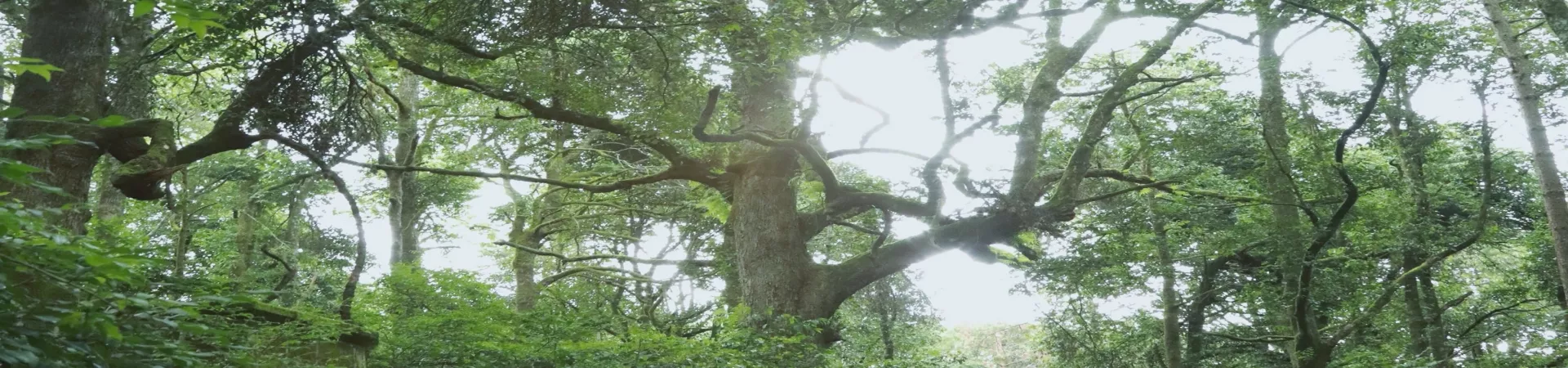
2.1. Forest Canopy and Flora Zixishan is renowned for its vast sea of trees, predominantly consisting of diverse pine and fir species. The forest canopy is dense and lush, creating a cool, shaded environment even during the peak of summer. The air is notably fresh, rich with oxygen and the subtle scent of pine. Throughout the year, the forest floor and clearings burst with color from various wildflowers, while in certain areas, visitors can find patches of wild azaleas and camellias. The changing seasons paint the mountains in different hues—vibrant green in spring and summer, golden and russet in autumn, and a quiet, solemn beauty in winter.
2.2. Geological Wonders: Zixi Rock A defining geological feature of the park is the colossal "Zixi Rock." This massive granite outcrop, weathered over millennia, presents a magnificent and imposing sight. Its surface is etched with intricate, natural patterns, and from certain angles, it is said to resemble a revered figure or a protective deity watching over the land. The rock is a popular subject for photography and serves as a powerful symbol of the park's enduring natural strength.
2.3. Water Features and Climate Several small, crystal-clear streams originate from within the forest, meandering through valleys and over rocks, creating soothing sounds that enhance the tranquil atmosphere. While large waterfalls are not a central feature, these gentle waterways are integral to the park's ecosystem. The climate within the park is markedly cooler and more pleasant than the surrounding lowlands, with an average annual temperature that makes it an ideal summer retreat.
3. Cultural and Historical Attractions Zixishan's history as a sacred site dates back over a thousand years, blending Taoist, Buddhist, and local Yi beliefs into a unique cultural tapestry.
3.1. Ancient Temples: Zixiyun Temple The most significant cultural site within the park is the Zixiyun Temple complex. Originally established during the late Tang or early Song Dynasty, the temple has been rebuilt and restored several times throughout history. It represents a fascinating fusion of architectural styles and religious influences. The temple grounds, set against the backdrop of ancient trees and towering rocks, exude an aura of profound peace and spirituality. Although not as colossal as some of China's more famous temples, its historical value and serene setting make it a deeply rewarding visit for those interested in history and contemplative spaces.
3.2. Legends and Local Culture The park is enveloped in local legends, most notably those connected to the "Zixi" name, which some associate with an ancient virtuous figure or a celestial being. These stories, passed down through generations of the local Yi community, enrich the visitor's experience, transforming a simple hike into a journey through living folklore. The respect for nature inherent in these stories aligns perfectly with the park's conservation ethos.
4. Recreational Activities and Visitor Information Zixishan Forest Park is designed for immersive exploration, offering various activities for different types of travelers.
4.1. Hiking and Exploration A network of well-maintained walking paths and stone steps crisscrosses the park, catering to both casual strollers and more enthusiastic hikers. Trails wind through the forest, leading to viewpoints, the Zixi Rock, and the temple complex. The most popular route takes visitors on a loop that covers the major natural and cultural sights, providing a comprehensive experience of the park's highlights. The sounds of birds and the rustling leaves provide a constant, natural soundtrack.
4.2. Birdwatching and Wildlife The park is a haven for bird enthusiasts, with numerous species making their home in the dense forests. With patience and a bit of luck, visitors might also spot squirrels and other small woodland creatures. The biodiversity here is a quiet testament to the health of the ecosystem.
4.3. Practical Information for Visitors To ensure a smooth and enjoyable visit, please note the following practical details: * Opening Hours: The park is open daily from 07:30 to 18:00 throughout the year. * Contact Information: For inquiries, you can reach the park at 0878-3121779. * Best Time to Visit: The park is accessible year-round. Spring (March-May) and autumn (September-November) offer the most comfortable temperatures and clear skies. Summer is perfect for escaping the heat, while winter has its own stark, quiet beauty. * Accessibility: The main paths are paved, but some inclines and steps can be challenging. Visitors with mobility concerns should plan their route accordingly. * Facilities: Basic visitor facilities are available at the entrance and near the temple area. It is advisable to bring water and snacks for longer walks.
A visit to Zixishan Forest Park is more than a day trip; it is an opportunity to immerse oneself in a landscape where nature's grandeur and human spirituality have coexisted for centuries. It invites quiet reflection, active exploration, and a deep appreciation for one of Yunnan's lesser-known but profoundly beautiful natural reserves.