Yi People's Ancient Town Fire Festival Ceremony
Subtitle: A Journey into the Heart of Yi Culture: The Torch Festival Ceremony at Chuxiong's Yi People Ancient Town
1. Introduction: The Eternal Flame of the Yi People
Nestled within the captivating landscape of China's Yunnan Province, the city of Chuxiong stands as the cultural and spiritual capital of the Yi ethnic group. Here, amidst the modern world, lies a portal to a vibrant and ancient tradition: the Yi People Ancient Town (Yiren Guzhen). While this meticulously crafted town offers a daily immersion into Yi architecture, handicrafts, and cuisine, it truly ignites with primal energy during the reenactment of its most sacred and spectacular ritual—the Torch Festival Ceremony, or Jihuo Dadian. This is not merely a performance for tourists; it is a powerful, living theater that invites every visitor to witness the soul of a people whose identity is eternally intertwined with the worship of fire. The ceremony transforms the ancient town into a stage where myth, history, and community celebration collide under the flickering light of countless torches.
2. The Myth and Significance: Why Fire?
2.1. A Legend Forged in Flames To understand the ceremony, one must delve into its legendary origins. The Yi people revere fire as the ultimate symbol of purity, vitality, protection, and prosperity. Ancient lore tells of a heroic struggle against a devastating plague of locusts and evil spirits that threatened the survival of the Yi ancestors. In their desperation, they discovered that blazing torches could drive the pests and malevolent forces away. Since that mythical victory, the act of lighting torches has evolved from a practical defense into a profound spiritual offering—a means to give thanks for the past year's blessings, to pray for good fortune in the coming one, and to ritually cleanse the community of misfortune.
2.2. More Than a Festival: A Cultural Pillar The Torch Festival, traditionally held around the 24th to 26th days of the sixth lunar month (usually late July or August), is the Yi equivalent of the Lunar New Year. It is a time for family reunions, courtship, and communal bonding. The Jihuo Dadian at Yi People Ancient Town distills the essence of this grand festival into a nightly, accessible, and deeply evocative ceremony. It serves as a crucial vessel for cultural transmission, ensuring that the stories, values, and artistic expressions of the Yi people are not only remembered but felt by new generations and international guests alike.
3. Experiencing the Ceremony: A Night of Sensory Immersion
3.1. The Prelude: Atmosphere and Anticipation As dusk settles over the town's cobblestone streets and traditional wooden buildings adorned with intricate carvings, an electric anticipation builds. The air, already scented with local spices from nearby restaurants, begins to carry the distinct aroma of pine resin and oil—the fuel for the coming flames. Participants and performers, dressed in stunning, authentic Yi costumes characterized by vibrant colors, elaborate silver headdresses, and embroidered capes, gather. The sound of pre-ceremony rituals, perhaps the tuning of ancient instruments like the Xianzi (a three-stringed lute) or the Hulusheng (a gourd mouth organ), sets the auditory stage.
3.2. The Ritual Unfolds: A Step-by-Step Spectacle The ceremony typically follows a powerful narrative arc, led by a Bimo (a Yi ritual priest or shaman) or an elder, who chants ancient scriptures to invoke ancestors and deities.
- 3.2.1. The Sacred Kindling: The core of the ceremony begins with the most sacred act: lighting the main torch. Using traditional methods such as friction or by carrying a flame from a designated sacred source, the elders ignite a central bonfire or a giant torch tower. This moment is met with reverent silence or collective cheers.
- 3.2.2. Dance of the Flames: This is the ceremony's dynamic heart. Male performers, embodying warrior spirits, engage in vigorous, leaping dances around the fire, brandishing torches to showcase strength and ward off evil. Female dancers, with graceful yet spirited movements, swirl in colorful ensembles, their long skirts flowing like rings of fire. The most breathtaking segment often involves skilled performers manipulating torches—spinning them, throwing them, even passing them across their bodies—creating mesmerizing patterns of light against the dark sky.
- 3.2.3. Community Participation: The boundary between performer and spectator dissolves. Visitors are frequently encouraged to join the final circles of dance or are given small, safe torches or lanterns to carry. The entire square becomes a sea of moving light, a physical manifestation of shared joy and the universal human attraction to the flame.
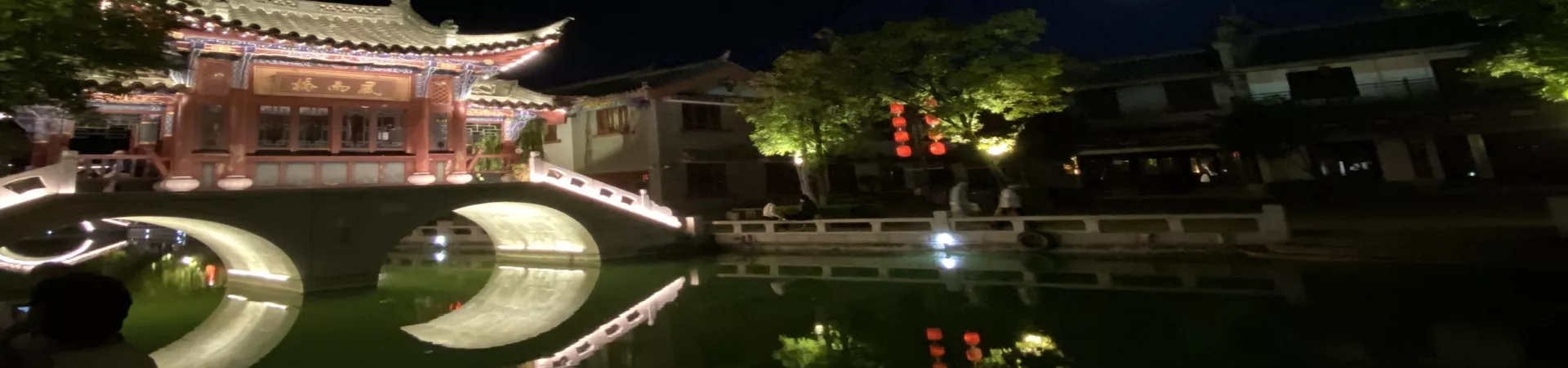
3.3. The Culmination: A Fiery Landscape The climax sees the lighting of numerous secondary torches around the square and sometimes throughout the town's waterways. The reflection of fire on water, combined with the silhouettes of traditional architecture and the ecstatic faces of the crowd, creates a breathtaking, almost otherworldly tableau. The roaring fire, the pulsating drums, the unified chanting, and the collective energy reach a peak that is both exhilarating and deeply moving.
4. Practical Information for Your Visit
To fully embrace this experience, a bit of planning is essential.
4.1. Timing Your Visit * Ceremony Schedule: The Jihuo Dadian is a nightly highlight at the Yi People Ancient Town. It is crucial to confirm the exact start time upon arrival, as it can vary slightly with seasons (typically between 8:00 PM and 9:00 PM). Arriving at least 30-45 minutes early is recommended to secure a good viewing spot. * Town Operating Hours: The Yi People Ancient Town itself is open to visitors daily from 8:30 AM to 9:30 PM. This allows ample time to explore its museums, shops, and cafes before the evening ceremony.
4.2. Tickets and Access * Admission: Entry to the Yi People Ancient Town requires a ticket. The standard gate price is RMB 20. The Torch Festival Ceremony is included in this general admission fee; there is no separate ticket for the performance. * Best Vantage Points: The ceremony usually takes place in the central square or a designated large courtyard. Viewing areas are generally open-standing. For photography, positions slightly elevated or on the edges of the main circle can offer less obstructed views of the group formations.
4.3. Tips for a Respectful and Enjoyable Experience * Cultural Respect: Remember this is a reenactment of a profound cultural and religious ritual. Observe quietly during solemn chanting segments, follow guides' instructions, and treat all ritual objects and performers with respect. * What to Wear: Comfortable shoes are a must. Evenings can be cool, so a light jacket is advisable. Avoid loose, highly flammable clothing when participating in the torch-lit sections. * Engage Beyond the Flame: Maximize your day by exploring the town's other offerings—sample Yi barbecue, learn about their unique solar calendar, or admire their stunning textile art. This broader context will make the ceremony's symbolism even more powerful.