Wujia Courtyard
Subtitle: A Journey Through Time: Unveiling the Secrets of the Wu Family Compound in Chuxiong
Introduction: The Fading Echoes of a Salt Empire
Nestled amidst the rolling green hills and clear waters of Chuxiong, Yunnan, lies a silent testament to a bygone era of prosperity. The landscape here whispers tales of the "Salt Capital," a title that has faded with time as the sea's influence receded. Yet, it is within this very act of retreat, this quiet seclusion from the modern world, that history has been remarkably preserved. The Wu Family Compound stands as the most eloquent relic of this past, a magnificent Qing Dynasty residential complex that has weathered centuries. Its survival offers visitors a rare, tangible connection to the architectural grandeur, social customs, and economic power of 19th-century China, hidden within the serene embrace of the surrounding nature.
1. Architectural Mastery: The "King" Character Design and Imperial Honors
1.1. A Layout of Power and Symbolism The most striking feature of the Wu Family Compound is its unique and profound architectural layout. The entire complex is meticulously designed in the shape of the Chinese character "王" (Wáng), meaning "king." This was no arbitrary design choice. It was a bold, non-verbal declaration of the family's status, ambition, and wealth. Walking through the compound, one literally traverses the strokes of this powerful symbol, moving through a sequence of interconnected courtyards, halls, and passageways that form the character's structure. This layout exemplifies the deep integration of philosophy, social aspiration, and architecture in traditional Chinese culture.
1.2. Imperial Recognition: The Emperor's Own Calligraphy The family's prestige was not merely self-proclaimed; it received the highest possible endorsement. Within the compound, visitors can find a precious treasure: a plaque inscribed with the personal calligraphy of the Daoguang Emperor, who reigned from 1820 to 1850. The presence of this imperial御书 (yùshū, imperial writing) was an extraordinary honor, typically bestowed upon families of significant national contribution or high official rank. This artifact instantly elevates the historical importance of the compound, transforming it from a wealthy merchant's home into a site of national historical significance, forever linked to the authority of the throne.
2. A Glimpse into Opulent Daily Life
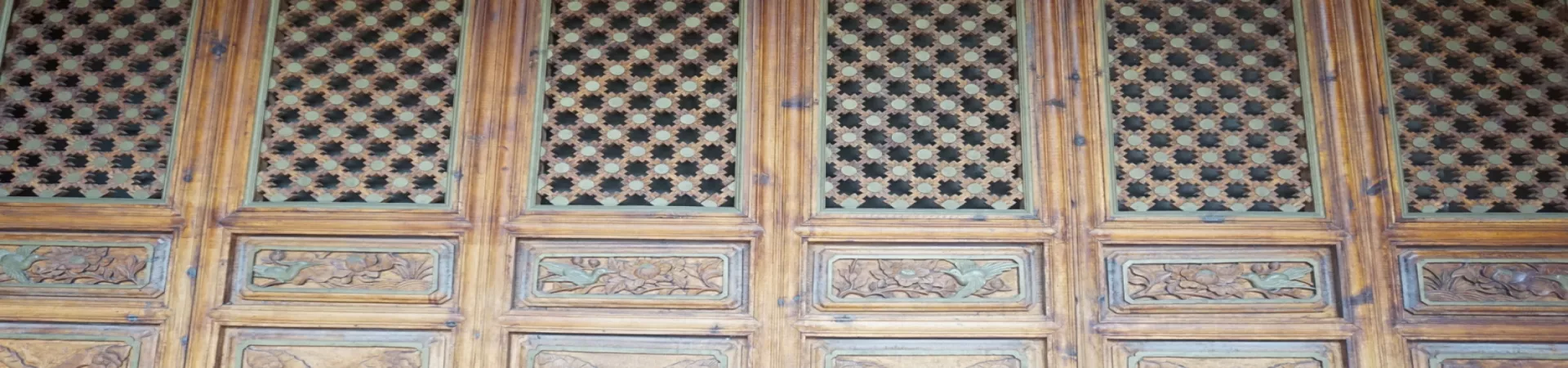
2.1. Artistry in Wood and Stone Every corner of the Wu Family Compound showcases the exquisite craftsmanship and aesthetic sensibilities of the Qing Dynasty. Intricately carved wooden lattices adorn windows and balconies, featuring motifs of flora, fauna, and mythical creatures, each symbolizing blessings of fortune, longevity, and happiness. Vibrant painted beams and murals, though perhaps dimmed by time, still hint at their original brilliance, depicting scenes from folklore, landscapes, and poetic ideals. Soaring eaves, elegant pavilions, and layered courtyards create a rhythmic play of light, shadow, and space. These elements are not mere decoration; they are a vivid narrative of the family's immense wealth and their commitment to cultivating a living environment of harmony, beauty, and cultural refinement.
2.2. The Courtyard: Heart of Family and Ritual The multiple courtyards served as the central hubs of daily life and ritual. The main courtyard, often the most spacious, was used for formal family gatherings, ceremonies, and receiving important guests. Smaller, more private courtyards offered secluded spaces for study, relaxation, and the daily lives of different branches of the family. The arrangement strictly followed Confucian principles of hierarchy and order, reflecting the family's internal structure and social values.
3. Living History: Performances and Controversial Traditions
3.1. The "Bridal Ball Toss" Performance The compound is not a static museum. To bring history to life, it hosts cultural performances, the most famous being a re-enactment of "Master Wu's Bridal Selection." This theatrical show depicts a traditional matchmaking scene where a prospective bridegroom is chosen. The performance builds to a lively climax with the throwing of an embroidered "bridal ball" (绣球, xiùqiú) into the audience.
3.2. An Interactive Experience with a Gendered Limitation According to the tradition being re-enacted, the individual who catches the ball is invited on stage to participate in a mock wedding ceremony. This interactive element can be a fun and memorable photo opportunity, offering a playful taste of historical custom. However, this practice has rightly drawn criticism for its gender-based restriction: only male audience members are permitted to catch the ball and participate. This rule, while perhaps intended to reflect historical accuracy, feels exclusionary to modern visitors and highlights the complex interplay between preserving tradition and accommodating contemporary values of inclusivity. It serves as a direct, if frustrating, window into the patriarchal norms of the society that built the compound.
4. Immersive Stays: From Manor House to Mountain Retreat
4.1. Sleeping Within History A unique opportunity afforded by the Wu Family Compound is the chance to spend a night within its ancient walls. Several rooms have been converted into guest accommodations, with standard doubles priced around 250 RMB per night. This allows for an unparalleled immersive experience. Imagine waking up in a centuries-old courtyard house, your morning quiet punctuated only by birdsong instead of city traffic. It is a chance to momentarily live the life of a bygone elite, to feel the scale of the architecture from the inside, and to sense the echoes of the past in a deeply personal way.
4.2. Alternative Sanctuary in the Ancient Town For those seeking a different vibe, the surrounding ancient town offers numerous quaint inns and guesthouses. Staying here allows you to extend your historical immersion beyond a single compound. You can fall asleep to the profound stillness of the mountains and wake up to explore cobbled lanes, local tea houses, and the gentle, slow-paced rhythm of town life. This option provides a broader context, framing the grandeur of the Wu Family Compound within the simpler, everyday history of the community it once dominated.
The Wu Family Compound is thus more than a collection of old buildings. It is a multi-layered historical document written in wood, stone, and tradition. It speaks of imperial favor and merchant wealth, of artistic beauty and rigid social codes. It invites contemplation, offers controversial interaction, and even provides a bed for the night. A visit here is a dialogue with the Qing Dynasty, set against the timeless, tranquil backdrop of Yunnan's landscapes.