Tusi Prefecture
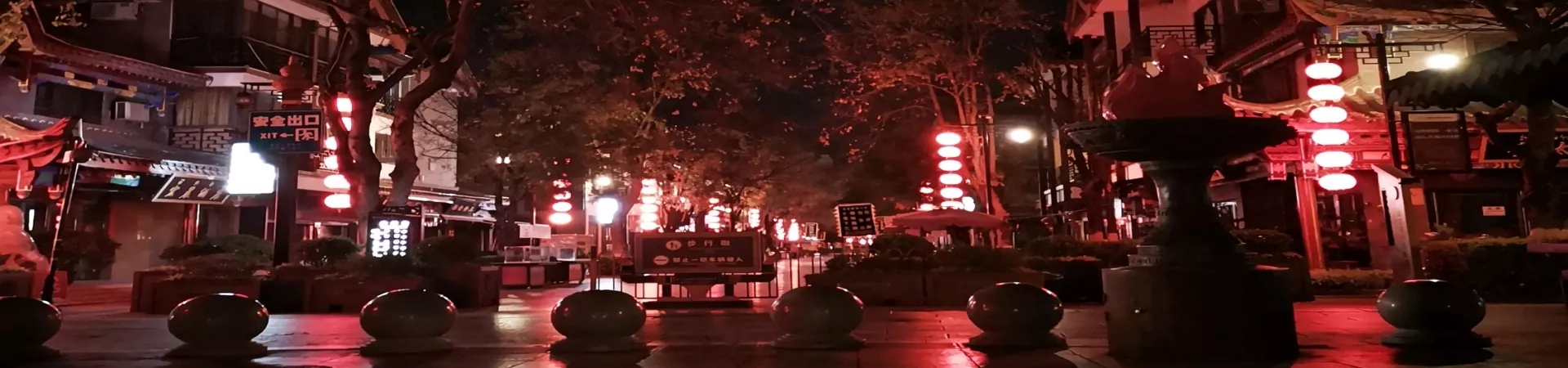
Subtitle: A Journey Through Time: Unveiling the Legacy of the Chuxiong Tusi Mansion
1. Introduction: The Enigmatic World of the Tusi
Nestled in the heart of Yunnan Province, the Chuxiong Tusi Mansion stands as a silent witness to a bygone era of Chinese history. The term "Tusi" refers to the hereditary chieftains or local rulers who governed ethnic minority regions in Southwest China under the imperial system, a practice that dates back to the Yuan Dynasty (1271–1368) and flourished through the Ming (1368–1644) and Qing (1644–1912) dynasties. This unique system allowed for a degree of autonomy while ensuring loyalty to the central empire, blending indigenous customs with imperial administration. The Chuxiong Tusi Mansion, once the seat of power for local rulers, offers a fascinating glimpse into this complex political and cultural landscape. Today, it serves not only as a historical monument but also as a cultural treasure trove, inviting visitors to explore the rich tapestry of Yunnan’s ethnic heritage and architectural splendor.
2. Historical Significance: The Rise and Fall of the Tusi System
2.1 Origins and Evolution
The Tusi system emerged as a pragmatic solution by Chinese emperors to manage remote, ethnically diverse regions like Yunnan. Instead of direct rule, the court appointed local chieftains as Tusi, granting them authority over their territories in exchange for tribute and military support. In Chuxiong, a strategic area along ancient trade routes, the Tusi played a crucial role in maintaining stability and fostering economic exchange. The mansion itself was constructed during the Ming Dynasty, reflecting the peak of Tusi influence, when these rulers amassed wealth and power through control over resources such as tea, horses, and minerals. Over centuries, the site evolved into a center of governance, culture, and diplomacy, bridging Han Chinese and ethnic Yi communities—the predominant group in Chuxiong.
2.2 Architectural and Cultural Fusion
The mansion’s design is a testament to the hybrid identity of the Tusi era. It combines traditional Han Chinese architectural elements, such as symmetrical layouts, curved roofs, and intricate wooden carvings, with local Yi influences seen in decorative motifs, courtyard arrangements, and use of natural materials like stone and timber. This fusion symbolizes the Tusi’s dual role: as representatives of imperial authority and custodians of ethnic traditions. Key structures within the complex include the main hall for administrative affairs, residential quarters for the Tusi family, ancestral temples for worship, and gardens that served as spaces for leisure and contemplation. Each building tells a story of cultural exchange, from the ornate beams adorned with mythical creatures to the courtyards that hosted vibrant festivals and rituals.
2.3 Decline and Preservation
By the late Qing Dynasty, the Tusi system began to wane as the central government sought greater control, leading to the "Gaitu Guiliu" policy that replaced hereditary rulers with state-appointed officials. Many Tusi mansions fell into disrepair or were repurposed, but the Chuxiong site survived due to its historical value and community efforts. In recent decades, restoration projects have revived its grandeur, highlighting its role in China’s ethnic history. Today, the mansion is protected as a cultural relic, offering insights into a system that shaped Yunnan’s social fabric for over 600 years.
3. Visitor Experience: Exploring the Mansion Grounds
3.1 Layout and Key Attractions
Upon entering the mansion, visitors are greeted by a sprawling complex that spans several acres, divided into distinct sections for public, private, and ceremonial use. The journey typically begins at the outer gate, a imposing structure marked by traditional dougong brackets and stone lions, leading to a series of interconnected courtyards. In the main hall, exhibits display artifacts like Tusi seals, ceremonial garments, and ancient documents, illustrating daily life and governance. The residential quarters, with their cozy rooms and antique furniture, provide a glimpse into the domestic sphere, while the ancestral temple showcases altars and inscriptions dedicated to forebears. Don’t miss the gardens, where winding paths, ponds, and pavilions create a serene escape, echoing the Tusi’s appreciation for nature and harmony.
3.2 Cultural and Educational Highlights
The mansion is more than just an architectural marvel; it’s a living museum of ethnic culture. Interactive displays and guided tours delve into Yi traditions, such as the Torch Festival, embroidery arts, and oral histories. Visitors can learn about the Tusi’s judicial practices, economic policies, and their role in mediating between locals and the imperial court. Seasonal events, like reenactments of Tusi ceremonies or folk music performances, bring history to life, making it an engaging experience for all ages. For those interested in deeper research, the site archives house rare manuscripts and maps, though access may require prior arrangement.
3.3 Practical Information for Visitors
To fully appreciate the mansion, plan for a visit lasting 2–3 hours. The site is open daily from 8:00 AM to 5:00 PM, with last admissions at 4:30 PM. It’s advisable to arrive early to avoid crowds, especially during weekends and holidays. Comfortable walking shoes are recommended, as the terrain includes stone steps and uneven pathways. English signage is available, but hiring a local guide can enrich the experience with anecdotes and historical context. The mansion is accessible by public transport from Chuxiong city center, with parking available for those driving. Note that photography is permitted in most areas, but flash may be restricted in artifact zones.
4. Broader Context: Chuxiong and Yunnan’s Ethnic Tapestry
4.1 Chuxiong as a Cultural Hub
Beyond the Tusi Mansion, Chuxiong is renowned as a gateway to Yi culture in Yunnan. The city hosts the annual Yi Torch Festival, a vibrant celebration of fire-worship and community unity, which traces its roots to Tusi-era traditions. Nearby attractions include the Zixishan Mountain for hiking, ancient towns like Lufeng with dinosaur fossils, and other historical sites related to the Tea Horse Road. The mansion fits into this broader narrative, highlighting how local rulers influenced regional development and intercultural dialogue.
4.2 The Tusi Legacy in Modern China
The Tusi system’s legacy endures in contemporary discussions on ethnic autonomy and cultural preservation. In 2015, UNESCO recognized several Tusi sites in China as World Heritage, underscoring their global significance. The Chuxiong Tusi Mansion contributes to this heritage by showcasing the adaptability and resilience of ethnic communities. For visitors, it offers a chance to reflect on China’s diverse history, moving beyond mainstream narratives to explore stories of integration and identity. As tourism in Yunnan grows, sites like this remind us of the importance of safeguarding cultural landmarks for future generations.
In essence, the Chuxiong Tusi Mansion is a microcosm of history, where architecture, politics, and culture converge. Its open hours from 8:00 AM to 5:00 PM invite explorers to step into a world of ancient rulers, where every corner whispers tales of power, tradition, and transformation. Whether you’re a history enthusiast, a cultural traveler, or simply curious about Yunnan’s past, this destination promises an immersive journey into the heart of China’s ethnic heritage.