Da Long Temple
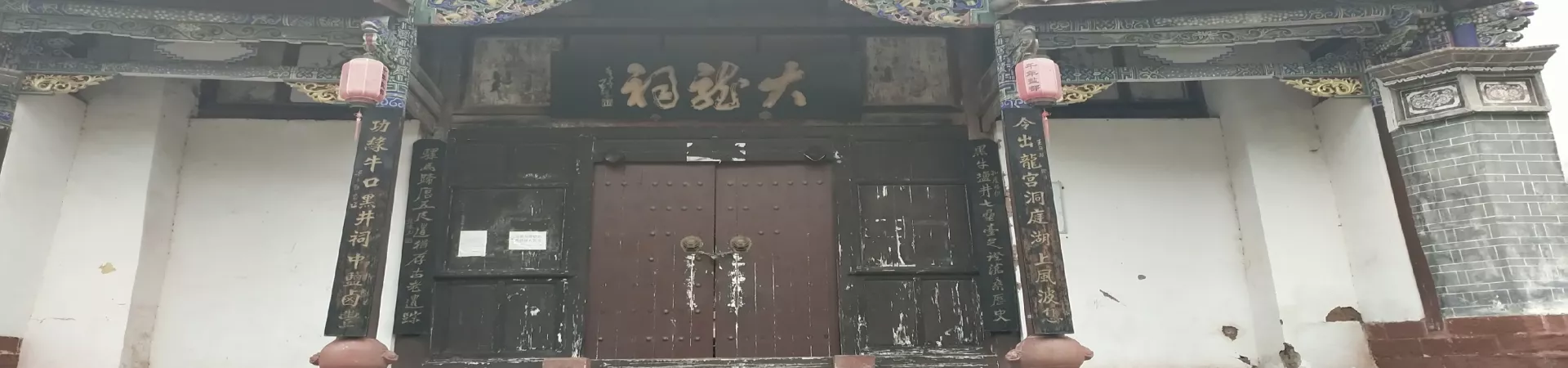
Subtitle: A Journey Through Time: Unveiling the Architectural and Historical Tapestry of Dalong Temple in Heijing
1. Introduction: A Portal to Heijing's Past Nestled within the ancient salt town of Heijing, in Chuxiong Prefecture, Yunnan Province, the Dalong Temple (大龙祠) stands as a silent yet eloquent narrator of centuries gone by. More than just a religious site, it is a cultural archive, a testament to craftsmanship, and a pivotal landmark that encapsulates the economic and social history of this once-prosperous region. For the discerning visitor, a trip to Heijing is incomplete without delving into the layered story told by the temple's architecture, artifacts, and very atmosphere.
2. Architectural Evolution: From Ming Foundations to Qing Refinements 2.1. Origins and Reconstruction The temple's origins trace back to the Ming Dynasty (1368-1644), a period when Heijing began to flourish as a vital center for salt production. However, the physical structure that greets visitors today is primarily a legacy of the subsequent Qing Dynasty (1644-1912). The temple underwent significant reconstruction during this era, reflecting the continued importance and wealth generated by the local salt industry. The architectural style, layout, and core components visible now are quintessential Qing, offering a pristine example of traditional Chinese temple architecture from that period.
2.2. Modern Restoration and Authentic Details In 2008, as Heijing gained recognition as a preserved historical town attracting growing numbers of tourists, the local government initiated a careful restoration project. This work focused on stabilizing the structure, rebuilding collapsed sections of the courtyard, and revitalizing the temple's vibrant color scheme. While this restoration lends the temple a well-maintained and fresh appearance, a closer inspection reveals its profound historical authenticity. The intricate carvings adorning the beams, brackets, and railings—featuring motifs of flora, fauna, and mythical creatures—display a level of detail and patience that is unmistakably pre-modern. These exquisite designs, untouched by mass-production techniques, stand as a quiet rebuke to the haste of the contemporary world, inviting visitors to slow down and appreciate the artisanry of a bygone era.
3. Imperial Endorsement: The Hall of Literary Honor 3.1. The "Lingyuan Puze" Plaque One of the temple's most celebrated historical artifacts is a wooden plaque inscribed with four large characters: "灵源普泽" (Língyuán Pǔzé). This phrase, which can be interpreted as "The Divine Source Widely Bestows Its Benevolence," carries the weight of imperial authority. Historical records and local lore assert that it was personally inscribed by the Yongzheng Emperor (r. 1722-1735) of the Qing Dynasty. The presence of this plaque was not merely an honor; it was a powerful symbol of the state's recognition and control over Heijing's salt production, which was a crucial source of revenue and a strategically controlled commodity. The plaque signifies the temple's role as a spiritual and administrative nexus in the local salt monopoly.
3.2. The Ancient Performance Stage Beneath this hallowed plaque lies another architectural feature of great interest: an ancient performance stage. This stage underscores the temple's function as a community hub. It was here, likely during festivals and important ceremonies, that operas and other cultural performances were held for the public, blending religious reverence with social entertainment and community cohesion. The stage's enduring structure offers a tangible connection to the vibrant public life that once animated this space.
4. The Heijing Salt Museum: Preserving the Legacy of "Pot Salt" 4.1. A Dedicated Exhibition Space Within the compound of Dalong Temple, a dedicated exhibition hall has been established, transforming part of the historic site into a compact yet informative museum. This space is essential for understanding the context in which the temple existed. It meticulously documents the history of Heijing, from its rise as a salt-producing powerhouse to its gradual decline in the modern era.
4.2. Tools of the Trade The museum's collection focuses on the tangible tools of the salt industry. Visitors can examine various implements used by generations of workers in the arduous processes of brine extraction, evaporation, and salt cake formation. These artifacts, ranging from simple tools to more complex equipment, provide a stark, physical reminder of the labor-intensive industry that built and sustained Heijing.
4.3. The Distinctive "Guo Yan" (Pot Salt) A central theme of the exhibition is Heijing's unique final product: "锅盐" (Guō Yán), or "Pot Salt." Due to Heijing's remote, mountainous location, transporting loose salt was inefficient and problematic. To solve this, the salt was ingeniously molded into large, solid, basin-like cakes resembling inverted cooking pots or woks. This distinctive shape, often weighing several kilograms, made the salt robust for transport by horse or mule caravans along treacherous mountain trails to markets across Yunnan and beyond. The "pot salt" became the trademark of Heijing, and its story is vividly told through displays and explanations in the museum, directly linking the temple's spiritual and administrative significance to the gritty economic reality of the town's primary trade.
In conclusion, the Dalong Temple is not a static monument but a multi-faceted historical document. It weaves together threads of imperial power, communal worship, exceptional craftsmanship, and industrial history. A visit here allows one to walk through Qing-dynasty architecture, sense the echo of imperial endorsement, visualize lively performances on the old stage, and finally, comprehend the very source of Heijing's fortune—the precious salt—through the insightful exhibits housed within its walls. It is a comprehensive and deeply resonant starting point for exploring the soul of the ancient salt town of Heijing.