Chuxiong Yi Autonomous Prefecture Museum
Subtitle: A Journey Through Time and Culture in the Heart of Yunnan
Nestled in the vibrant city of Chuxiong, the capital of the Chuxiong Yi Autonomous Prefecture in Yunnan Province, the Chuxiong Yi Autonomous Prefecture Museum stands as a monumental gateway to understanding one of China's most fascinating ethnic groups and the rich tapestry of the region's history. Far more than a simple repository of artifacts, this modern institution is a dynamic cultural center designed to immerse visitors in the spirit, history, and artistic brilliance of the Yi people and the diverse communities that have shaped this corner of southwestern China. Its architecture itself is a statement, often incorporating design elements inspired by Yi symbolism, setting the stage for an enlightening exploration within.
I. Architectural Welcome and Visitor Essentials
Before delving into the past, the museum facilitates a seamless present-day visit. Housed in a building that thoughtfully blends contemporary museum design with subtle nods to Yi aesthetic principles, the institution is both an architectural landmark and a functional space for learning and discovery.
- Practical Information for Planning Your Visit:
- Location: The museum is situated in Chuxiong City, the administrative and cultural heart of the prefecture. It is typically a central and accessible landmark, easily reachable by taxi or public transportation.
- Operating Hours: The museum is open daily from 9:00 AM to 5:00 PM. The last admission is at 4:30 PM, allowing visitors a minimum of 30 minutes to explore before closing. It is advisable to allocate at least 2 to 3 hours for a comprehensive visit.
- Contact: For the most current information regarding special exhibitions, events, or group visits, you can contact the museum at +86 878 3127463.
II. The Permanent Exhibition Galleries: A Thematic Journey
The core of the museum experience lies in its meticulously curated permanent exhibitions. These galleries are organized thematically, guiding visitors on a chronological and cultural journey that spans from prehistoric times to the vibrant present.
Prehistoric Chuxiong and the Dawn of Civilization This section transports visitors back to the very origins of human activity in the region. It showcases fossil remains, ancient stone tools, and geological specimens that tell the story of early habitation. A highlight often includes exhibits related to the Yuanmou Man, one of the earliest known hominins in China, whose discovery in the nearby Yuanmou Basin provides a profound connection to the deep history of not just Yunnan, but all of East Asia. This gallery sets the stage, illustrating the ancient environmental context that later cultures would inherit.
The Bronze Culture of the Ancient Dian Kingdom Moving forward in time, the museum delves into the sophisticated Bronze Age civilization that flourished around the Dian Lake area, which influenced much of central Yunnan. This gallery is frequently a visitor favorite, featuring an impressive collection of bronze artifacts.
- Iconic Artifacts: The display includes intricately cast bronze drums, used in rituals and as symbols of power and status. These drums are adorned with detailed scenes of daily life, warfare, and ceremonies, serving as priceless historical documents.
- Weapons and Ornaments: Exquisitely crafted bronze weaponry, such as swords and spearheads, often inlaid with turquoise or gold, demonstrate advanced metallurgical skills. Personal adornments like buckles, plaques, and cowrie-shell containers reveal the aesthetic sensibilities and social hierarchy of the Dian people.
- Historical Context: Interpretive panels and maps explain the Kingdom's trade connections, societal structure, and its eventual integration into the broader Han Chinese civilization, providing crucial context for the artifacts.
The Soul of the Museum: Yi Ethnic Culture and Heritage This expansive and vibrant section forms the heart of the museum, dedicated to celebrating and explaining the culture of the Yi, the predominant ethnic group in the prefecture. It is a multi-sensory exploration of their world.
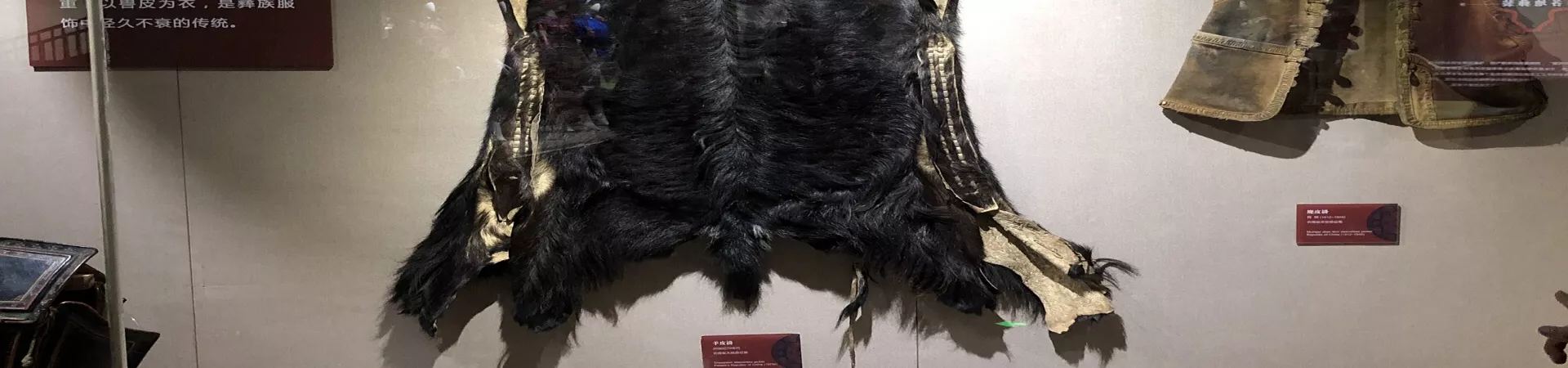
- Traditional Costumes and Textiles: A stunning display of Yi clothing from various sub-groups showcases extraordinary embroidery, silver jewelry, and distinctive headdresses. The vibrant colors, intricate patterns, and symbolic motifs (representing elements like fire, tigers, and flowers) are explained, revealing a complex language of identity, age, and social status woven into fabric.
- Religious Beliefs and the Bimo Culture: This subsection introduces the unique spiritual world of the Yi, centered on animism and ancestor worship. It highlights the role of the Bimo, the Yi priest-scholar, who is the guardian of Yi scripture, history, and ritual knowledge. Exhibits may include sacred texts written in the ancient Yi script, ritual implements, and explanations of major festivals like the Torch Festival, a spectacular event symbolizing the expulsion of evil and the prayer for a good harvest.
- Daily Life and Folk Arts: Dioramas and collections of everyday objects—from agricultural tools and wooden utensils to musical instruments like the Moon Guitar (Yueqin) and the Hulusheng (a gourd-shaped wind instrument)—paint a vivid picture of traditional Yi life. The section emphasizes the deep connection between the Yi people and their natural environment.
Chuxiong in the Imperial and Modern Eras The final historical galleries trace the region's integration into successive Chinese dynasties and its development through the modern period. Exhibits cover the Tea-Horse Road trade, which passed through the area, bringing cultural and economic exchange. Artifacts, documents, and photographs illustrate the social and political transformations of the 19th and 20th centuries, leading up to the establishment of the Chuxiong Yi Autonomous Prefecture, contextualizing the contemporary cultural landscape.
III. Dynamic Spaces: Special Exhibitions and Cultural Engagement
Beyond its permanent collections, the Chuxiong Museum serves as a living cultural hub. It typically features temporary exhibition halls that host rotating displays on specific themes, such as contemporary Yi art, calligraphy, photography, or cultural topics from other Chinese ethnic groups. Furthermore, the museum often includes an auditorium or activity spaces where cultural performances, academic lectures, documentary screenings, or hands-on workshops (like embroidery or craft-making) are held. These dynamic offerings ensure that each visit can offer a new perspective and a deeper, more interactive connection to the culture.
IV. Conclusion of the Visit: The Museum Shop and Lasting Impressions
As visitors conclude their journey through the galleries, the museum shop provides an opportunity to take a piece of this rich culture home. It offers a curated selection of quality souvenirs, including books on Yi history and art, reproductions of jewelry and textiles, local handicrafts, and recordings of traditional music. A visit to the Chuxiong Yi Autonomous Prefecture Museum ultimately leaves one with a profound appreciation for the historical depth and cultural vitality of this region. It is not merely an observation of static displays but an engaging narrative experience that honors the past while illuminating the living, evolving traditions of the Yi people and their neighbors. It stands as an essential destination for anyone seeking to move beyond Yunnan's famous landscapes and understand the human spirit that has shaped them for millennia.