Three Gorges Museum
A Comprehensive Guide to the Chongqing China Three Gorges Museum
Nestled against the natural topography, the Chongqing China Three Gorges Museum forms a harmonious architectural trinity with the People's Square and the Great Hall of the People. This strategic placement offers visitors not only a journey through history and culture but also an impressive vista of one of Chongqing's most iconic modern landmarks. The museum serves as a premier cultural institution, safeguarding a vast and significant collection of historical artifacts, including exquisite porcelains from various dynasties, classical Chinese paintings and calligraphy, ancient coins, and other precious relics that narrate the rich tapestry of China's past.
Visitor Information at a Glance * Opening Hours: 9:00 AM - 5:00 PM, Tuesday through Sunday (last admission at 4:30 PM). The museum is closed on Mondays, except for national holidays. * Admission: Free. However, a valid ticket (obtainable via ID registration at the entrance) is required for entry. * Recommended Visit Duration: 1 to 3 hours. * Contact: +86 23 63679066 * Last Updated: July 2023
Planning Your Visit: Transportation & Services
Getting There * By Metro: The most convenient option is to take Metro Line 10 and alight at the "Great Hall of the People" station. From Exit 4, it is approximately an 8-minute walk to the museum. * By Bus: Multiple bus routes serve the area. You can take bus numbers 145, 152, 181, 262, 322, or 829 and get off at the "Xuetianwan" bus stop. The museum is about a 400-meter walk from there.
On-Site Amenities * Baggage Storage: A complimentary baggage storage service is available near the main entrance on the first floor. * Guided Tours: The museum provides free guided讲解 tours for visitors. These are often scheduled based on daily visitor flow. It is advisable to inquire about the tour schedule at the information desk upon arrival.
Exploring the Museum's Layout and Exhibitions
The museum's exhibitions are thoughtfully distributed across four floors, offering a structured and immersive exploration. The experience begins with a technological marvel: a captivating 360-degree环幕电影 documentary that sets the stage, especially for the natural and historical wonders to come.
The core of the museum is built around four fundamental permanent exhibitions, each dedicated to a pivotal theme in the region's story.
The Four Foundational Exhibitions
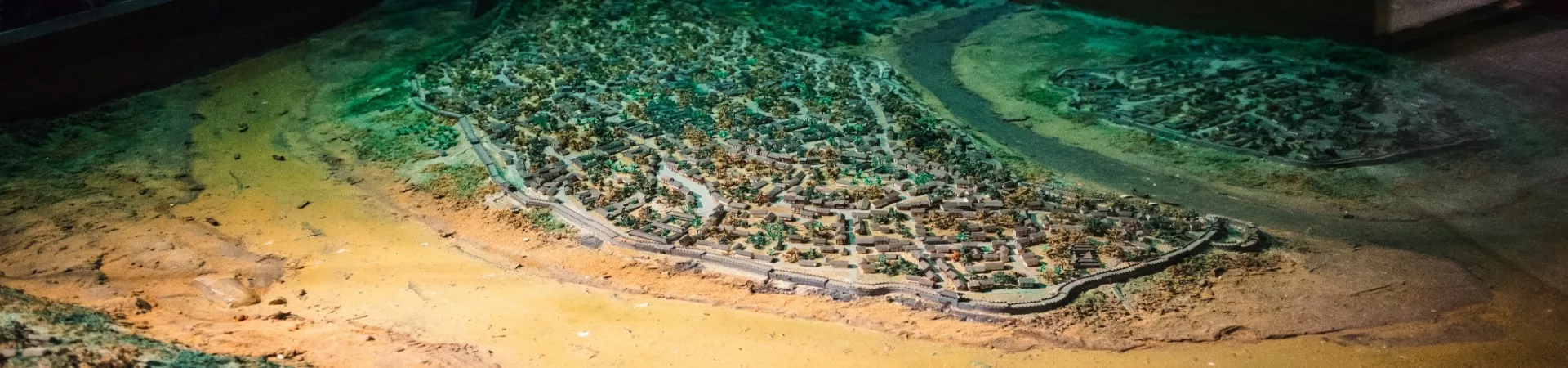
1. The Magnificent Three Gorges This is the museum's cornerstone exhibition. It is dedicated to preserving the memory and ecology of the Three Gorges area prior to the construction of the monumental dam. The hall houses an extensive collection of实物 artifacts salvaged from the reservoir area, including geological samples, archaeological finds, and cultural relics from submerged towns. Through detailed models, photographs, and genuine artifacts, it offers a poignant and真实再现 realistic recreation of the original landscape, villages, and way of life along the legendary Yangtze River gorges.
2. Ancient Ba-Yu Delving deep into prehistory, this exhibition traces the origins of civilization in the Chongqing region, historically known as part of the Ba and Yu states. It showcases archaeological discoveries from the Paleolithic Age through the Bronze Age, including ancient tools, pottery, and ritual vessels. The exhibition illuminates the unique cultural characteristics, beliefs, and social structures of the ancient Ba people, who laid the early foundations for settlement in this mountainous terrain.
3. Chongqing: The Urban Path This exhibition charts the remarkable transformation of Chongqing from a regional port city into a major wartime capital and subsequently into the vast modern municipality it is today. It explores urban development, economic shifts, and social changes through historical documents, maps, photographs, and everyday objects from different eras, telling the story of the city's resilience and adaptive spirit.
4. The Years of the War of Resistance Given Chongqing's critical role as the provisional capital of China during the Second Sino-Japanese War (World War II), this exhibition is of profound historical importance. It presents a solemn and detailed account of the wartime period, featuring historical records, personal belongings of soldiers and civilians, propaganda materials, and multimedia displays that convey the hardships, resilience, and unity of the Chinese people during those tumultuous years.
Complementary Thematic Displays In addition to the main exhibitions, the museum frequently hosts six or more rotating专题陈列 thematic displays. These specialized exhibitions often focus on specific aspects of the museum's collection, such as fine arts, ceramics, numismatics, or minority cultures, providing visitors with deeper insights into particular areas of Chinese heritage.