Sichuan Academy of Fine Arts (Huangjueping Campus)
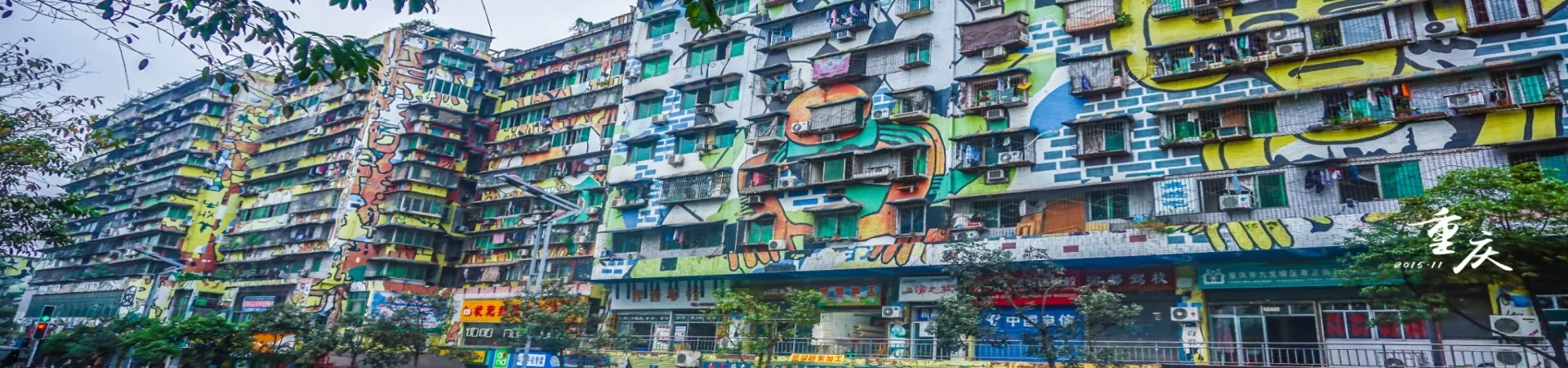
A Visitor's Guide to the Old Campus of Sichuan Fine Arts Institute (Huangjueping)
Nestled in the Jiulongpo District of Chongqing, the Huangjueping campus of the Sichuan Fine Arts Institute (SFAI) stands as a testament to raw creativity and transformative urban art. Often described as a more intimate, grittier counterpart to Beijing's famed 798 Art District, this campus isn't just an educational institution; it's a living, breathing art ecosystem. For any visitor to Chongqing with an interest in contemporary Chinese art, underground culture, or simply unique urban landscapes, SFAI's old campus offers an unparalleled and immersive experience.
The Campus: A Crucible of Creativity
Walking through the gates of SFAI's Huangjueping campus, you immediately sense a departure from the ordinary. The air hums with creative energy. Unlike sprawling, manicured university grounds, this campus feels organically grown, with its industrial-era buildings repurposed as studios, galleries, and workshops. The atmosphere is decidedly bohemian, where every corner, wall, and alleyway seems to hold a potential surprise—a striking sculpture, an intriguing installation, or a glimpse of students passionately at work.
This environment has cultivated some of China's most influential contemporary artists, making the campus itself a pilgrimage site for understanding the roots of movements like Sichuan's "Rough Painting" and contemporary cynical realism. It’s a place where art is not confined to galleries but is an integral part of the daily fabric.
Must-Visit Artistic Hubs Within the Campus
While the entire campus is explorable, two venues stand out as essential stops.
The Chongqing Art Museum Located within the campus grounds, this museum is far more than a university gallery. It hosts a dynamic rotation of exhibitions ranging from seminal retrospectives of SFAI's esteemed alumni to cutting-edge group shows featuring the latest trends in Chinese and international art. The curation is often bold and thought-provoking, providing a serious look into the academic and professional art world that SFAI helps shape.
The Tank Loft Art Center Perhaps the most iconic symbol of the campus's adaptive reuse philosophy is the Tank Loft. Originally a military warehouse complex, its vast, raw industrial spaces have been transformed into one of Chongqing's premier centers for contemporary art. It houses artist studios, independent galleries, design firms, and coffee shops. The center regularly hosts groundbreaking exhibitions, experimental performances, and cultural festivals. Wandering through its cavernous halls, where the scent of oil paint mingles with the echo of concrete, is an experience that captures the defiant, innovative spirit of Huangjueping.
The Huangjueping涂鸦街: An Urban Canvas Beyond the Gates
The artistic eruption of SFAI does not stop at its campus walls. It spills out spectacularly into the surrounding neighborhood, most famously onto Huangjueping涂鸦街 (Tuya Street), or "Graffiti Street." This is not a small alley with a few spray-painted walls; it is one of the largest and most coordinated public art projects of its kind in the world.
Initiated as a collaboration between the institute and the local government, the project radically transformed over 1.25 kilometers of the urban environment. It involved the creative涂鸦 of 37 building facades, the renovation of 2,700 square meters of structures, the installation of 20 sculptural pieces, and significant infrastructure upgrades. The result is a breathtaking, kaleidoscopic streetscape where every surface—residential apartments, shops, schools—becomes part of a giant, continuous artwork.
The styles on display are wildly diverse, ranging from abstract splashes of color and cartoonish figures to social commentary and traditional Chinese motifs reimagined. The street is in a constant state of subtle change, with new additions appearing over time. It serves as a powerful, open-air gallery that democratizes art, seamlessly blending it with the daily life of the community and offering visitors an unforgettable visual feast.
Practical Information for Your Visit
Suggested Duration: Plan to spend between 2 to 4 hours to fully appreciate the campus galleries, the Tank Loft, and to wander the length of涂鸦街 at a leisurely pace. Photography enthusiasts may wish to allocate more time.
Transportation: The most straightforward way to reach the campus is by public bus. Take bus routes 223, 233, or 441 and alight at the Huangjueping Bus Station. From there, the main campus entrance and the start of涂鸦街 are within a 5-minute walk (approximately 300 meters). The area is also accessible by taxi or ride-hailing apps.
Admission: Access to the Sichuan Fine Arts Institute campus, the涂鸦街, and the general areas of the Tank Loft is completely free of charge. Some special exhibitions within the Chongqing Art Museum or specific galleries in the Tank Loft may occasionally have a separate ticket fee, but this is not the norm.
Opening Hours: The outdoor areas, including the campus grounds and the entirety of涂鸦街, are accessible 24 hours a day. The indoor facilities, such as the Chongqing Art Museum and most galleries/shops within the Tank Loft, typically operate between 9:00 AM and 5:00 PM. It is always advisable to check for any specific changes to opening hours for your intended date of visit.
Visitor Tips: Wear comfortable shoes for walking. The area is full of textures, details, and hidden gems best discovered on foot. Mornings and weekdays are generally less crowded. The neighborhood around the campus is also known for its authentic local eateries and quirky cafes, perfect for a break. As always, for the most current details on exhibition schedules or special events, verifying information directly with the venues is recommended prior to your visit.