The Dazu Rock Carvings
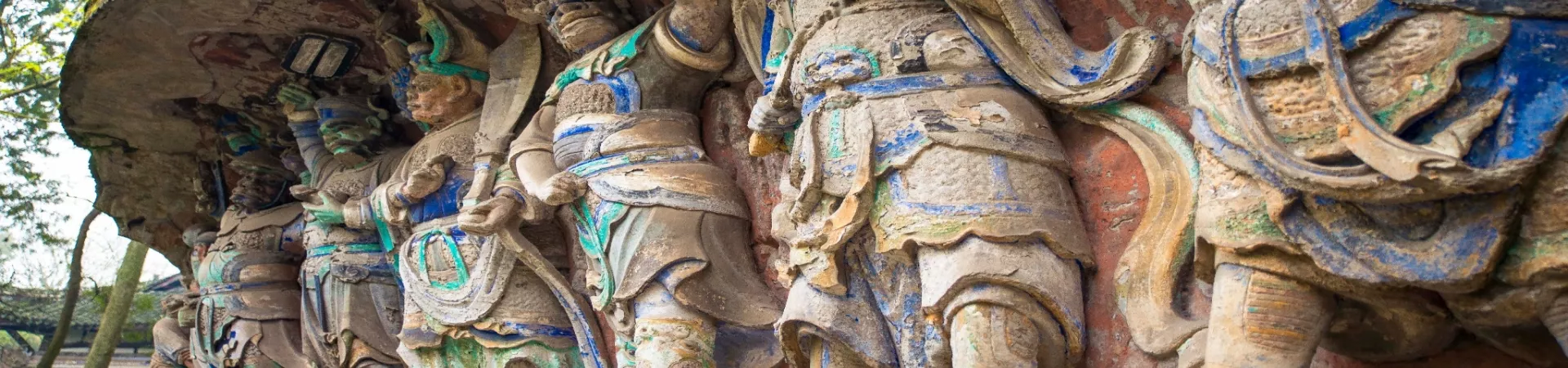
Subtitle: A Comprehensive Visitor's Guide to the Dazu Rock Carvings, Chongqing
1. Introduction and Overview
The Dazu Rock Carvings represent a pinnacle of Chinese grotto art and are a UNESCO World Heritage Site, renowned for their exceptional aesthetic quality, rich thematic diversity, and secular approach to Buddhist teachings. Located in Dazu District, approximately 80 kilometers west of central Chongqing, this extensive site is not a single location but a collective term for a series of grotto complexes carved into hillsides across the region. The most significant and frequently visited among these are the Baodingshan (Treasure Peak Mountain) and Beishan (North Mountain) carvings, with other important clusters including Nanshan (South Mountain), Shizhuanshan (Stone Seal Mountain), and Shimenshan (Stone Gate Mountain). While the term "Dazu Rock Carvings" encompasses all five, the spectacular and narratively cohesive sculptures of Baodingshan are often what visitors primarily associate with the name. These carvings, dating primarily from the 9th to the 13th centuries during the Tang and Song dynasties, are celebrated for their breathtaking artistry, vibrant polychrome paint that has survived centuries, and their profound philosophical depth expressed through stone.
2. Artistic and Cultural Significance
2.1. Unparalleled Artistic Mastery The Dazu Rock Carvings are a breathtaking testament to the skill of ancient Chinese artisans. Unlike many other grotto sites, the sculptures here are notable for their exceptional preservation of original pigment, making them "colorful" and astonishingly lifelike. The figures are not merely static icons; they are imbued with vivid emotion and dynamic movement. The level of detail is extraordinary, extending from the serene or expressive faces of Buddhas and deities down to the intricate folds of their garments and the delicate rendering of flowing sashes and tassels, which are carved with such fluidity that they appear to flutter in the wind. This artistic achievement transforms stone into a medium of compelling narrative and spiritual expression.
2.2. Narrative and Philosophical Depth Primarily Buddhist in theme, the carvings serve as a vast, open-air scripture. Each cluster of statues, each tableau, tells a specific story from Buddhist lore, conveys a moral principle, or illustrates the consequences of karma. The Baodingshan complex, in particular, is masterfully planned as a didactic whole. Its major scenes, such as the Parinirvana of Sakyamuni (the Reclining Buddha) and the intricate depictions of the Ten Courts of Hell, are designed to guide pilgrims through a visual journey of enlightenment, ethical teachings, and spiritual warning. The integration of Buddhist, Confucian, and Taoist elements in some areas also reflects the harmonious philosophical syncretism of the period, offering insights into the spiritual life of medieval China.
3. Practical Visitor Information
3.1. Tickets and Pricing The Dazu Rock Carvings operate with a ticketing system for its main sites. Prices vary by season and site combination. It is crucial to note that Baodingshan and Beishan require separate tickets or a joint ticket.
- Peak Season (March 1 - November 30):
- Baodingshan Carvings: Full price 115 RMB / Concession 55 RMB.
- Beishan Carvings: Full price 70 RMB / Concession 35 RMB.
- Baodingshan & Beishan Joint Ticket: Full price 140 RMB / Concession 70 RMB.
- Off-Peak Season (December 1 - February 28/29):
- Baodingshan Scenic Area (includes carvings, museum, and Shengshou Temple): Full price 100 RMB / Concession 50 RMB.
- Beishan Carvings (including night tour option): Full price 50 RMB / Concession 25 RMB.
- Joint Ticket: Full price 120 RMB / Concession 60 RMB.
3.2. Concession and Free Admission Policies A detailed concession policy is in place. Free admission is granted to various groups, including but not limited to: * Children under 6 (or height under 1.2m) accompanied by an adult. * Seniors aged 65 and over (with ID). * Active-duty military personnel, disabled veterans, and martyrs' families (with valid certificates). * Individuals with disabilities (with valid certificates). * Religious clergy (Buddhist/Daoist with valid certificates). * Holders of specific Chongqing Talent Service Cards (with varying numbers of accompanying guests). Concession tickets (typically 50% off) are generally available for: * Minors aged 6-18 and full-time students (with student ID). * Seniors aged 60-64 (with ID). Please note: Specific free admission days exist for students on certain public holidays (Jan 1, May 1, May 4, Oct 1, Lunar New Year's Day). All information is subject to change, and visitors are advised to verify details with the official site before their visit.
3.3. Opening Hours and Suggested Duration The general operating hours for the scenic areas are from 08:30 to 18:00, with last admission typically at 17:00. These hours may be adjusted, so confirmation is recommended. To fully appreciate the scale and detail of even one major site like Baodingshan, a minimum of 3 hours is suggested. A comprehensive visit to both Baodingshan and Beishan would require a full day.
4. Transportation and Contact
4.1. Getting There The most common route for independent travelers is to take a long-distance bus from Chongqing's major bus stations (like Chenjiaping or Longtousi) to Dazu District's bus station. From Dazu town, public bus 205 provides a direct connection to the Baodingshan Bus Stop. From the stop, it is a short and well-signposted walk of approximately 500 meters to the entrance of the Baodingshan scenic area. Taxis and ride-hailing services are also available in Dazu for more direct access.
4.2. Contact Information For inquiries, especially regarding group visits or academic tours, you can contact the Dazu Rock Carvings Academy. * Telephone: +86 23 4376 6699