Ciqikou ancient town
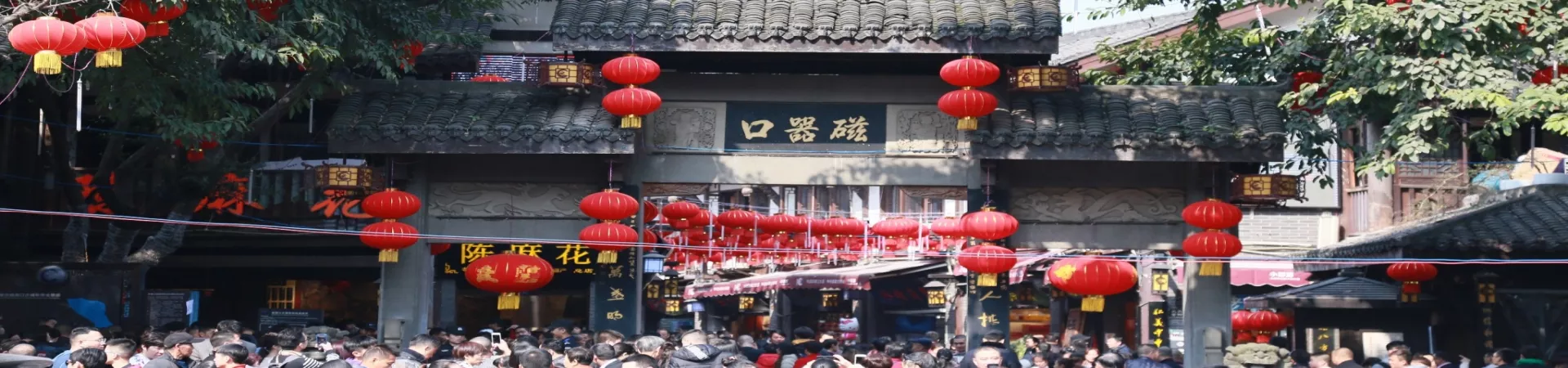
Subtitle: A Journey Through Time in Chongqing's Ancient Porcelain Port
1. Introduction: The Soul of Old Chongqing Nestled on the banks of the Jialing River, just a short distance from the modern heart of Chongqing, lies Ciqikou Ancient Town. More than just a tourist destination, Ciqikou is a living museum, a vibrant tapestry woven from centuries of history, culture, and daily life. Recognized as a "National Historical and Cultural Street," a key protected traditional street in Chongqing, and one of the city's "New Twelve Bayu Scenic Spots," it serves as the pulsating core of the Bayu folk culture tourism circuit. Stepping into Ciqikou is not merely a visit; it is an immersive experience, a chance to walk through the pages of Chongqing's story, where the aroma of local spices mingles with the echoes of a bustling porcelain-trading past, and the serene flow of the river contrasts with the lively hum of its narrow lanes.
2. The Heartbeat of the Town: Main Streets and Hidden Alleys The town's layout is a testament to its organic growth over time, centered around a main artery that runs from the primary entrance down to the riverfront.
2.1. The Main Thoroughfare: A Feast for the Senses Entering from the main gate, visitors are immediately transported to another era. The path is paved with worn, smooth flagstones, narrow and winding, forcing a leisurely pace. Flanking both sides is a continuous, vibrant line of traditional wooden and brick structures housing a dizzying array of vendor stalls and shops. This street is a symphony of sounds, sights, and smells. The air is thick with the enticing aromas of sizzling snacks, pungent spices, and sweet treats. It is here that Ciqikou's famous culinary reputation comes to life. Shops selling Chen Mahua (a particularly savory and crispy variety of twisted dough fritters) and spicy chicken giblet stews are especially ubiquitous, often clustered together, inviting visitors to indulge in a progressive gastronomic adventure. The atmosphere is one of cheerful chaos, perfect for those who wish to soak in the energy, shop for local handicrafts like Shu embroidery or Sichuan opera masks, and sample their way through the town's edible offerings.
2.2. The Serene Backstreets: Discovering Authentic Life For the traveler seeking respite from the main street's exuberance, the true magic of Ciqikou often lies in its capillaries—the quiet, narrow alleys that branch off like veins from the central corridor. Venturing into these lanes is to step behind the stage and into the green room of daily life. The noise of commerce fades, replaced by the gentle chatter of residents, the clatter of mahjong tiles from a hidden courtyard, or the sound of laundry being washed. Here, you might find elderly locals sipping tea, children playing traditional games, or artisans working quietly in small workshops. These alleys, with their mossy steps and aging walls, offer a glimpse of the town's authentic, unhurried rhythm and provide a profound sense of connection to its enduring spirit.
3. Essential Experiences: Beyond the Walk A visit to Ciqikou is defined by a few quintessential activities that engage all the senses and connect you to local traditions.
3.1. Culinary Exploration: A Taste of Bayu The town is a paradise for food lovers. Beyond the famed Chen Mahua and chicken giblets, the streets are lined with stalls offering local specialties such as Mala Tang (spicy hot pot skewers), Suan La Fen (sour and spicy sweet potato noodles), Jiang Mao Du (spicy boiled blood curd and tripe), and various rice-based snacks. The key is to wander, observe what's popular with the locals, and be adventurous. Each bite tells a story of Chongqing's bold and flavorful culinary heritage.
3.2. The Teahouse Culture: A Moment of Respite No visit is complete without spending time in one of the traditional teahouses. These establishments are social hubs and sanctuaries of calm. Settling into a bamboo chair with a cup of locally grown Tu Cha (earth tea) or Biluochun green tea allows you to pause and observe the world go by. Some larger teahouses even host occasional performances of Sichuan opera, including the mesmerizing face-changing (Bian Lian) act, offering cultural enrichment alongside relaxation.
3.3. Riverside Contemplation Following the main street downhill inevitably leads to the Jialing River waterfront. This area offers a dramatic change of scenery and perspective. Watching the river traffic, feeling the breeze, and viewing the old town's architecture from the water's edge provides a moment of peaceful reflection on the town's history as a vital port for porcelain and other goods, which is the origin of its name ("Porcelain Port").
4. Practical Information for Visitors 4.1. Getting There * By Metro: The most convenient and recommended method. Take Metro Line 1 and alight at the Ciqikou Station. Exit the station, and you will find yourself at the edge of the ancient town. * By Bus: Multiple bus routes serve the area. You can take bus 202, 220, 261, or 843 and get off at Ciqikou West Gate Station. Alternatively, buses 209, 215, 248, 467, 501, 504, or 805 will take you to Tongjiaqiao Station, from which the town is a short walk away.
4.2. Admission and Hours * Admission: Entrance to Ciqikou Ancient Town is completely free of charge. * Open Hours: The town's streets and shops are accessible 24 hours a day, every day of the year. However, note that most shops and stalls operate between approximately 9:00 AM and 10:00 PM. The atmosphere is distinctly different between day and night, with evenings being slightly quieter but beautifully lit.
4.3. Suggested Duration A thorough exploration of Ciqikou typically requires 1 to 3 hours. This allows ample time to stroll the main street, delve into a few side alleys, enjoy a snack or two, and relax in a teahouse. Visitors with a deep interest in photography, history, or leisurely soaking in the ambiance may wish to allocate the longer end of this spectrum.
4.4. Contact Information For general inquiries, you can contact the town's management office at: 023-65010003 or 023-65322661.
Information last updated: June 16, 2023. Credit and thanks to contributing editors from the travel community.