Zhiyuan Zen Temple
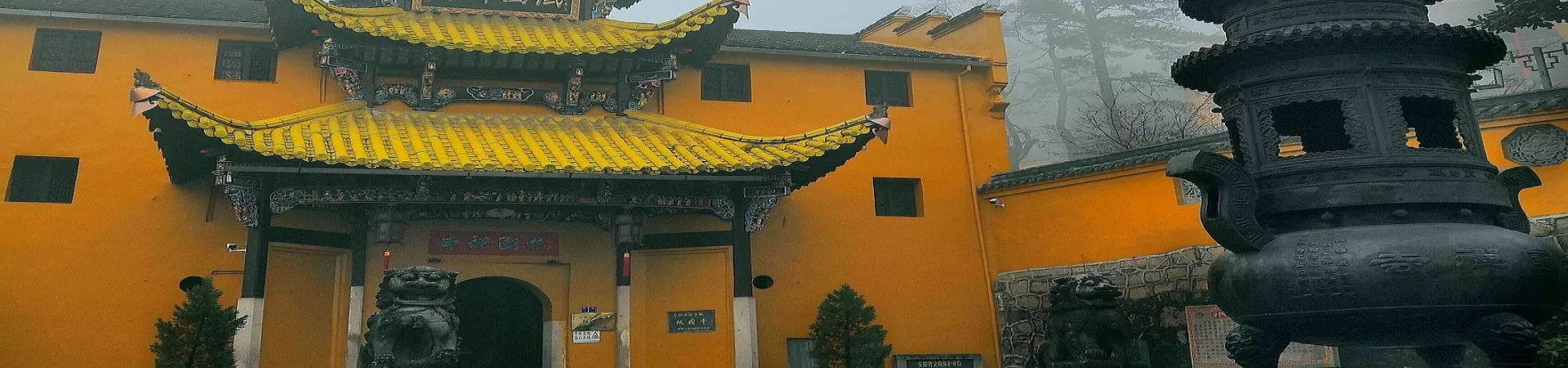
Subtitle: A Guide to Zhīyuán Chán Temple, Jiuhuashan: History, Architecture, Culinary Delights, and Practical Visitor Information
1. Introduction and Historical Significance Nestled against the western foothills of Dongya (East Cliff) and east of Yingxian Bridge (Welcoming Immortals Bridge) on the sacred Mount Jiuhua, Zhīyuán Chán Temple stands as a monumental testament to Chinese Buddhist heritage. Founded during the Ming Dynasty, its history is deeply interwoven with the mountain's identity as a bodhimanda, or place of enlightenment, for Dizang Bodhisattva (Kṣitigarbha). Among the "Four Great Jungles" of Jiuhuashan—a term denoting large, public monastic complexes that historically governed the mountain's religious affairs—Zhīyuán Chán Temple is traditionally regarded as the foremost. This preeminent status underscores its historical role as a central hub for monastic discipline, scholarly learning, and large-scale religious ceremonies. In recognition of its immense cultural and religious value, the temple was designated in 1983 as a National Key Buddhist Temple in Han Chinese Areas, a prestigious classification that ensures its preservation and highlights its importance within China's spiritual landscape.
2. Architectural Layout and Features The temple's architecture is a masterful example of traditional monastic design adapted to a mountainous terrain. Constructed along the slope, the complex is organized into three primary ascending courtyards, creating a profound journey of spatial progression and symbolic ascent.
2.1. The Mountain Gate and Initial Courtyard The visit commences at the Shānmén (Mountain Gate), the traditional entrance to a Buddhist monastery, which marks the transition from the secular world into a sacred space. Passing through this gate, visitors enter the first courtyard, setting the tone for the serene atmosphere within.
2.2. The Hall of Maitreya and the Great Hero Hall The first major hall is typically dedicated to Maitreya Buddha (Mílè Diàn), the Future Buddha, whose welcoming image symbolizes joy and openness. Often, the rear of this hall houses a statue of Skanda (Weituo), the guardian protector of the Dharma. The architectural and spiritual heart of the temple is the Dàxióng Bǎodiàn (Great Hero Hall or Main Buddha Hall). This grand hall, located in the central courtyard, enshrines the primary statues of worship, most commonly Sakyamuni Buddha, often flanked by attendants. The hall serves as the central venue for major sutra recitations, ceremonies, and communal meditation, its scale reflecting the temple's status as a leading "jungle" monastery.
2.3. Monastic Quarters and Support Structures Beyond the main halls, the complex extends to include Sēngfáng Liáoshè (monks' dormitories and living quarters), libraries, meditation halls, and administrative offices. These areas, generally not open to the public, complete the self-contained ecosystem of the monastery, supporting the daily life and practice of the resident Sangha. The harmonious integration of these structures with the natural hillside exemplifies the Buddhist principle of unity with nature.
3. Visitor Experience: Dining and Accommodation Zhīyuán Chán Temple offers unique practical amenities that significantly enhance the visitor experience on Mount Jiuhua, particularly for those seeking an immersive stay.
3.1. Renowned Monastic Vegetarian Cuisine The temple is famous for its sùzhāi (vegetarian monastic cuisine), which is served daily for breakfast, lunch, and dinner. This food is prepared according to Buddhist precepts, emphasizing purity, seasonal ingredients, and skillful culinary art that often creatively mimics meat dishes. Its reputation for being exceptionally delicious draws large crowds. It is crucial for visitors wishing to partake to note that service is limited and operates on a strict schedule. To secure a meal, it is highly advisable to arrive well before the announced opening time for each dining session.
3.2. On-Site Monastery Guesthouse: The Shangketang Hotel For overnight guests, the temple operates the Shàngkètáng Bīnguǎn (Shangketang Guesthouse), which provides accommodation fully meeting standard hotel specifications. Considered one of the best lodging options on the mountain, it offers remarkable value for money. Staying within the temple grounds allows for a deeply tranquil experience, providing opportunities to observe the rhythms of monastic life, participate in early morning ceremonies, and enjoy the profound peace of the mountain after day-trippers have departed.
4. Practical Information for Planning Your Visit
4.1. Contact and Basic Details * Telephone: +86 566 2831288 * Suggested Visit Duration: 1 to 3 hours. * Opening Hours: 06:30 - 17:00 (Monday through Sunday, year-round). * Admission: Access to Zhīyuán Chán Temple is included in the general entrance ticket for the Mount Jiuhua Scenic Area. No separate ticket is required.
4.2. Transportation Guide to Mount Jiuhua and Zhīyuán Temple The temple is located within the Jiuhuashan Scenic Area in Jiuhua Street. The primary challenge is reaching the mountain itself.
4.2.1. From Chizhou Railway Station Upon arrival at Chizhou Railway Station, proceed to the adjacent Chizhou Central Bus Station. * Option A (Direct): Take the Chí-Jiǔ Line bus. Its terminus is the Jiuhuashan (Kecun) Bus Station (approx. 50-minute journey). From there, transfer to the mandatory scenic area shuttle bus for a 30-minute ride up the mountain to Jiuhua Street. * Option B (Transfer): Take the Chí-Qīng Line bus heading towards Qingyang. Disembark at Wuxi (approx. 1-hour journey, fare ~¥6). At Wuxi, transfer to a Qingyang–Jiuhuashan (Kecun Transfer Center) minibus, which departs every 15 minutes (30-minute journey, fare ~¥4). * Taxi: A direct taxi from Chizhou Station to Jiuhuashan costs approximately ¥100 and takes about one hour.
4.2.2. From Long-Distance Bus The Jiuhuashan Bus Station is located in Kecun New Street. It is the hub for buses to/from numerous cities (e.g., Hefei, Nanjing, Shanghai, Wuhan, Hangzhou) and also the main ticket office for the scenic area entrance. Upon arrival at this station, you must purchase your scenic area ticket and board the internal shuttle bus to ascend to Jiuhua Street.
4.2.3. Internal Scenic Area Transportation * Traffic Control: Private vehicles are prohibited from driving up the mountain from Friday noon until Sunday afternoon. During these times, they must park in the new district parking lot in Kecun, and visitors must use the shuttle buses. It is advisable for drivers to avoid weekend visits if they wish to drive up. Parking fees apply: ¥10 entry fee, plus ¥40 for overnight parking or ¥25 for daytime parking. * Scenic Area Shuttle Buses: These buses are essential for travel between Kecun, Jiuhua Street, and major scenic spots like Phoenix Pine (for Tiantai Cable Car) and Huatai Scenic Area. A single ticket is purchased at Kecun, allowing one entry and stops at designated points. Crucially, the buses do not allow unlimited hop-on-hop-off between all points. For example, a bus from Huatai returns only to Kecun. To re-enter from Kecun, you must have previously registered for a re-entry permit or purchase a new ticket. Always confirm routes and re-entry procedures at the ticket office. * Local Transport in Jiuhua Street: Within the Jiuhua Street area, besides walking, you can hire pedicabs or electric tricycles, which typically carry 2-3 passengers for short trips, with fares ranging from ¥3 to ¥5 per person.