Xinghua Village Cultural Tourism Area
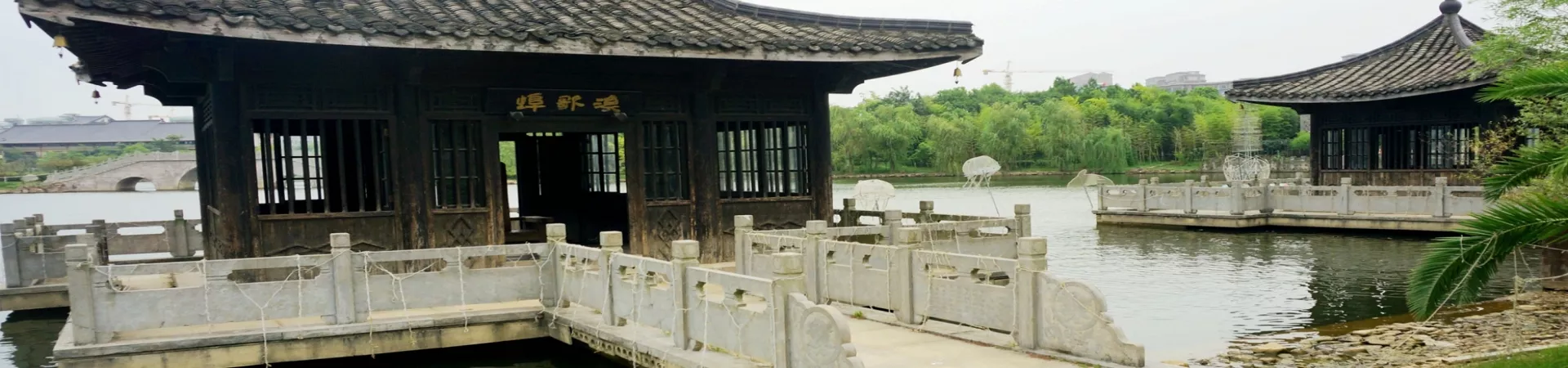
Subtitle: A Journey Through Time in Chizhou's Poetic Landscape
I. The Birth of a Legend: Du Mu and the Eternal Verse
Nestled to the west of Chizhou's ancient prefectural city lies Xinghua Cun, the Apricot Blossom Village, a place forever etched into the cultural consciousness of China as the "Number One Poetic Village Under Heaven." Its immortal fame springs from a single, exquisite moment during the Tang Dynasty. Between 844 and 846 AD, the renowned poet Du Mu served as the Governor of Chizhou. It was here, amidst the gentle spring scenery, that he sought solace and inspiration, ultimately composing the timeless poem "Qingming" (The Clear and Bright Festival). The poem's evocative lines, describing a pastoral scene and a shepherd boy pointing towards a village of apricot blossoms in the distance, have resonated for over a millennium. This masterpiece did not merely describe a location; it bestowed upon Xinghua Cun a poetic soul, transforming it from a simple village into an enduring symbol of lyrical beauty and rustic charm, securing its place in the annals of Chinese literary history.
II. Echoes of the Past: Historical Legacy and Preservation
The village's significance is further cemented by substantial historical records. The Qing Dynasty saw the compilation of the "Twelve-Volume Chronicle of Xinghua Village," a detailed testament to its cultural and topographical importance. Furthermore, the area was once celebrated for its "Twelve Scenic Spots of Xinghua Village," picturesque vistas that captured the idealized beauty of the region. While most of these ancient landscapes have been lost to time, a tangible link to the Tang Dynasty survives: the Huang Gong Well. This ancient well stands as a silent, resilient witness to the centuries, having quenched the thirst of villagers, including perhaps the poet Du Mu himself. It serves as a powerful, physical connection to the village's illustrious past. Today, efforts are actively underway to revive this heritage. The construction of the Ancient Well Park at Xinghua Village represents a dedicated initiative to restore and protect this core historical site. The overarching vision is ambitious and poetic: to gradually resurrect the enchanting scenes immortalized in classical descriptions—the "ten li of misty village all in one hue of red" and the "shared serenity of village wine and village blossoms."
III. Planning Your Visit: Essential Practical Information
For the modern traveler seeking to walk in the footsteps of poets, Xinghua Village offers a unique cultural experience. Below is the essential information required to plan a visit.
A. Admission and Operating Hours The site operates daily, welcoming visitors from 8:00 AM to 5:30 PM. The last admission is at 5:00 PM. This schedule is consistent throughout the year, from January 1st to December 31st. Admission to the cultural tourism area is priced at 68 RMB per person.
B. Contact Details For inquiries regarding visits, events, or further information, you can contact the administration using the following telephone numbers: 0566-2035566 or 0566-2021166.
C. Access and Transportation Xinghua Village is situated to the west of Chizhou's city center. Visitors can reach Chizhou via high-speed rail or long-distance bus. From Chizhou's main transportation hubs, the site is accessible by taxi or local bus services. It is advisable to check for the most current local bus routes or utilize ride-hailing apps for the most convenient direct journey to the village.
IV. The Visitor Experience: Immersion in Culture and Nature
A visit to Xinghua Village is more than a simple tourist outing; it is an immersive journey. The site is designed to engage visitors on multiple levels. The focal point remains the historical nucleus around the Huang Gong Well, where one can ponder the deep history of the place. As redevelopment progresses, the area is set to offer beautifully landscaped paths ideal for leisurely strolls, especially during the spring when apricot blossoms are in bloom, attempting to recreate the "one hue of red" described in ancient texts. The integration of cultural elements is key. Expect to encounter installations and exhibits related to Du Mu's poetry and the village's history, allowing for a deeper appreciation of its literary context. The atmosphere aims to be one of tranquil reflection, inviting guests to experience the "shared serenity" of its natural and cultural offerings, providing a peaceful respite from urban life and a tangible connection to China's rich poetic tradition.
Information last updated: 2023-09-25. Credit and thanks to contributors including Anhui Tianma International Travel Service.