Shitai Guniujiang Scenic Area
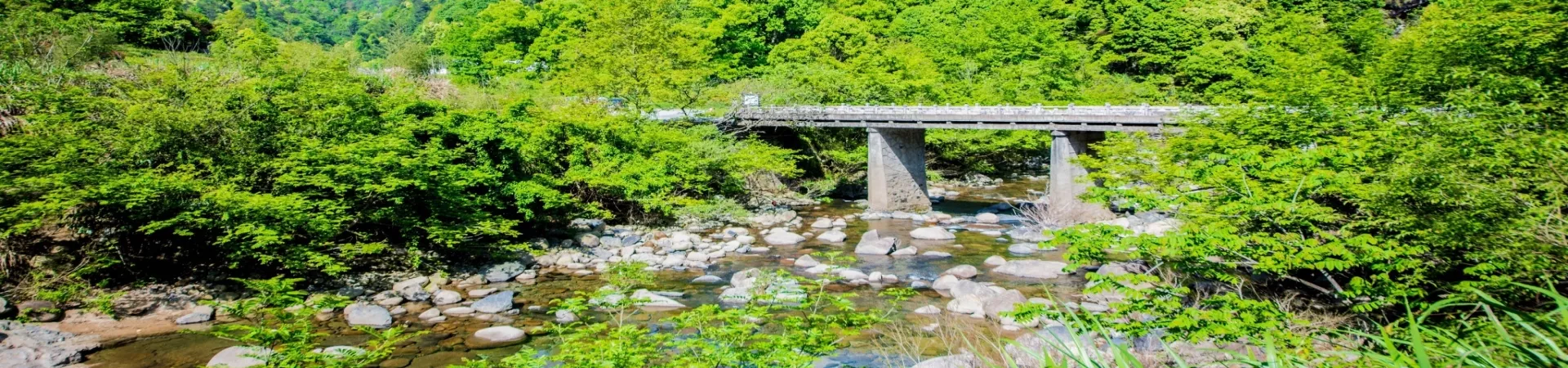
Subtitle: A Comprehensive Guide to Guniujiang Scenic Area, Chizhou, Anhui
1. Introduction: The "Western Yellow Mountain" Nestled in the mountainous region of southern Anhui Province, within the administrative boundaries of Chizhou City's Shitai County, lies Guniujiang Scenic Area. Historically revered as the "Western Yellow Mountain" (Xi Huangshan), it once held a reputation for majestic beauty rivaling its more famous eastern counterpart, Mount Huangshan. Today, it stands as a vast, pristine, and relatively undiscovered treasure, offering a profound escape into nature. It is a place where ancient forests cloak rugged peaks, rare wildlife thrives in secluded habitats, and a rich tapestry of cultural history whispers from its valleys. This guide provides an in-depth look at what makes Guniujiang a unique destination for the discerning traveler seeking depth, tranquility, and unspoiled natural wonder.
2. Natural Splendor and Ecological Significance 2.1. A Pristine Mountain Ecosystem Guniujiang's primary allure is its exceptionally preserved natural environment. The area is a state-designated comprehensive nature reserve, celebrated for its rich biodiversity and superb ecological quality. The landscape is a masterpiece of verdant hills embraced by clear waters, creating a scenery that masterfully combines grandeur, peculiarity, seclusion, and elegance. The dense, old-growth forests are a sanctuary for a variety of rare animal species, including sika deer, serow (often called a "local takin"), and short-tailed monkeys. Notably, the reserve is also known as a "kingdom of snakes," with an initial survey recording a remarkable 38 different species, a diversity rare within China.
2.2. The Spectacle of the "Buddha's Halo" One of the most magical natural phenomena visitors might encounter occurs between May and August, the area's mist-prone season. During this time, under specific atmospheric conditions, the elusive and breathtaking "Buddha's Halo" (a Brocken spectre) can appear. This optical illusion, where a visitor's shadow is magnified and surrounded by rainbow-colored rings on clouds below, is especially stunning and vivid during the soft light of late afternoon. Witnessing this event is considered a rare and memorable privilege.
3. Exploring the Scenic Area: Layout and Highlights 3.1. Five Distinct Sub-Areas The Guniujiang Scenic Area, classified as a National AAAA Tourist Attraction, is administratively divided into five major sections, each with its own character: * Main Peak Scenic Area: Centered on the dominant peak of Guniujiang itself, this area offers the most challenging hikes and commanding panoramic views. * Longmen (Dragon Gate) Scenic Area: Known for its dramatic rock formations, flowing streams, and deep pools. * Qifeng (Wonder Peak) Scenic Area: A zone characterized by a forest of strangely shaped pinnacles and rocky outcrops. * Shuanghekou (Twin River Confluence) Scenic Area: Focused on the convergence of waterways, featuring beautiful riparian landscapes. * Guanyintang (Goddess of Mercy Hall) Scenic Area: The only section located not in Shitai County, but in the neighboring Qimen County.
3.2. A Destination for Deep Exploration Due to its current lack of overwhelming fame, Guniujiang remains refreshingly uncrowded. This makes it an ideal destination for immersive outdoor activities such as serious hiking, nature photography, and wildlife observation. Visitors can explore its trails and vistas at their own pace, enjoying a profound sense of connection with the natural world without the distraction of large tourist groups. A thorough exploration of even one or two sub-areas typically requires a minimum of three hours, with dedicated hikers easily spending a full day or more.
4. Cultural Heritage and Historical Layers Beyond its physical beauty, Guniujiang is a region steeped in culture and history. The land is considered spiritually potent and has nurtured notable figures throughout Chinese history. Key cultural sites include: * Historical Relics of Wu Yingji: The area preserves sites associated with Wu Yingji, a late Ming Dynasty leader of the Fushe literary society, renowned as a patriot and poet. * Ancient Fishing Stone of Xueshan Villagers: A historic site reflecting the traditional life of local mountain communities. * The Slogan Wall: A poignant historical artifact bearing slogans that reflect the tumultuous political winds and revolutionary history that swept through China across much of the 20th century.
5. Practical Visitor Information 5.1. Ticket Information * Standard Adult Ticket: 90 RMB. * Concession Ticket (Half-price): 45 RMB. Applicable to: Children with height between 1.2m (exclusive) and 1.4m (inclusive); minors aged 6 (exclusive) to 18 (inclusive) years old; seniors aged 60 (inclusive) to 64 (inclusive) with valid ID; full-time undergraduate students and below with valid student ID. * Free Admission: Granted to: Children with height of 1.2m or below, or aged 6 or below; seniors aged 65 and above with valid ID; active-duty military personnel, retired military personnel, and disabled veterans with valid credentials. * Note: All ticket information is for reference; please confirm the latest prices and policies at the ticket office on the day of your visit.
5.2. Operating Hours * March 1 to November 30: 08:00 - 17:00 (last entry at 17:00). * December 1 to February 28/29: 08:00 - 17:00 (last entry at 17:00).
5.3. Contact For inquiries, you may contact the scenic area at: 0566-6658189 or 0566-6658666.