Jiuhua Mountain Phoenix Pine
Subtitle: The Phoenix Pine of Jiuhua Mountain: A Millennium-Old Natural and Spiritual Wonder
1. Introduction: The Legendary Sentinel of Jiuhua Mountain Nestled within the sacred landscape of Jiuhua Mountain, one of China's Four Great Buddhist Mountains, stands a silent, awe-inspiring witness to over fourteen centuries of history: the Phoenix Pine. This ancient tree, estimated to be over 1,400 years old, is far more than a botanical curiosity; it is a living relic, deeply intertwined with the mountain's spiritual heritage and a masterpiece of nature's artistry. While it may not enjoy the immediate global recognition of Huangshan's Guest-Greeting Pine, the Phoenix Pine possesses a unique charisma, profound historical weight, and an artistic form that has captivated pilgrims, poets, and painters for generations. Its relative seclusion within the mountain's folds adds to its aura of serene, timeless mystery, offering visitors a more intimate encounter with the soul of Jiuhua.
2. Historical and Cultural Significance: From Monk to Masterpiece 2.1. Origins Rooted in Faith Local legend reverently attributes the planting of this pine to the eminent monk Huaidu during the Northern and Southern Dynasties period (420-589 AD). As Buddhism flourished on Jiuhua Mountain, believed to be the bodhimanda of Ksitigarbha Bodhisattva, the act of planting a tree was a profound gesture of faith and a wish for its enduring presence. The Phoenix Pine has thus grown alongside the mountain's temples, absorbing over a millennium of chanting, prayer, and pilgrimage. It stands not merely as a tree but as a sacred monument, its very existence a testament to the deep-rooted Buddhist traditions that define this region.
2.2. Acclaim as "The First Wonderous Pine of the World" The pine's extraordinary aesthetic appeal has earned it high praise from one of modern China's most celebrated artists. The renowned painter Li Keran, master of ink and wash, was so moved by its form and spirit that he bestowed upon it the illustrious title "天下第一奇松" (The First Wonderous Pine of the World). This endorsement elevates the Phoenix Pine from a local treasure to a pinnacle of natural art, highlighting its dramatic posture and evocative shape that seems to transcend the ordinary.
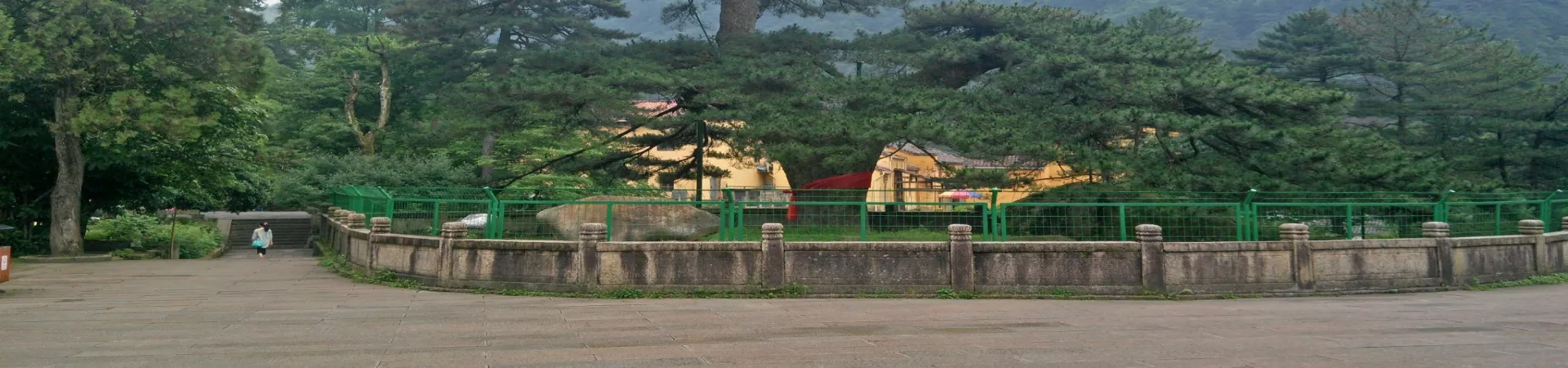
3. Experiencing the Phoenix Pine: A Visitor's Guide 3.1. The Striking Visual Form The tree earns its name from a breathtaking natural sculpture: its massive, low-spreading crown and sprawling, uplifted branches bear an uncanny resemblance to a giant phoenix with its wings unfurled, poised for flight. The trunk, gnarled and textured by the ages, forms the mythical bird's body, while the sweeping boughs create a dynamic, feathery silhouette against the mountain sky. This "frozen moment" of avian grace makes it a phenomenal subject for photography and quiet contemplation, especially in the soft light of dawn or dusk when shadows deepen its dramatic form.
3.2. Location and Access Finding the Phoenix Pine is a small pilgrimage in itself, adding to the sense of discovery. It is located in the Minyuan Nunnery Cluster area, near the bell tower. * Primary Route: The most straightforward access for most visitors is after descending from the Tiantai Scenic Area via cable car. Upon exiting the cable car station, proceed down the stone steps and then turn right. Follow the path for a leisurely 15-minute walk through the serene nunnery grounds. The route is well-signposted, and the peaceful surroundings prepare the mind for the encounter. * Context within the Mountain: Its location away from the main thoroughfares of Jiuhua Street offers a tranquil respite. The area is characterized by clusters of quiet nunneries, streams, and bamboo groves, providing a distinctly peaceful and spiritual atmosphere compared to the more bustling core temple areas.
4. Practical Planning Information 4.1. Transportation to Jiuhua Mountain The Phoenix Pine is located within the vast Jiuhua Mountain Scenic Area. Reaching the mountain itself requires some planning. * From Chizhou Railway Station: Outside the station, at the Chizhou Central Bus Station, you have two main bus options: * Chijiu Line: This bus goes directly to the Jiuhuashan (Kecun) Bus Terminal (approx. 50 mins). This terminal is the main transport hub where you must purchase the scenic area entrance ticket and transfer to the mandatory internal shuttle buses to reach Jiuhua Street (approx. 30 mins). * Chiqing Line: Take this bus towards Qingyang and disembark at Wuxi (approx. 60 mins). At Wuxi, transfer to a minibus heading to the Kecun Transfer Center, which departs every 15 minutes (approx. 30 mins). * Taxi Alternative: A direct taxi from Chizhou Station to the mountain costs around 100 RMB and takes about one hour. * Long-Distance Bus: The Jiuhuashan Bus Station in Kecun New Street is a major hub with direct routes to/from numerous cities including Hefei, Nanjing, Shanghai, Wuhan, and Hangzhou. This station is also the primary ticket office for entering the scenic area. * Internal Scenic Area Transportation: * Mandatory Shuttle Buses: Due to traffic control, private vehicles are generally prohibited from driving up to Jiuhua Street, especially from Friday afternoon to Sunday afternoon. All visitors must park in the new district parking lots in Kecun and take the official eco-friendly shuttle buses. A single-journey ticket is purchased at Kecun and punched at each leg. Crucially, these buses do not allow unlimited hop-on-hop-off between all points. For example, a bus from the Huatai Scenic Area goes only to Kecun, requiring a new ticket to re-enter. Plan your route sequentially to avoid unnecessary back-tracking. * Local Transport: Within Jiuhua Street and surrounding areas, electric or human-pedaled tricycles are available for short trips, typically costing 3-5 RMB per person.
4.2. Admission and Visit Details * Admission Ticket: Access to the Phoenix Pine is included in the comprehensive Jiuhua Mountain Scenic Area entrance ticket. There is no separate fee for the tree itself. * Suggested Visit Duration: Allocating under one hour at the tree site is sufficient for appreciation and photography. However, the total time required includes the walk to and from the cable car station or other access points. * Opening Hours: The site is accessible 24 hours a day, year-round. However, practical access is subject to the operating hours of the cable cars (typically ~7:30 AM to 5:00 PM) and internal shuttle buses. Visiting outside of these hours would require a lengthy hike and is not recommended for most travelers. * Best Time to Visit: Early morning offers softer light and fewer crowds, enhancing the spiritual and visual experience. The tree is impressive in any season, from the fresh greens of spring and summer to the stark, dramatic outlines against a winter sky.