Jiuhua Tianchi Scenic Area
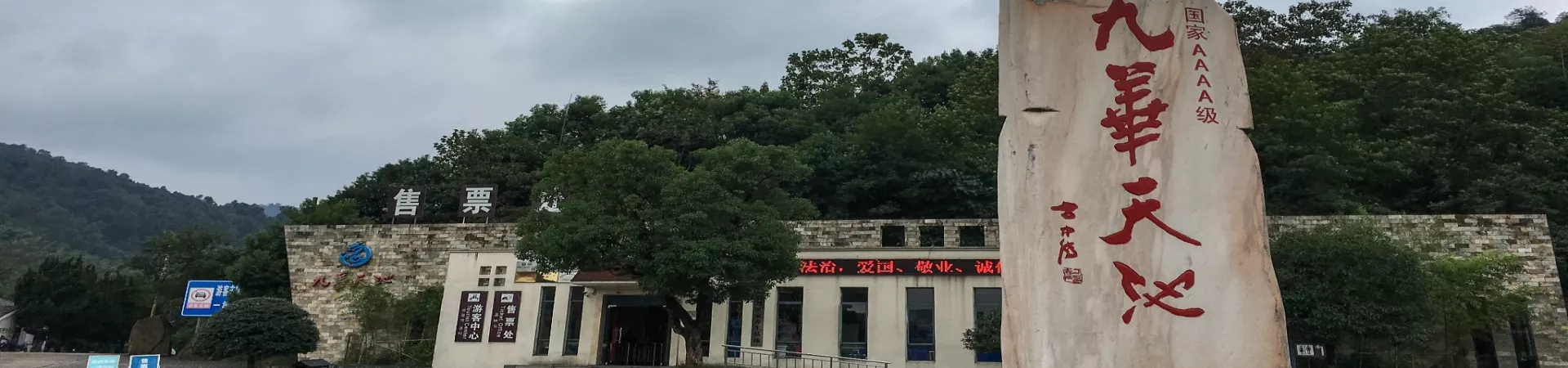
Subtitle: A Comprehensive Guide to Jiuhua Tianchi Scenic Area: Nature's Masterpiece in Chizhou
Introduction Nestled within the Mayao area of Chizhou City, Anhui Province, the Jiuhua Tianchi Scenic Area stands as a premier destination recognized as a National AAAA Tourist Attraction and one of Anhui's first designated scenic spots. This region is a classic example of granite geological landforms, shaped over eons by multiple tectonic uplifts that have sculpted a dramatic landscape of multi-level gorges and basin valleys. The scenic area is a harmonious blend of breathtaking natural wonders and serene cultural sites, primarily divided into four core sections: Longchi (Dragon Pool), Tianchi (Heavenly Pool), Glacier Stone Valley, and Furong Peak (Hibiscus Peak). Visitors are treated to a diverse tableau of deep canyons, meandering streams, cascading waterfalls, alongside charming red-walled mountain villages and tranquil tea plantations.
1. Exploring the Core Attractions The beauty of Jiuhua Tianchi is revealed through its distinct geographical components, each offering a unique experience.
1.1. Longchi (Dragon Pool) & Tianchi (Heavenly Pool) These two pristine pools form the heart of the scenic area. Tianchi, the "Heavenly Pool," is a stunning high-mountain lake nestled amidst lush forests and rugged peaks, its clear waters reflecting the surrounding beauty. Longchi, or the "Dragon Pool," is often connected through scenic waterways or paths, adding to the area's mystical and serene atmosphere. Together, they create a focal point of calm and picturesque scenery.
1.2. Glacier Stone Valley This remarkable area showcases the powerful geological history of the region. The valley is characterized by vast expanses of smooth, exposed granite bedrock and scattered massive boulders, formations often attributed to ancient glacial activity. Walking through Glacier Stone Valley feels like traversing a natural stone museum, with unique rock formations and potholes carved by water over millennia.
1.3. Furong Peak (Hibiscus Peak) As a prominent peak within the area, Furong Peak offers challenging hikes and rewarding panoramic vistas. Reaching its vantage points allows visitors to appreciate the full scale of the multi-level gorges and the patchwork of valleys below. It is a must-visit for photography enthusiasts and those seeking a more active adventure.
2. Visitor Practical Information To ensure a smooth and enjoyable trip, here are the essential logistical details for planning your visit.
2.1. Tickets & Opening Hours * Ticket Price: The standard adult admission ticket is priced at 80 RMB. Children under 1.2 meters in height enjoy free entry. * Operating Hours: The scenic area operates on a seasonal schedule: * Summer Season (June 1 - August 31): Open from 07:30 to 17:30, with last admission at 17:00. * Winter Season (December 1 - February 28): Open from 08:00 to 17:00, with last admission at 16:30.
2.2. Suggested Duration A thorough exploration of the Jiuhua Tianchi Scenic Area, allowing time for hiking, photography, and appreciating both natural and cultural sites, typically requires 1 to 3 hours. Visitors with a keen interest in geology or hiking may wish to allocate the full 3 hours or more.
3. How to Get There Located in Chizhou's Mayao district, the scenic area is accessible via several modes of transport.
3.1. By Public Transport from Chizhou * From Chizhou Long-Distance Bus Station: * Bus: Take a direct bus heading to Mayaoqiao and alight at the "Tianchi" stop. The bus fare is economical, ranging between 2 to 4 RMB. * Taxi: A taxi ride from the Chizhou Long-Distance Bus Station directly to the scenic area entrance costs approximately 30 RMB and offers more convenience.
3.2. By Self-Driving For travelers seeking flexibility, driving is an excellent option. Below are sample routes from major cities: * From Shanghai: Take the Shen-Su-Zhe-Wan Expressway (G50), transfer to the Xuan-Guang Expressway, then onto the Wu-Xuan Expressway, and finally the Wu-Da Expressway. The total distance is approximately 464 km, with an estimated driving time of 5 hours and 54 minutes. * From Nanjing: Take the Ning-Ma Expressway, connect to the Ma-Wu Expressway, and continue on the Wu-Da Expressway. The journey covers about 220 km and takes roughly 3 hours and 14 minutes.
4. The Landscape and Cultural Tapestry Beyond the named attractions, the true essence of Jiuhua Tianchi lies in its immersive environment.
4.1. Natural Landscape Features The area is a textbook example of granite geology, where tectonic forces have created a layered world of cliffs, valleys, and basins. Visitors can follow trails along clear, rushing streams that cut through the rock, discover hidden waterfalls tucked into crevices, and wander through dense, verdant forests. The interplay of water, rock, and vegetation creates a constantly changing and visually stunning scene.
4.2. Cultural and Human Elements Interspersed within the natural grandeur are pockets of human habitation and cultivation. Traditional red-walled mountain villages dot the landscape, offering a glimpse into local life and architecture. Expansive tea plantations blanket some of the slopes, adding patterns of lush green to the vista and representing the region's agricultural heritage. These elements provide a gentle, cultural counterpoint to the raw natural beauty, showcasing a harmonious coexistence.