Huacheng Temple
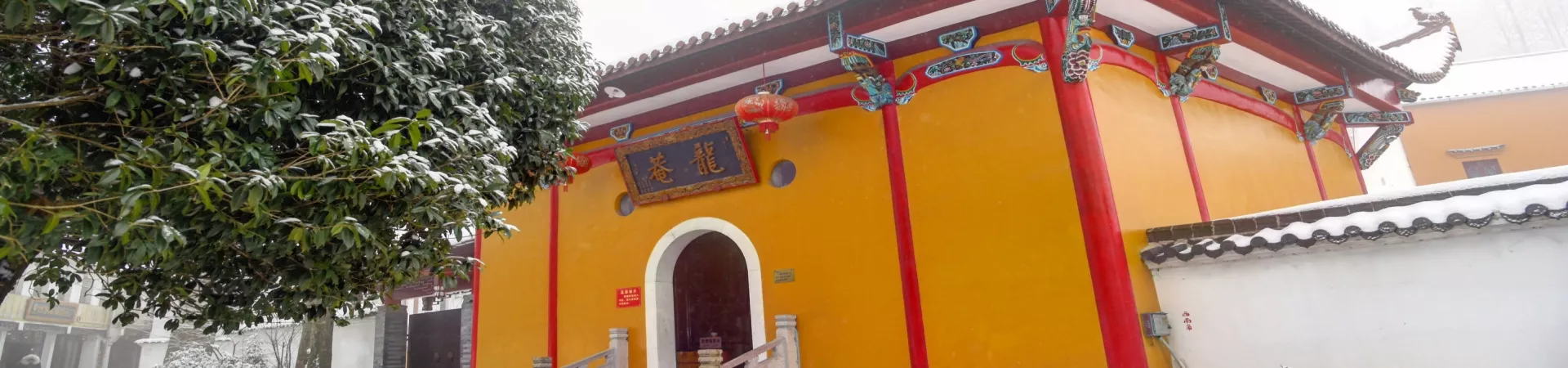
Subtitle: The Founding Temple of Jiuhua Mountain: A Journey Through Time, Art, and Pilgrimage
1. Introduction: The Cradle of a Sacred Mountain
Nestled in the heart of Jiuhua Street, the vibrant lodging and dining hub of Jiuhua Mountain, lies Huacheng Temple. More than just a temple, it is the spiritual and historical genesis of the entire mountain, revered as one of the Four Sacred Buddhist Mountains of China. Its story begins in the early 5th century during the Eastern Jin Dynasty, when monks first established a humble hermitage on this site. However, it was during the Tang Dynasty, around 757 AD, that the temple was formally constructed. The name "Huacheng," meaning "a city materialized by miracle," poetically derives from its unique geographical setting, surrounded by peaks resembling city walls, and from an ancient Buddhist parable about a guide creating an illusory city to encourage weary travelers. As the founding temple and the oldest sanctuary on Jiuhua Mountain, Huacheng Temple holds the profound distinction of being the primary Bodhimanda, or sacred site of practice, of Ksitigarbha Bodhisattva (Dizang Pusa), the beloved bodhisattva vowed to deliver souls from the sufferings of the underworld.
2. Architectural Layout and Artistic Masterpieces
The temple complex is a classic example of traditional Chinese monastic architecture, meticulously arranged along a central north-south axis with four sequential courtyards and halls.
2.1. The Grand Hall of the Great Hero (Daxiong Baodian) The architectural and artistic crescendo of the temple is undoubtedly the Grand Hall of the Great Hero. Upon entering, visitors are immediately drawn to look upward. The ceiling features a magnificent coffer, known as a zaojing, which is a masterpiece of Qing Dynasty artistry. This intricately carved and painted wooden canopy is adorned with the breathtaking "Nine Dragons Playing with a Pearl" motif. The dynamic, lifelike dragons, swirling amidst clouds, are not only a symbol of imperial power and celestial protection but also represent one of the highest forms of Chinese decorative woodcraft, making this ceiling an unparalleled artistic treasure within the Buddhist architectural world.
2.2. Courtyards and Corridors: A Gallery of Devotion The serene covered walkways and courtyards connecting the halls serve as an open-air gallery. They are adorned with numerous calligraphies and paintings depicting the sublime landscapes of Jiuhua Mountain and Buddhist themes. Among these, one artifact stands out for its profound devotion: the Huayan Blood Sutra. This sacred text was created in the Ming Dynasty by the revered monk Wuxia. In an ultimate act of piety, he pricked his own tongue, using his blood as ink to meticulously transcribe the entire Avatamsaka Sutra (Flower Garland Sutra). This extraordinary relic is a powerful testament to the depth of faith that permeates this mountain.
2.3. The Crescent Moon Pond Before the temple's main gate lies the tranquil Yueya Chi, or Crescent Moon Pond. Historically believed to have been Ksitigarbha Bodhisattva's personal pond for releasing captive life, it continues to serve as a fangsheng chi (life-release pond). This serene pool, reflecting the temple and surrounding hills, adds a layer of symbolic compassion and natural beauty to the temple's entrance, contrasting with the bustling small shops that line the sides of Jiuhua Street just beyond.
3. Practical Visitor Information
3.1. Admission and Opening Hours - Admission: Access to Huacheng Temple is included within the general entrance ticket to the Jiuhua Mountain Scenic Area. There is no separate fee for the temple itself. - Opening Hours: The temple is open daily from 06:30 to 17:00, year-round.
3.2. Suggested Duration A thorough visit to appreciate the temple's architecture, history, and artifacts typically requires 1 to 3 hours. This allows time for contemplation in its courtyards and a detailed viewing of its artistic highlights.
4. Transportation Guide to Jiuhua Mountain and Huacheng Temple
Huacheng Temple is located within the Jiuhua Mountain Scenic Area in Chizhou City, Anhui Province. The primary gateway is the Jiuhua Street town center, where the temple is situated.
4.1. Reaching Jiuhua Mountain from Major Transport Hubs - From Chizhou Railway Station: - By Bus: Exit the station to the adjacent Chizhou Central Bus Station. Two main bus lines serve Jiuhua Mountain: 1. Chizhou-Jiuhua Line: This bus goes directly to the Jiuhua Mountain (Kecun) Bus Station (approx. 50-minute journey). From Kecun, you must transfer to the official Scenic Area Shuttle Bus for the final 30-minute ascent to Jiuhua Street. 2. Chizhou-Qingyang Line: Take this bus and alight at Wuxi (approx. 1-hour journey, fare ~6 RMB). At Wuxi, transfer to a local minibus to Kecun Transfer Center (departs every 15 mins, 30-min journey, fare ~4 RMB), then take the Scenic Area Shuttle Bus to Jiuhua Street. - By Taxi: A direct taxi from Chizhou Railway Station to the mountain area costs approximately 100 RMB and takes about one hour. - By Long-Distance Bus: The Jiuhua Mountain Bus Station is located at Kecun New Street. This station is the terminus for shuttle buses to Jiuhua Street and also the main ticket office for the scenic area. It operates nearly 30 routes connecting to cities like Hefei, Nanjing, Shanghai, Hangzhou, Wuhan, Huangshan, and others.
4.2. Navigating the Scenic Area (Internal Transportation) - Private Vehicles & Traffic Control: Jiuhua Mountain implements strict traffic control, especially on weekends. From Friday noon to Sunday afternoon, private vehicles are generally prohibited from driving up to Jiuhua Street. They must park in the new district parking lots at Kecun (fees: 10 RMB entry pass, 25 RMB daytime parking, 40 RMB overnight). Driving up on weekdays is possible but subject to restrictions. - Scenic Area Shuttle Buses: This is the mandatory and primary mode of transport within the mountain. Tickets are purchased at the Kecun Bus Station. The ticket allows one ride per designated leg (e.g., Kecun to Jiuhua Street, Jiuhua Street to Phoenix Pine, etc.), marked by a hole punch on the ticket. Crucially, the routes are not circular or freely interchangeable. For example, a bus from Huatai Scenic Area only goes down to Kecun. To re-enter, you must purchase a new shuttle ticket and, if your scenic area entry ticket is for a single visit, may need to complete a "re-entry" procedure at the ticket office. - Local Transport in Jiuhua Street: For short distances around the Jiuhua Street core area, pedicabs and electric tricycles are available, typically charging 3-5 RMB per person.