Hot A-line
Subtitle: A Journey Through Time and Terrain: Discovering the Rea Line from Chifeng
Introduction: The Allure of Inner Mongolia's Hidden Artery
Nestled within the vast and varied landscapes of Inner Mongolia, the route from Chifeng to the Rea Line (热阿线) represents one of China's most captivating and understated road trip adventures. This is not merely a transit corridor but a dynamic tapestry woven with geological marvels, deep cultural heritage, and breathtaking ecological transitions. Far from the well-trodden tourist circuits, this journey offers an immersive experience into the soul of the Mongolian plateau, where the sky seems endlessly expansive and history whispers from every rock and grassland. Traveling the Rea Line is to engage in an active dialogue with nature—a passage that challenges, inspires, and profoundly transforms the perceptive visitor.
Section 1: Gateway – The Historical City of Chifeng
1.1. A City Built on Red Minerals The journey logically begins in Chifeng, a city whose name literally translates to "Red Peak," derived from the ochre-hued mountains at its core. As a crucial historical hub, Chifeng serves as the perfect cultural prelude. It was a significant center for the Hongshan Culture (红山文化), one of China's earliest Neolithic societies, renowned for its exquisite jade artifacts and mysterious ritual sites. A visit to the Chifeng Museum is highly recommended to contextualize the ancient human ingenuity that flourished in this region millennia before the modern road was conceived.
1.2. Urban Oasis and Culinary Launchpad Beyond its history, Chifeng functions as a practical and comfortable gateway. The city provides all necessary amenities for travelers preparing for the wilderness ahead. Here, one can savor the hearty, warming flavors of Mongolian-influenced cuisine—such as succulent roast lamb, handmade dairy products, and savory buckwheat noodles—fortifying oneself for the journey northward into more remote territories.
Section 2: The Ascent – Transition into the Heart of the Grasslands
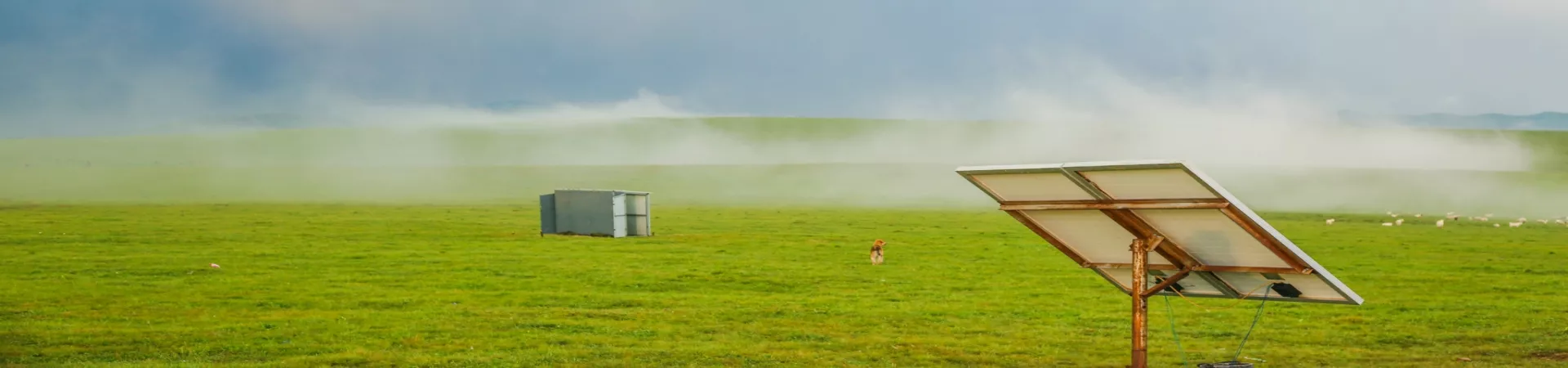
2.1. Departing the Foothills The road north from Chifeng initially traverses rolling hills and agricultural lands, a gentle prelude to the drama ahead. The landscape gradually begins to shift, with patches of grassland appearing like green waves amidst the hills. This transition zone is marked by scattered villages and herds of grazing sheep and cattle, offering glimpses of traditional semi-nomadic lifestyles that have persisted for generations.
2.2. The Onset of the Vast Hunshandake Sandy Land A major geographical feature soon dominates the horizon: the Hunshandake Sandy Land (浑善达克沙地). Contrary to the harsh imagery of a barren desert, Hunshandake is an "eco-pastoral transition zone," characterized by fixed and semi-fixed dunes interspersed with wetlands, shrubs, and resilient grasses. This unique ecosystem creates a surprisingly diverse and fragile environment. The sight of shimmering lakes like Dalinor (达里诺尔湖) appearing mirage-like amidst the sandy terrain is a surreal and unforgettable highlight, attracting numerous migratory birds and offering exceptional photography opportunities.
Section 3: The Climax – The Rea Line Proper and Its Alpine Majesty
3.1. Entering the Realm of the "Most Beautiful Highway" The term "Rea Line" often specifically refers to the spectacular section through the Hexigten Global Geopark (克什克腾世界地质 Park), where the journey reaches its visual and sensory peak. The road here is an engineering marvel that snakes through the heart of the Greater Khingan Range's southern terminus. It is celebrated for its dizzying switchbacks, panoramic viewpoints, and the sheer density of natural wonders per kilometer.
3.2. Geological Wonders: Granite Forests and Glacial Relics This area is a paradise for geology enthusiasts. The most iconic landmarks are the Asihatu Granite Forest (阿斯哈图石林). Unlike the karst stone forests of southern China, Asihatu features majestic pillars and castles of granite, sculpted over eons by wind, water, and glacial erosion. These towering formations, set against the backdrop of lush meadows, create a scene of majestic, almost mythical, beauty. Further along, evidence of ancient glacial activity abounds in U-shaped valleys, moraine deposits, and crystal-clear alpine lakes nestled between peaks. Each turn reveals a new vista, from vast basins of wildflowers in summer to golden birch forests in autumn.
3.3. The Ultimate Vista: Huanggangliang Summit The undeniable pinnacle of the drive is the ascent to Huanggangliang (黄岗梁), the highest peak in the southern Greater Khingan Range. The road climbs to altitudes exceeding 2,000 meters, where the air grows crisp and the tree line recedes. From the summit viewing platforms, visitors are rewarded with a 360-degree panorama that is nothing short of sublime—a seemingly endless succession of forested ridges, rolling grasslands, and granite peaks unfolding to the horizon.
Section 4: Cultural and Practical Dimensions of the Journey
4.1. A Living Cultural Tapestry The Rea Line corridor is not a sterile natural park but a living landscape. It is the traditional homeland of Mongolian herders. Travelers may encounter nomadic families in their traditional yurts (gers), witness the thrilling spectacle of equestrian skills like horse racing or wrestling at local Nadam festivals (if timed correctly), and experience the profound hospitality intrinsic to Mongolian culture. Respectful interaction and support for local community-run tourism are encouraged.
4.2. Essential Travel Considerations This journey demands preparation. The best times to travel are from late June to early October, when the grasslands are green, wildflowers bloom, and autumn colors blaze. Winters are extremely harsh, and some roads may be closed. Travel is primarily by private vehicle or chartered car with a local driver, as public transport along the scenic route is limited. Accommodation ranges from standard hotels in Chifeng and towns like Hexigten Banner (克什克腾旗) to authentic yurt stays on the grassland, offering a range of comfort levels. Travelers must be prepared for rapidly changing weather, strong sun, and variable road conditions, packing layers, sunscreen, and ample supplies.
4.3. Conservation and Responsible Travel The ecosystems along the Rea Line, particularly the sandy lands and alpine meadows, are delicate. It is imperative to practice "Leave No Trace" principles: staying on designated roads and paths, properly disposing of all waste, avoiding disturbance to wildlife and livestock, and minimizing the environmental impact of one's visit. The future of this stunning region depends on sustainable and respectful tourism practices.