Dada Line
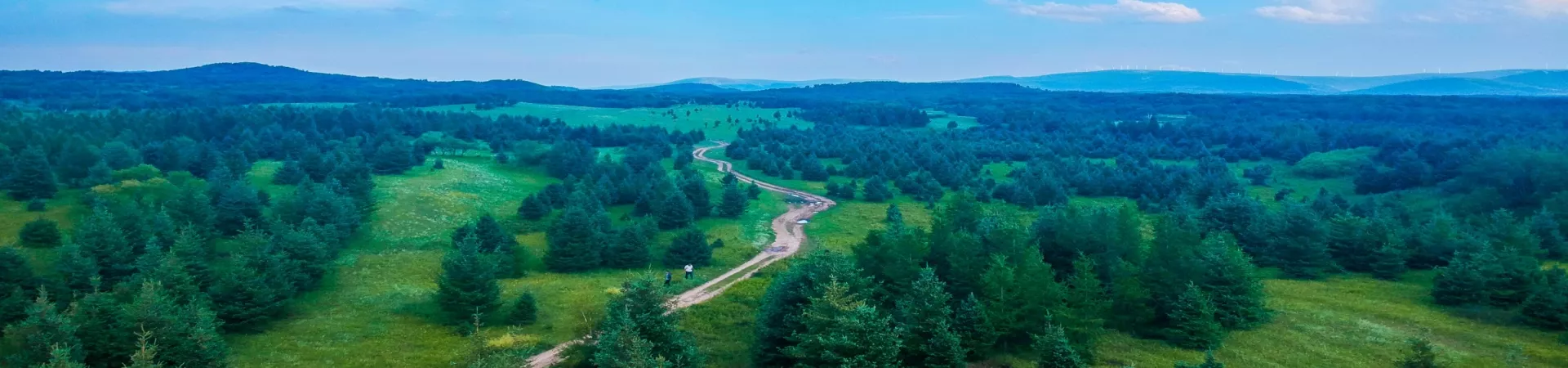
Subtitle: A Journey Through Inner Mongolia's Most Scenic Grassland Highway
Introduction: The Call of the Steppe
Nestled within the heart of Inner Mongolia, the Dada Line is not merely a road; it is a ribbon of asphalt unfurling across one of China's last great grasslands, an invitation to experience the profound beauty and nomadic soul of the Khorchin region. Stretching approximately 135 kilometers from the stunning Asihatu Stone Forest to the majestic Dalinor Lake, this highway traverses the core of the Hexigten Global Geopark. It offers travelers a front-row seat to an epic landscape where the sky dominates, the earth rolls endlessly, and time seems to slow to the pace of grazing herds. More than a scenic drive, the Dada Line is a journey into a living cultural tapestry, connecting visitors with the enduring spirit of the Mongolian steppe.
Section 1: The Route and Its Grand Landscapes
1.1. Gateway: Asihatu Granite Forest The journey traditionally begins at the Asihatu Granite Forest, a geological wonder that sets the tone for the trip. Here, millennia of wind and water erosion have sculpted granite into a surreal forest of towering pillars, some reaching over 20 meters. These natural statues, resembling everything from ancient castles to mythical creatures, stand as silent sentinels at the edge of the vast grassland, marking the dramatic transition into the Dada Line's expanse.
1.2. The Heart of the Grassland As the road dips and curves away from Asihatu, the true essence of the Dada Line reveals itself. The landscape opens into a seemingly infinite sea of green. During summer, the grassland is a vibrant carpet of wildflowers, with sweeping views that stretch to the horizon under a dome of brilliant blue sky dotted with cumulus clouds. In autumn, the scene transforms into a golden-hued wonderland, with weathered haystacks and grazing livestock adding poignant texture to the view. Key vistas, such as the White Tower area, provide elevated panoramic points, while the ever-changing light creates a dynamic spectacle from dawn to dusk.
1.3. The Destination: Dalinor Lake The western terminus of the Dada Line is the serene Dalinor Lake, a vital oasis and a birdwatcher's paradise. This large alkaline lake, with its clear blue waters contrasting sharply with the surrounding grasslands, offers a different yet equally mesmerizing beauty. It serves as a crucial habitat for migratory birds, including swans and cranes, whose presence adds a layer of vitality to the tranquil scene. The sight of the lake appearing on the horizon after hours on the grassland is a rewarding climax to the drive.
Section 2: A Cultural Tapestry on the Move
2.1. The Nomadic Heritage The Dada Line is a corridor through a living culture. The grasslands are not empty but are the home and pastureland of Mongolian herders. Travelers will frequently encounter herds of sheep, cattle, and the iconic Mongolian horses roaming freely. The sight of a traditional Mongolian ger (yurt) nestled in a distant valley, with smoke curling from its chimney, is a common and heartwarming scene that speaks to a millennia-old way of life.
2.2. Experiential Encounters The true magic of the Dada Line lies in opportunities for immersion. Many herder families welcome visitors to their gers for a taste of authentic Mongolian hospitality. Here, one can savor a cup of salty milk tea, sample local dairy products like cheese and yogurt, and, if fortunate, enjoy a feast featuring roast lamb. These interactions provide invaluable insight into the warmth, resilience, and rich traditions of the nomadic people.
2.3. Seasonal Festivities Timing a visit with local festivals can deepen the cultural experience. The annual Nadam Festival, usually held in mid-summer, is a spectacular display of Mongolian "manly sports": wrestling, horse racing, and archery. The energy, colorful traditional dress, and communal celebration along the Dada Line during this time offer an unforgettable glimpse into the vibrant cultural heritage.
Section 3: Practical Guide for the Journey
3.1. Optimal Time to Visit The prime visiting window is from late June to early October. July and August offer the lushest green grasslands and pleasant weather, while September provides stunning golden autumn colors and fewer crowds. Winters are harsh, with the road potentially closed due to snow.
3.2. Transportation and Navigation * Self-Driving: This is the most recommended and flexible way to experience the Dada Line. A reliable vehicle (SUV preferred for optional off-road exploration) is essential. While the main road is paved, downloading offline maps is crucial due to sporadic mobile signals. * Guided Tours: For those without driving options, guided tours from Jingpeng Town or Chifeng City are available, often combining the Dada Line with other Geopark attractions.
3.3. Essential Travel Tips * Accommodation: Options range from basic guesthouses in towns like Jingpeng to authentic ger camps on the grassland itself. Booking a ger camp stay is highly recommended for a full immersive experience. * Dining: Aside from herder hospitality, small roadside restaurants near settlements offer simple, hearty meals, primarily featuring mutton and noodle dishes. * Respect and Preparedness: The ecosystem is fragile. Always stay on designated roads and tracks to protect the grassland. Prepare for strong sun, sudden wind, and temperature drops. Respect local customs—always ask for permission before photographing people or entering private ger areas.
Section 4: Beyond the Pavement: Nearby Attractions
The Dada Line is the centerpiece of a richer regional exploration. Savvy travelers often combine it with other gems of the Hexigten Geopark: * Huanggangliang Forest Park: To the east, offering dense forests, cool climates, and spectacular ridge-line views. * Ulan Butong Grassland: Known for its unique sandy grassland landscape and film-shooting locations. * Xilamulun River Valley: Provides opportunities for rafting and exploring more intimate riverine scenery.
These sites complement the vast openness of the Dada Line, showcasing the remarkable geological and ecological diversity of Inner Mongolia.