Temple of Marquis
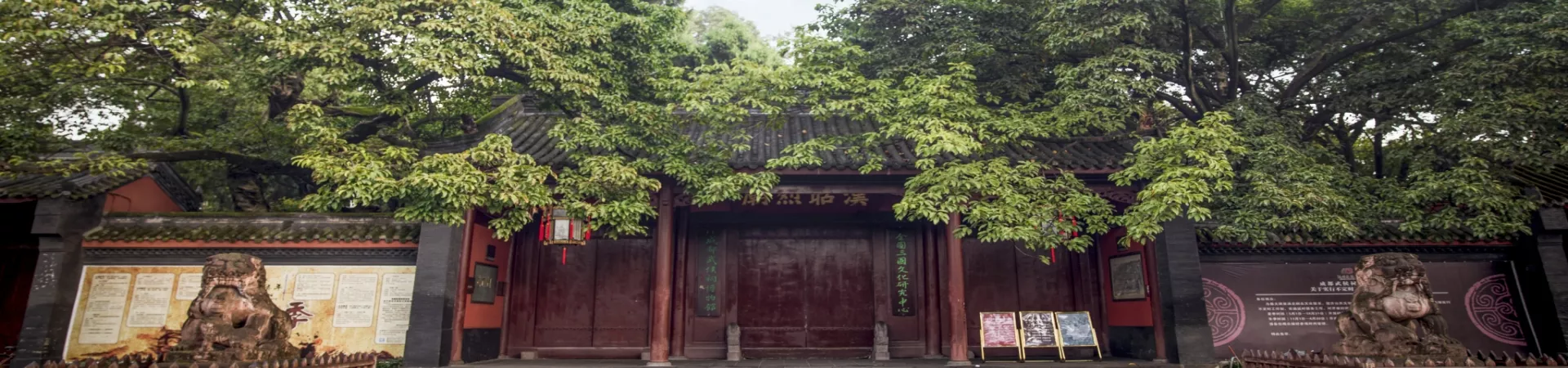
Subtitle: A Journey Through the Three Kingdoms: Exploring Chengdu's Wuhou Shrine
Introduction: The Heart of Shu-Han Legacy
Nestled in the bustling city of Chengdu, the Wuhou Shrine stands as a profound and expansive monument to the memory of the Shu-Han kingdom (221-263 AD) of the Three Kingdoms period, an era immortalized in Chinese history and literature. While globally known as the "Wuhou Shrine" in honor of the legendary strategist Zhuge Liang, whose posthumous title was Marquis Wu (Wuhou), the site is more accurately a comprehensive temple complex. It historically merged with the adjacent Han Zhaolie Temple during the early Ming Dynasty, creating a unified sanctuary dedicated to both the founder, Emperor Liu Bei (posthumously known as Zhaolie), and his revered chancellor. Today, it functions as the most influential museum of Three Kingdoms relics in China, offering visitors a tangible connection to the heroes, stories, and spirit of one of the nation's most romanticized historical epochs.
1. Layout and Architectural Composition
The complex is meticulously organized along a traditional north-south central axis, guiding visitors on a symbolic journey through history and hierarchy. It comprises three main integrated parts: the Han Zhaolie Temple, the Wuhou Shrine proper, and the Hui Tomb (惠陵), the burial mound of Emperor Liu Bei.
1.1. The Central Axis: A Walk with Emperors and Ministers The progression through the main halls follows a deliberate order: * Main Gate and Second Gate: These imposing gates mark the entrance, setting a tone of reverence and antiquity. * Liu Bei Hall (刘备殿): The first major hall is dedicated to Liu Bei, the founding emperor of Shu-Han. His statue dominates the space, flanked by sculptures of his son and grandson. The eastern and western galleries of this courtyard house 28 painted clay sculptures of notable civil officials and military generals from his reign, creating a vivid assembly of Shu-Han's elite. * Passage Hall: This corridor serves as a transitional space, both architecturally and narratively, leading from the emperor's domain to that of his most famous subject. * Zhuge Liang Hall (诸葛亮殿): The architectural and emotional climax of the axis. More intimate yet deeply atmospheric, this hall honors Zhuge Liang, the "Crouching Dragon." His statue, adorned with a golden cape and holding a feather fan, captures his image as the wise and loyal statesman. Statues of his son and grandson stand beside him, underscoring the family's service and sacrifice. The hall's couplets and plaques are among the most celebrated in China, eloquently praising his wisdom, integrity, and unwavering dedication. * Sanyi Temple (三义庙): Located further north, this later addition commemorates the "Oath of the Peach Garden," the sworn brotherhood between Liu Bei, Guan Yu, and Zhang Fei, which forms the core bond of the Shu-Han narrative.
1.2. The Hui Tomb To the southwest of the temple complex lies the tranquil, tree-covered mound of Hui Tomb, the final resting place of Liu Bei and two of his wives. Encircled by a quiet wall and garden, it provides a somber and reflective counterpoint to the temple halls.
2. Cultural and Historical Significance
The Wuhou Shrine is far more than an architectural site; it is a cultural touchstone. It enshrines the Chinese ideals of wisdom, loyalty, righteousness, and benevolent rule through its dedication to Zhuge Liang and Liu Bei. The complex's evolution—from separate temples to a merged entity—reflects the inseparable link between the ruler and his most capable minister in the public imagination. With over 50 statues of Shu-Han heroes, it serves as a three-dimensional hall of fame. The numerous steles, inscriptions, and relics displayed throughout the grounds, including the famed "Triple Success" stele, offer deep insights into the historical assessments and enduring legacy of this period. The atmosphere is one of scholarly reflection and popular reverence, attracting history enthusiasts, readers of the classic "Romance of the Three Kingdoms," and general visitors alike.
3. Practical Visitor Information
3.1. Ticket Information * Adult Ticket: 50 RMB (Full-price ticket); 100 RMB (Annual pass). * Concession Tickets (Half-price): Available for minors aged 6-18, full-time students holding valid student ID cards (including undergraduate and below). * Free Admission: Applies to seniors (Chengdu residents, and all visitors aged 60 and over), children (6 years old and below or height 1.3m and below), military personnel, disabled individuals, veterans, and organized student groups (15+ persons with valid documentation). Please note: All ticket information is for reference. It is strongly advised to verify prices and policies on the official website or at the ticket office on the day of your visit.
3.2. Opening Hours * General Operating Hours: 09:00 - 18:00 (Last entry at 17:00). This applies to most of the year. * Extended Summer Hours (Typically early July to early October): The core cultural relics area often opens from 08:30 to 18:30 (last ticket sale at 17:30). The adjacent "Jinli" folk culture area (sometimes referred to as the West Zone) may have extended hours, e.g., 09:00-21:00. * Important: Schedules can change. Always check the official scenic area announcements for the most current opening times before your trip.
3.3. Transportation Guide Reaching the shrine is convenient via Chengdu's public bus system: * Primary Route: Take bus numbers 1, 334, 335, 57, or 77 and alight at the "Wuhouci" (武侯祠) station. The main entrance is a short walk away. * Alternative Route: Bus numbers 8, 21, or 间7路 stop at "Wuhouci Dongjie" (武侯祠东街) station, also within walking distance of the complex. * The site is also accessible by taxi or ride-hailing services and is located near the city center, making it a straightforward destination.
3.4. Suggested Duration A comprehensive visit to explore the main halls, the tomb, admire the sculptures and steles, and absorb the historical ambiance typically requires 1.5 to 3 hours. Allocating sufficient time allows for a more meaningful experience beyond a hurried walk-through. The adjacent Jinli Ancient Street, a vibrant recreation of ancient-style architecture now housing shops and snack stalls, can easily extend your visit for additional hours if desired.