Qingyang Palace
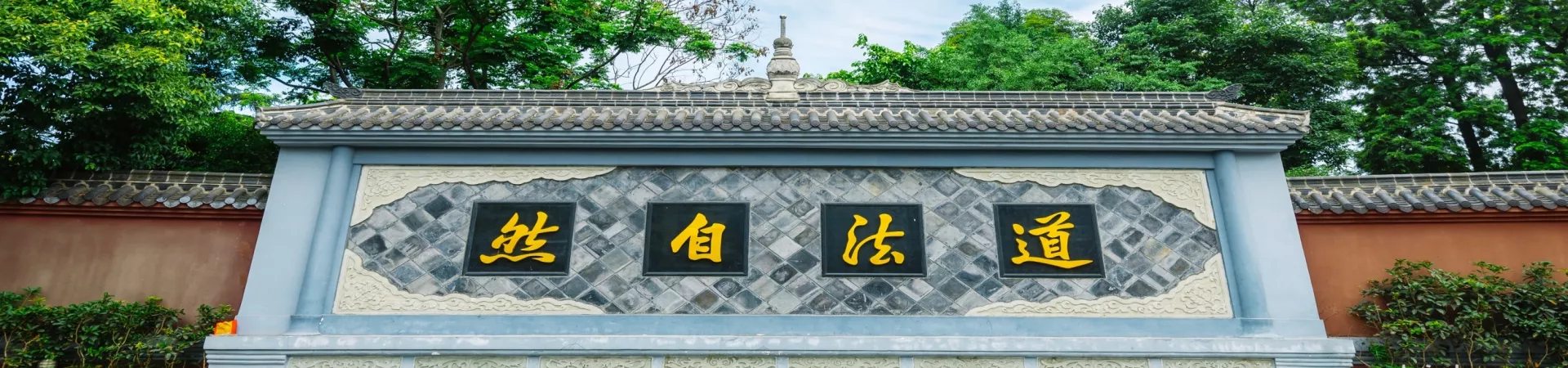
A Visitor's Guide to Qingyang Palace (Green Goat Palace), Chengdu
Nestled within the serene confines of Chengdu's Culture Park, the Qingyang Palace, or the Green Goat Palace, stands as a profound testament to China's enduring Taoist heritage. More than just a historical site, it is a living center of spiritual practice, local culture, and architectural beauty, offering visitors a tranquil escape from the city's modern bustle.
History and Significance: A Taoist Beacon Through the Ages * Origins and Reconstruction Qingyang Palace's history is deeply rooted in antiquity, with its founding traditionally traced back to the Zhou Dynasty (1046–256 BC). While its ancient foundations set the stage, the majority of the complex's existing halls and pavilions date from the Qing Dynasty (1644–1912), having been meticulously reconstructed during that period. This architectural timeline is visibly etched into its ornate roofs, carved beams, and peaceful courtyards. Its historical and religious importance has earned it the revered title of "The First Taoist Temple in Western Sichuan," a moniker that speaks to its central role in the region's spiritual life. * A Treasury of Sacred Texts Beyond its physical structures, Qingyang Palace safeguards an intellectual treasure of immense value. It houses the incredibly precious woodblock plates for the Dao Zang Ji Yao (Essentials of the Daoist Canon), carved during the reign of Emperor Guangxu in the late 19th century. This collection represents the most complete surviving set of printing blocks for Taoist scriptures in China, making the palace a vital repository of Taoist philosophy, liturgy, and alchemical knowledge. The preservation of these plates underscores the temple's status as a guardian of a profound philosophical tradition.
Key Highlights and Spiritual Experience * The Legendary Bronze Green Goats The heart of the visitor experience often lies within the Sanqing Hall (Hall of the Three Pure Ones). Here, two iconic bronze goats captivate all who see them. The left goat, in particular, is shrouded in legend. It is said to be the transformation of a servant boy of the Green Emperor (Qingdi), possessing mystical healing powers. A cherished local belief holds that by touching the part of the bronze goat corresponding to one's own ailment, the pain or illness can be alleviated. The smooth, shiny patches on the statue's surface, worn by countless touches over centuries, are a silent witness to this enduring folk practice and the hopes of generations of pilgrims. * Atmosphere and Local Life Stepping into the temple grounds, one is immediately enveloped in an atmosphere of serene devotion. The air carries the subtle, comforting scent of incense, which curls from burners in front of altars dedicated to Taoist deities. The murmur of prayers and the soft chimes create a soundscape of peace. Importantly, Qingyang Palace is not merely a tourist destination; it is an integral part of the local community. It is common to see Chengdu residents spending leisure time within its walls, practicing tai chi in the courtyards, chatting quietly, or simply enjoying the tranquility—a beautiful blend of sacred space and public park.
Essential Visitor Information
Getting to Qingyang Palace The temple is conveniently accessible via Chengdu's public transport network. * By Bus: Multiple bus lines, including 34, 42, and 58, stop at the "Metro Qingyang Gong Station" (Qingyang Palace Metro Station bus stop). A short walk from the bus stop will lead you to the entrance. * By Metro: Taking Metro Line 5 is highly efficient. Alight at Qingyang Palace Station (Exit C or D), and the temple is within easy walking distance.
Admission Fees (For Reference) Please note that fees are subject to change; verifying at the ticket office is recommended. * Standard Ticket: 10 RMB (Applicable year-round). * Concession Ticket (Half-price): Full-time students holding a valid student ID card. * Free Admission: Granted to: * Children under 1.2 meters in height. * Seniors aged 60 and over with valid ID. * Active-duty military personnel and individuals with disabilities (with valid certificates). * Emergency management personnel (with relevant valid certificates).
Opening Hours The temple operates on seasonal schedules: * Summer Season (Approx. May - Oct): 08:00 - 18:00, with last entry at 17:30. * Winter Season (Approx. Nov - Apr): 08:00 - 17:30, with last entry at 17:00. It is advisable to allocate at least 1 to 2 hours for a thorough visit to appreciate the architecture, artifacts, and peaceful ambiance fully.
A visit to Qingyang Palace is a journey into the spiritual heart of Chengdu. It allows one to touch the textured history of Taoism, interact with living folk traditions, and observe the seamless integration of ancient faith into the daily rhythm of contemporary life. From its sacred halls and legendary artifacts to its role as a community haven, the palace offers a multifaceted and deeply authentic cultural experience.