Kuanzhai Alley
Subtitle: A Journey Through Time: Exploring Kuanzhai Alley, Chengdu's Living Heritage Quarter
Introduction: The Heart of Old Chengdu
Nestled in the bustling modern metropolis of Chengdu, the Kuanzhai Alley (Kuanzhai Xiangzi) stands as a serene and captivating portal to the city's rich past. More than just a tourist destination, it is a meticulously preserved historical and cultural conservation area, offering an immersive experience into the leisurely soul of Sichuan's capital. Comprising three parallel alleys—Kuan Alley (Wide Alley), Zhai Alley (Narrow Alley), and Jing Alley (Well Alley)—this district represents one of the few remaining large-scale architectural relics from the Qing Dynasty (1644-1912) in Chengdu. A visit here is not merely a walk through old streets; it is a sensory journey through time, where the echoes of history blend seamlessly with the vibrant, laid-back lifestyle that defines contemporary Chengdu.
Section 1: The Three Alleys - Distinct Characters, One Harmony
The genius of Kuanzhai Alley lies in the distinct personality and function of each of its three lanes, together forming a complete tapestry of Chengdu's urban culture.
1.1 Kuan Alley (Wide Alley): The Soul of Tradition Kuan Alley is the guardian of the district's most intact and numerous traditional Qing-era courtyard homes (siheyuan). Here, time seems to slow down. The alley is dedicated to preserving and showcasing the authentic "old Chengdu" lifestyle. Visitors can step into traditional teahouses, settle into a bamboo chair, and savor a cup of fragrant jasmine tea using a classic covered bowl (gaiwan), just as locals have done for generations. This is also the place to experience refined Sichuan cuisine in restaurants housed within beautifully restored historical buildings, where the architecture itself tells a story. Kuan Alley is the quintessential space for experiencing the city's famed culture of relaxation and historical depth.
1.2 Zhai Alley (Narrow Alley): A Blend of East and West Zhai Alley presents a fascinating chapter of cultural fusion. While retaining structures from the late Qing and early Republican periods, it is characterized by the presence of early Western-style buildings, reflecting a period of opening and exchange. This alley has been developed as a "slow life"品味区 (pin wei qu), or tasteful leisure zone. It is the district's hub for boutique cafes, stylish wine bars, international dining, art galleries, and chic souvenir shops. The atmosphere here is one of cosmopolitan elegance, where the historical framework provides a unique backdrop for modern artistic expression and leisurely socializing, embodying Chengdu's ability to harmonize tradition with contemporary trends.
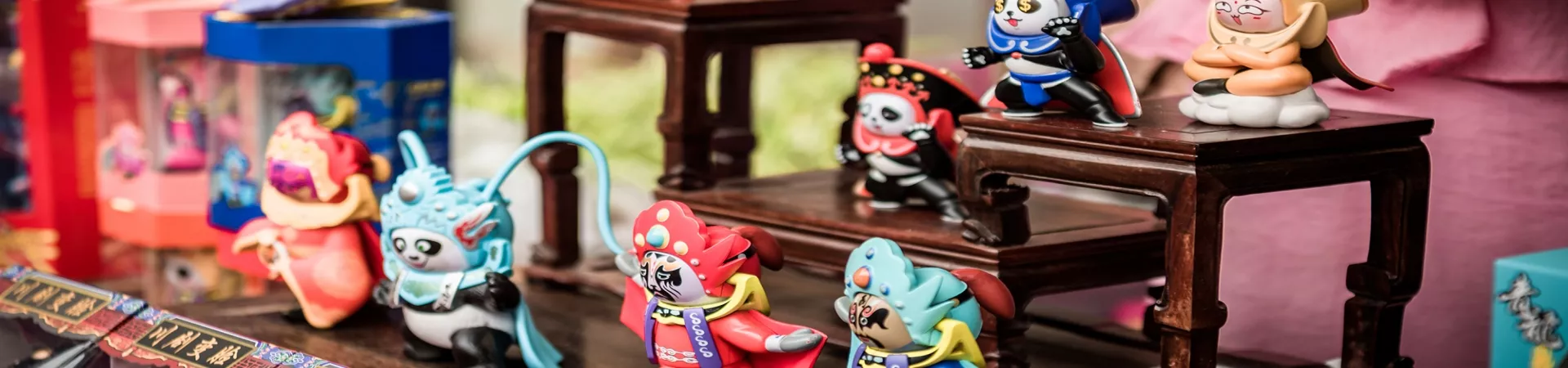
1.3 Jing Alley (Well Alley): The Folk Life Canvas Jing Alley offers the most vivid and dynamic slice of local life. It serves as a microcosm of Chengdu's folk culture. Its most striking feature is the magnificent "Brick Culture Wall," a long, sculptural installation that uses ancient bricks, tiles, and relics to narrate the city's history in a visually stunning and tactile manner. Beyond this artistic centerpiece, Jing Alley buzzes with the energy of a traditional market. It is the best spot to dive into Chengdu's legendary street food scene, sampling local snacks like dan dan mian (spicy noodles), chuan chuan (hot pot skewers), and sweet rice cakes. Stalls also sell folk crafts and playful souvenirs, making it the ideal place for immersive, sensory exploration.
Section 2: Essential Visitor Information
2.1 Location and Transportation Kuanzhai Alley is located in Qingyang District, central Chengdu, and is easily accessible via public transport. * By Metro (Recommended): Take Line 4 and alight at Kuanzhai Alley Station. Exit and walk approximately 300 meters. Alternatively, take Line 2 to People's Park Station and walk about 400 meters. * By Bus: Multiple bus routes serve the area. Alight at stops like Shiye Street (实业街站) or Changshunzhong Street (长顺中街站) on routes 62, 70, 93, 163, or 340, and walk roughly 320 meters.
2.2 Admission and Opening Hours One of the great advantages of Kuanzhai Alley is its free and open accessibility. * Admission: Free of charge. * Opening Hours: The alleys are accessible to the public 24 hours a day, every day of the year. Note that while the outdoor lanes are always open, operating hours for individual shops, restaurants, and teahouses vary, typically from around 9:00 AM until late evening.
2.3 Suggested Duration and Contact * Time Recommended: A thorough exploration to fully appreciate the architecture, enjoy a meal or tea, and browse the shops requires 1 to 3 hours. It is equally enchanting in the daytime and when lit by lanterns at night. * Contact: For general inquiries, you may contact the management at 028-86259233 or 028-66355355.
Section 3: Experiencing the Alleys: Beyond Sightseeing
3.1 Culinary and Tea Culture Immersion To truly connect with Chengdu, participatory experiences are key. In Kuan Alley, prioritize sitting in a teahouse to people-watch and enjoy the ritual of tea. In Zhai Alley, allow time for a coffee or a cocktail in one of its atmospheric courtyards. Across all alleys, but especially in Jing Alley, be adventurous with street food—it is the heart of local culinary tradition.
3.2 Architectural and Historical Appreciation Take moments to look beyond the shop fronts. Observe the intricate grey brickwork, wooden gates, carved eaves, and stone foundations. The contrast between the solemn traditional courtyards of Kuan Alley and the ornate Western facades in Zhai Alley provides a tangible history lesson on urban development. The Brick Culture Wall in Jing Alley is an open-air museum in itself and deserves focused attention.
3.3 Navigating the Atmosphere Kuanzhai Alley can be crowded, especially on weekends and holidays. For a slightly more tranquil experience, consider visiting on a weekday morning. The area is very walkable, but comfortable shoes are recommended due to the ancient stone paving. While the main lanes are the arteries, don't hesitate to glance into the quieter connecting passages for more intimate glimpses of local life.
Section 4: A Living Cultural Heritage
Kuanzhai Alley succeeds because it is not a static museum piece. It is a living, breathing community where history provides the stage for daily life. It encapsulates the dual essence of Chengdu: a deep, proud reverence for history and tradition, coupled with an effortless embrace of comfort, pleasure, and modern creativity. Whether you are seeking historical insight, culinary adventure, artistic inspiration, or simply the pleasure of a slow stroll in a beautiful setting, Kuanzhai Alley offers a multi-layered experience that remains an indispensable chapter in the story of any visit to Chengdu.
Information last updated: June 29, 2023. Credit to contributor lihe1799.