Jinli
Subtitle: A Journey Through Time: Exploring Jinli Ancient Street, Chengdu's Living Cultural Heart
Introduction: The Soul of Chengdu in One Street
Nestled adjacent to the solemn and historically profound Wuhou Shrine Museum, Jinli Ancient Street stands as a vibrant artery of culture, commerce, and culinary delight. More than just a popular tourist destination, it is a living, breathing embodiment of Chengdu's leisurely spirit and a gateway to its rich, millennia-old history. This meticulously reconstructed ancient street, echoing the architectural style of the Qing Dynasty, offers visitors a captivating escape from the modern city. It is a place where the past is not merely observed but experienced—through the scent of sizzling snacks, the skillful hands of folk artisans, the warm glow of lanterns, and the lively hum of conversation from traditional teahouses. A visit to Jinli is an essential, immersive chapter in any Chengdu itinerary, promising a feast for the senses and a deep connection to the local way of life.
Section 1: A Tapestry of History and Culture
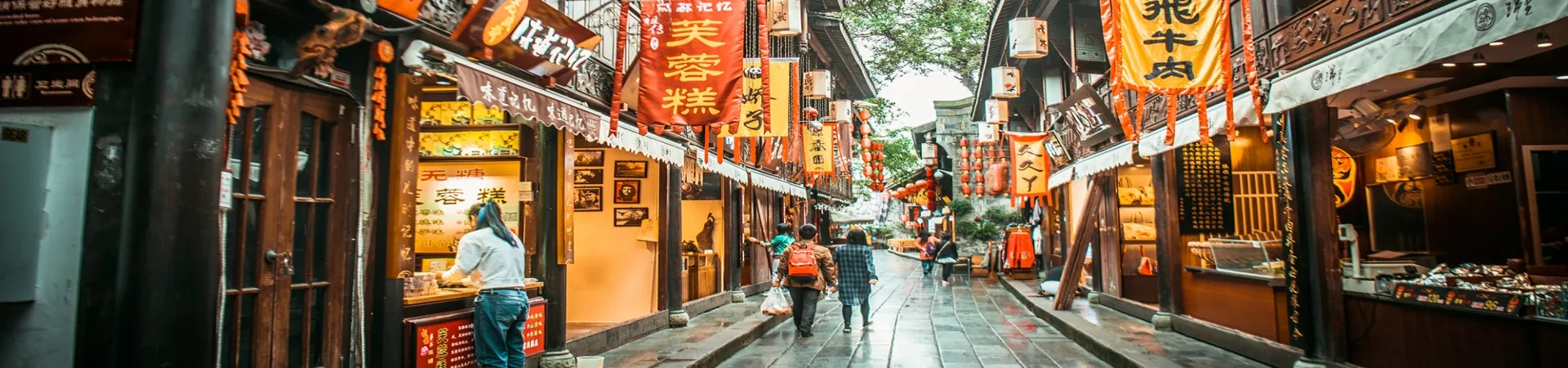
1.1. The Historical Connection: An Extension of Wuhou Shrine Jinli's significance is intrinsically linked to its famous neighbor, the Wuhou Shrine, a temple complex commemorating the heroes of the Three Kingdoms period (220-280 AD). Historically, the area around the shrine was believed to be one of the oldest commercial streets in Western Sichuan. The modern Jinli street revives this legacy, serving as a cultural and commercial extension of the museum. As you walk from the shrine's contemplative gardens into the bustling lane of Jinli, you transition from reading about history to stepping into a dynamic recreation of it. The street itself is a curated cultural exhibit, with its black-tiled roofs, grey brick walls, wooden storefronts, and hanging crimson lanterns meticulously designed to transport you back in time.
1.2. Living Heritage: Folk Art and Handicrafts One of Jinli's most enchanting aspects is its celebration of Sichuan's intangible cultural heritage. Scattered throughout the street are master artisans practicing time-honored crafts. You can witness the mesmerizing art of sugar painting, where molten sugar is swiftly drizzled onto a marble slab to create edible, intricate figures of animals, flowers, and even characters from Chinese legends. Similarly, the craft of clay figurine molding brings lumps of colored clay to life, transforming them into vivid, miniature sculptures of opera characters, mythical beasts, and adorable modern motifs. These are not just performances; they are active preservation efforts, and purchasing a piece supports the continuation of these ancient arts. Numerous shops also specialize in Three Kingdoms-themed souvenirs, from calligraphy sets and replica weapons to chessboards and figurines, allowing you to take a tangible piece of Shu Han history home.
Section 2: A Culinary and Social Adventure
2.1. The Sichuan Snack Paradise To visit Jinli without indulging in its food is to miss its very essence. The street is a legendary open-air food court, offering a concentrated, walkable tour of Sichuan's famed and fearless cuisine. The air is thick with enticing aromas—spicy, savory, sweet, and pungent. Here, you can graze on dozens of local specialties from small stalls and shops. Must-try delicacies include "Dan Dan" noodles (spicy, peanutty minced pork over noodles), Chuan Chuan Xiang (skewers of meat and vegetables boiled in a numbing-spicy broth), Lai Tang Yuan (glutinous rice balls filled with sweet or savory fillings in soup), and San Da Pao (a sweet dessert of sticky rice balls rolled in soybean, sesame, and peanut powder). It's a culinary adventure where bold flavors reign supreme.
2.2. Teahouses, Cafes, and the Art of Relaxation Beyond the quick bites, Jinli provides ample space for the quintessential Chengdu activity: relaxation. Traditional teahouses are sanctuaries of calm, where you can sit on bamboo chairs, sip a cup of fragrant Jasmine tea or local Zhuyeqing, and watch the world go by. For a blend of old and new, charming cafes offer locally roasted coffee in a distinctly Sichuan-style setting. As evening falls, the atmosphere subtly shifts; soft lights from bars and pubs begin to twinkle, offering a place for a cocktail or local beer in a uniquely ancient backdrop. This seamless blend of options—from serene daytime tea to lively evening drinks—caters to every mood and moment, perfectly illustrating the city's "巴适" (bā shì) or comfortable lifestyle.
Section 3: Practical Information for Your Visit
3.1. Getting There: Transportation Guide Jinli is centrally located and easily accessible by Chengdu's efficient public bus system. Key bus routes that will bring you close include: * To Wuhouci Station: Take bus numbers 77, 82, 334, 335, or G97. * To Wuhouci East Street Station: Take bus numbers 8, 21, or Night Line 7. From either stop, Jinli's distinctive entrance archway is just a short and well-signposted walk away. Given its central location, ride-hailing apps are also a very convenient option.
3.2. Hours, Fees, and Best Time to Visit * Opening Hours: The street is technically open 24 hours, with shops and stalls generally operating from around 9:00 AM until 10:00 PM or later. The most vibrant atmosphere is from late morning through the evening. * Admission: Entry to Jinli Ancient Street is free of charge. However, please note that if you are visiting during special temple fair periods (particularly around the Chinese New Year or other festivals), a separate entrance ticket may be required. It is always advisable to check for any temporary notices or announcements at the entrance during these times. * Recommended Visit Duration: Allocate 1 to 3 hours to fully experience Jinli. This allows enough time to stroll, sample several snacks, browse the shops, and enjoy a drink while people-watching.
3.3. The Magic of Twilight: Photography and Atmosphere While delightful at any time, Jinli truly unveils its magic in the hour after dusk. As daylight fades, hundreds of traditional red and gold lanterns are illuminated, casting a warm, romantic glow on the cobbled lanes and wooden facades. The reflections in the street's shallow canals and ponds create stunning photographic opportunities. The crowds often thin slightly, and the pace becomes more leisurely. This is the perfect moment to capture the timeless beauty of the street, enjoy a moonlit stroll, or settle into a second-floor cafe with a balcony view to soak in the enchanting panorama. This transformation from a bustling daytime market to a poetic, lantern-lit dreamscape is an experience not to be missed.
Information last updated: August 3, 2023. Credit and thanks to contributing users Prkgy, Yi Nian, and C. for their inputs.