Du Fu's Thatched Cottage
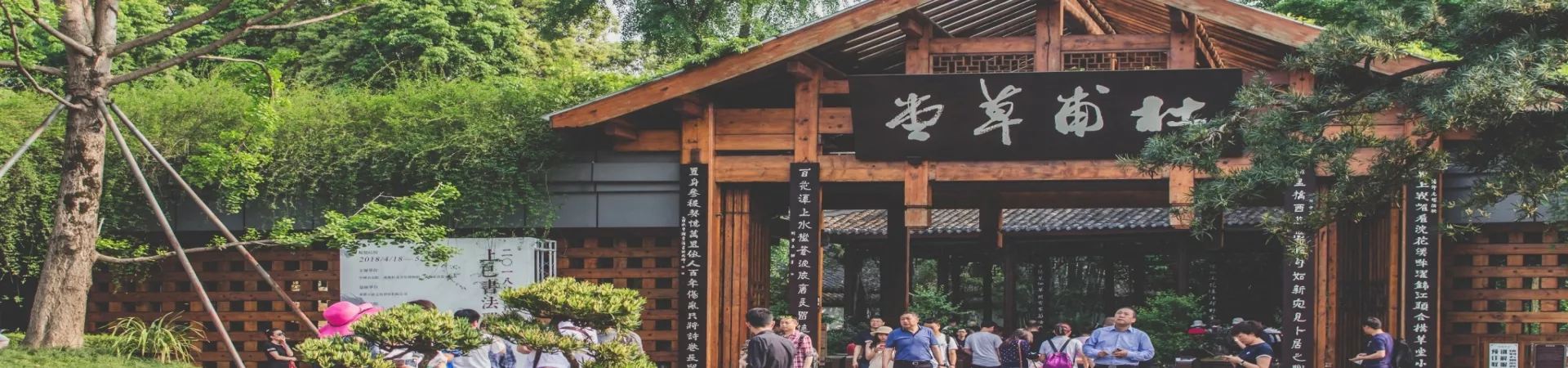
A Journey to the Sacred Ground of Chinese Poetry: Du Fu Thatched Cottage Museum
Nestled in the bustling modern city of Chengdu, the Du Fu Thatched Cottage Museum (杜甫草堂博物馆) stands as a serene and profound testament to one of China's greatest literary minds. More than just a museum, it is a cultural pilgrimage site, revered as the "sacred ground" of Chinese poetry. This is where Du Fu (712-770 AD), a paramount poet of the Tang Dynasty revered as the "Poet Sage," found refuge during a period of turmoil. His four-year residence in this humble abode was a time of immense creative output, resulting in over 240 poems that poignantly captured the essence of human suffering, natural beauty, and social conscience. Visiting the cottage is not merely a tour of a historical site; it is an immersive step into the world that inspired some of the most enduring verses in Chinese literary history.
The Historical Legacy: From Humble Dwelling to National Treasure
The site you visit today is a layered chronicle of national reverence. The original thatched cottage, built by Du Fu himself in 759 AD, did not survive the passage of time. However, its spiritual and cultural significance ensured its legacy would be preserved. The current expansive garden and complex are the result of meticulous restoration and expansion efforts undertaken successively during the Song, Yuan, Ming, and Qing dynasties. Each era contributed to its form, transforming the poet's personal sanctuary into a public monument of collective memory. The 19.6-hectare grounds now embody a traditional Chinese garden aesthetic, where historic pavilions, halls, and bridges harmonize with ancient, towering trees, tranquil ponds, and winding bamboo-lined paths, creating an atmosphere of contemplative peace.
Exploring the Grounds: Architectural and Artistic Highlights
The museum's layout guides visitors through a journey that intertwines architecture, poetry, and calligraphy. Key structures are arranged along a central axis, each serving as a chapter in the story of Du Fu's legacy.
The Main Halls and Memorials * The Grand Office (大廨): This first major hall sets the tone. It houses a solemn, imposing statue of Du Fu, capturing his dignified and worried demeanor, reflecting his deep concern for his country and its people. * The Hall of Poetic History (诗史堂): The central and most significant hall. Its name acknowledges Du Fu's poems as "historical records in verse," chronicling the social realities of his turbulent era. Couplets penned by later scholars adorn the pillars, and statues of Du Fu and other celebrated poets stand inside. * The Ministry of Works Ancestral Hall (工部祠): Located at the rear of the complex, this hall was built to honor Du Fu, who once held a minor official post in the Ministry of Works ("Gongbu"). It also commemorates two other poets associated with Sichuan, Huang Tingjian and Lu You, creating a space dedicated to poetic genius across generations.
The Du Fu Calligraphy and Woodcut Gallery (杜诗书法木刻廊) This elegant, elongated corridor is a unique treasure. It displays over a hundred wooden plaques engraved with Du Fu's poems, each piece featuring the work of a different renowned calligrapher from various dynasties. It is a stunning visual symphony where the art of poetry meets the art of brushwork, offering a fascinating perspective on the interpretation and celebration of Du Fu's words through centuries.
The Reconstructed Thatched Cottage Beyond the formal halls lies the heart of the experience: the reconstructed Thatched Cottage. Based on historical descriptions and the characteristics of Western Sichuan folk architecture, this cluster of simple buildings—including a study, bedroom, and kitchen—recreates the modest environment where Du Fu lived and wrote. Surrounded by a bamboo fence and vegetable patches, the thatched-roof structures symbolize the poet's connection to a simple, rustic life amidst personal and national hardship. This cottage has become the iconic and most evocative image of the entire museum.
Practical Information for Your Visit
Getting There The museum is conveniently accessible via Chengdu's public transport system. The easiest way is to take Metro Line 4 and alight at Caotang Beilu Station. From there, it is a short and pleasant walk to the museum's entrance. Alternatively, several public bus routes serve the area, including bus 1024, which stops directly at the Du Fu Thatched Cottage Museum Station.
Admission Fees * Standard Ticket: 50 RMB (Adult). * Concession Ticket: 25 RMB. Applies to children aged 6-18 (inclusive), and full-time students holding valid student ID (undergraduate degree and below). * Free Admission: Granted to several categories including: seniors aged 60 and above (with ID); children 6 and under or under 1.3 meters tall; active military personnel, police, and firefighters (with ID); individuals with disabilities (with ID); and veterans with relevant certificates. It is advisable to bring original identification documents for verification. * Note: All ticket information is subject to change. Please verify the latest prices and policies at the official ticket office before your visit.
Opening Hours The museum's opening hours vary slightly by season: * April 1st - October 31st: 8:30 - 18:30 (last entry at 17:30). * November 1st - March 31st: 9:00 - 18:00 (last entry at 17:00). * Note: The museum is open year-round, including Mondays. Hours are subject to adjustment, so checking ahead is recommended.
Suggested Duration A comprehensive visit to explore the halls, gardens, and cottage at a leisurely pace typically requires 2 to 3 hours. Visitors with a deep interest in poetry, calligraphy, or classical gardens may wish to allocate more time.
A trip to the Du Fu Thatched Cottage Museum offers a rare opportunity to walk in the footsteps of literary greatness. It is a place where the whispers of history are heard in the rustling bamboo, and the power of words, composed over a millennium ago, continues to resonate profoundly in the quiet corners of a Chengdu garden.