Chengdu People's Park
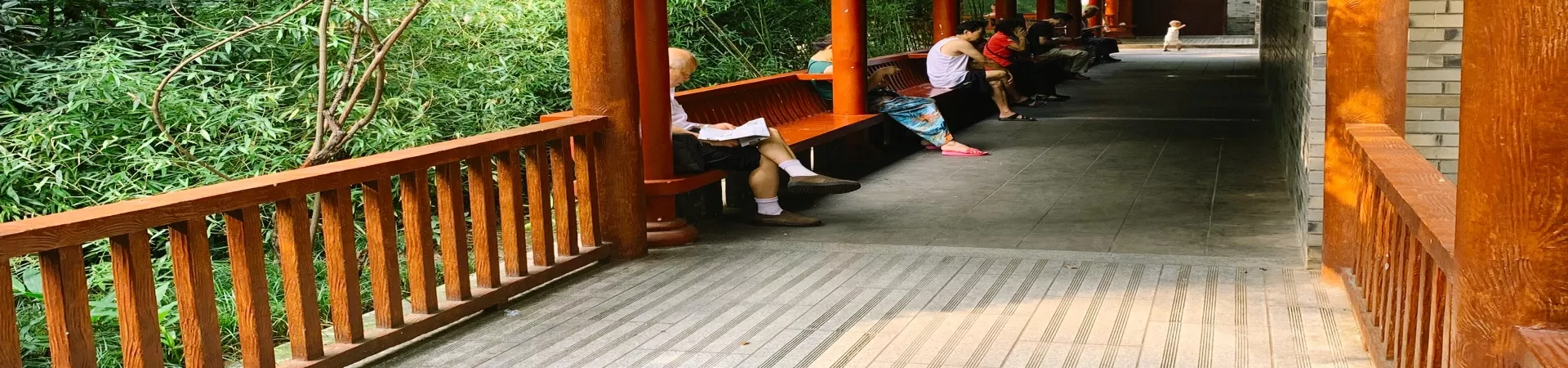
Subtitle: A Living Tapestry of Chengdu's Leisure Culture
1. Introduction: The Heartbeat of Chengdu
Nestled amidst the modern urban sprawl of Chengdu's city center, the People's Park (Renmin Park) is far more than a simple green space. It is the vibrant, pulsating heart of the city's legendary laid-back culture, a microcosm where the essence of Chengdu's "休闲之都" (Leisure Capital) identity is on full display. This comprehensive garden seamlessly blends historical heritage, natural beauty, and social tradition, offering visitors an authentic and immersive window into the local lifestyle. For over a century, it has served as the quintessential gathering place for Chengdu residents to unwind, socialize, and savor life's slow moments over a cup of tea.
2. Exploring the Park's Landscape and Layout
2.1. A Symphony of Nature: Streams and Gardens The park's design is a classic example of Chinese garden artistry, emphasizing harmony between man-made structures and the natural world. The Jinshui Stream (金水溪) meanders gracefully through the grounds, its gentle flow providing a constant, soothing soundtrack. The banks of the stream are meticulously lined with a diverse array of vegetation, including willows, bamboos, and various flowering shrubs, creating a picturesque scene that changes with the seasons. Complementing this is the Bonsai Garden (盆景园), a dedicated space showcasing the exquisite art of penjing. Here, meticulously shaped miniature trees and landscapes in pots demonstrate a profound respect for nature and patient cultivation, reflecting a broader philosophical approach to life.
2.2. Cultural Hubs: Islands and Tea Houses The park's waterways lead to its cultural cores. The Goldfish Island (金鱼岛), seamlessly integrated with the Yongju Tea House (永聚茶社), forms a unique cultural venue dedicated to appreciation and contemplation. The island is home to a living collection of over ten rare and prized varieties of goldfish, their vibrant colors gliding through the water, offering a tranquil visual delight. Visitors can admire these aquatic jewels while enjoying a traditional cup of tea at the adjoining tea house, perfectly blending the pleasures of observing nature with the ritual of tea drinking.
3. The Iconic Tea Culture Experience
3.1. Heming Tea House: A Century of Tradition Undoubtedly the most famous landmark within the park is the Heming Tea House (鹤鸣茶社). For nearly a hundred years, its style and essence have remained charmingly unchanged, resisting the rush of modernity. Its sprawling open-air area is a sea of classic bamboo chairs and low tables, a setup designed for ultimate relaxation and conversation. The air is thick with the chatter of locals and the aroma of steeping tea leaves.
3.2. The Art of "Gaiwan Cha" and Xiangpian The standard serving here is the "Gaiwan Cha" (盖碗茶), a three-piece set consisting of a lid, bowl, and saucer. Using the lid to skim the leaves and hold them back while sipping is an art in itself. While a variety of teas are available, Heming's most celebrated and signature offering is the "Xiangpian" (香片), a high-quality jasmine-scented green tea. The process of ordering a cup, having a waiter expertly refill your hot water with a long-spouted copper kettle, and slowly savoring the fragrant brew is the definitive People's Park experience. It is here, amidst the clinking of porcelain and the hum of daily life, that one truly understands the Chengdu philosophy of taking time to enjoy simple pleasures.
4. Practical Visitor Information
4.1. Getting There: Accessibility and Transport Chengdu People's Park is exceptionally well-connected via the city's efficient public transportation network. * By Metro: The most convenient method is to take Metro Line 2 and alight at Renmin Park Station. Exit B is closest, and it is a mere 5-minute walk (approx. 273 meters) to the park entrance. * By Bus: Numerous bus routes stop nearby, including lines 53, 70, 93, 340, and the Jinjiang Park Inner Loop. Disembark at the People's Park bus stop, from where it is a 3-4 minute walk (approx. 219 meters).
4.2. Admission and Opening Hours One of the park's greatest features is its accessibility. Admission is completely free, making it a public space truly for the people. The park is open 24 hours a day, every day of the year, allowing for visits at any time, from morning exercise routines to evening strolls. However, the tea houses typically operate during daylight hours.
4.3. Suggested Duration and Tips To properly absorb the atmosphere, a visit of 1 to 3 hours is recommended. This allows time not only for a leisurely tea session but also for a stroll around the gardens, people-watching, and perhaps even joining locals in activities like dancing or calligraphy on the square. Mornings are lively with exercises and dancing, while afternoons are the peak time for tea culture. Weekends are busiest with families. There is no need to rush; the primary purpose of a visit is to sit down, blend in, and embrace the slow, unhurried pace that defines this iconic space.