Hongmei Park
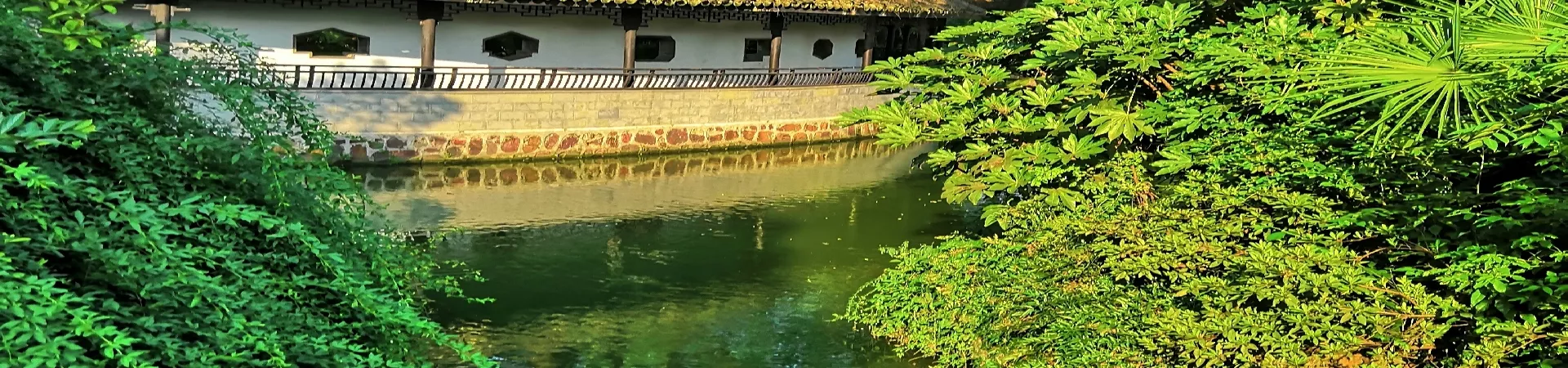
Subtitle: A Classical Garden Oasis in the Heart of Changzhou
Introduction: From Temple Garden to Public Haven
Nestled immediately to the north of the revered Tianning Temple, Hongmei Park (Red Plum Park) stands as the largest and most cherished public park within Changzhou's urban core. Its origins are deeply intertwined with the city's spiritual history, having been developed on the former garden grounds of the Tianning Temple complex. This historical foundation is palpable throughout the park, offering visitors a unique blend of classical Chinese horticulture, historic architecture, and vibrant community life. More than just a green space, Hongmei Park serves as a living canvas where nature, history, and the daily rhythms of the city converge, providing an easily accessible retreat for relaxation, exercise, and cultural exploration.
Park Layout & Strategic Access Points
The park's design is a testament to classical Chinese garden aesthetics, emphasizing harmony between natural and man-made elements. Serpentine pathways wind around the central lake, over charming bridges, and through meticulously landscaped sections featuring rockeries, lush groves, and seasonal flower displays. A key feature for visitors is the strategic placement of its multiple entrances, which can significantly shape your experience:
- The South Gate (For History & Culture): This is the recommended entrance for those keen to immerse themselves in the park's historical essence. Entering here provides a more direct route to the park's most significant ancient structures, setting the tone for a culturally focused visit.
- The North Gate (For Recreation & Leisure): Visitors, especially families with children, may prefer this access point. It tends to be closer to areas with recreational facilities and open spaces suitable for play and casual gatherings.
Architectural Crown Jewels: Wenbi Pagoda & Hongmei Pavilion
At the heart of the park's cultural significance are two iconic historical buildings that have become its symbols.
The Wenbi Pagoda (Literary Brush Pagoda): This elegant, multi-story pagoda is a defining element of the park's skyline. Historically, such pagodas were often built to cultivate literary talent and bring scholarly success to a region. Its presence adds a layer of scholarly grace and historical depth to the park's ambiance. Climbing the pagoda (if open to the public) offers a panoramic view of the park's lush canopy and the surrounding cityscape.
The Hongmei Pavilion (Red Plum Pavilion): As the namesake of the park, this pavilion holds a place of special affection. It is traditionally associated with the beauty of red plum blossoms, which symbolize resilience and hope as they bloom vibrantly in late winter. The pavilion itself is a fine example of traditional Chinese architecture, serving as a perfect spot for contemplation, photography, and enjoying the scenic beauty, particularly when the plum trees are in bloom.
A Hub of Daily Life & Activities
Hongmei Park is a dynamic space that adapts to the rhythms of the day and the needs of its visitors.
- Morning Vitality: The park comes alive at dawn with locals practicing Tai Chi, engaging in group dance sessions, jogging along the paths, or simply enjoying a peaceful walk. The morning light over the lake creates a particularly serene atmosphere.
- Leisure & Recreation: Boating on the central lake is a popular activity, allowing for a tranquil perspective of the gardens from the water. Throughout the day, visitors can be seen strolling, reading on benches, socializing in teahouses or shaded areas, and children enjoying the open spaces.
- Weekend Retreat: On weekends, the park transforms into a prime destination for family outings, friends meeting for leisurely walks, and photographers capturing the changing seasons.
Essential Visitor Information
Location & Accessibility: Hongmei Park boasts exceptional accessibility. It is situated within comfortable walking distance from Changzhou Railway Station, making it a convenient first stop for arriving travelers or an easy escape for city dwellers. For public transport, take bus 220 and alight at the Hongmei Park Bus Center Station, from which the park is a short walk away.
Admission & Hours: The park itself is free and open to the public year-round, operating from 6:00 AM to 8:00 PM daily. This open-access policy underscores its role as a true public amenity for all. It is important to note that while general admission is free, there may be separate, modest fees required to enter specific internal attractions or historical buildings, such as the Wenbi Pagoda or Hongmei Pavilion.
Suggested Duration: A visit can be tailored to your interests. A comprehensive tour covering the main sights, a lake boat ride, and leisurely strolls typically requires 2 to 3 hours. However, one could easily spend a shorter time on a focused visit or a longer, more relaxed half-day enjoying the tranquil environment.
(Note: Operational details such as exact opening hours for specific pavilions or boat rental fees are subject to change. It is always advisable to check for any updates on-site or through official channels.)