Dongpo Park
Subtitle: A Riverside Sanctuary Honoring a Literary Giant: Discovering Changzhou's Dongpo Park
Introduction: Where History Meets Serenity
Nestled along the ancient Grand Canal in Changzhou, Jiangsu province, Dongpo Park (东坡公园) stands as a tranquil yet profound tribute to one of China's most celebrated literary figures, Su Shi, better known as Su Dongpo. More than just a green space, this park is a tangible connection to the final chapter of the great Song Dynasty poet, calligrapher, and statesman's life. Su Dongpo's deep affinity for Changzhou is central to the park's identity; historical records indicate he visited the city eleven times throughout his tumultuous career and, significantly, chose it as his final resting place, passing away here in 1101. The park, built upon the very site where his boat is said to have moored, transforms this historical footnote into a living landscape of memory, culture, and natural beauty. Designed with a classical aesthetic, it offers visitors a compact but richly layered experience, seamlessly blending historical reverence with peaceful leisure. Whether you are a history enthusiast tracing the footsteps of a genius or a traveler seeking a quiet respite from the urban rhythm, Dongpo Park provides a contemplative and rewarding destination.
A Walk Through Time: The Park's Layout and Ambiance
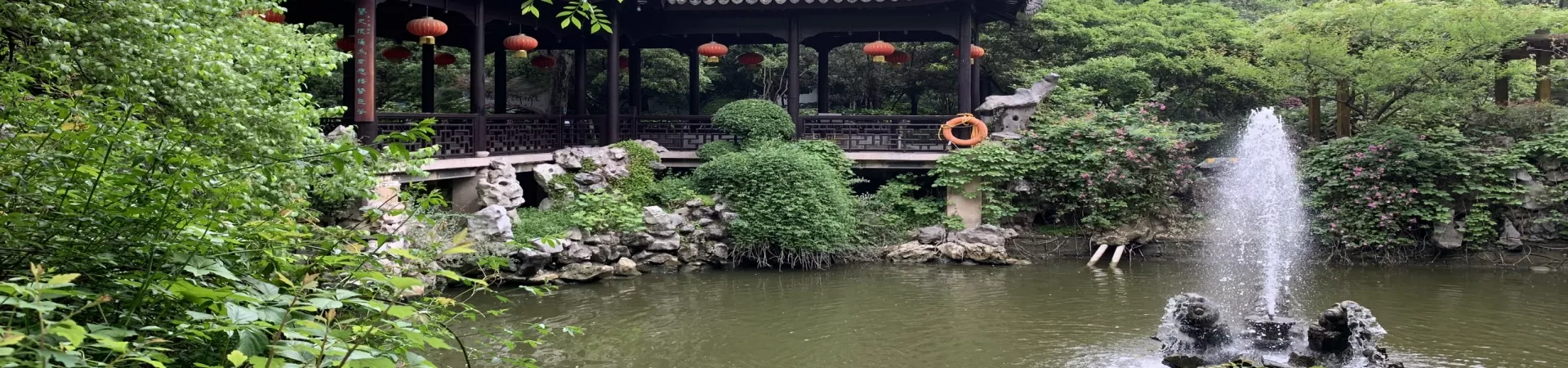
The moment you step into Dongpo Park, you are enveloped by an atmosphere of timeless elegance. The layout follows traditional Chinese garden principles, emphasizing harmony between man-made structures and the natural world. Ancient trees, their gnarled branches reaching skyward, cast dappled shadows on winding pathways, creating a canopy of green that muffles the sounds of the modern city beyond. The environment is deliberately rustic and refined, with meticulously maintained gardens, traditional pavilions, and rockeries that mimic natural landscapes. The gentle murmur of water is a constant companion, courtesy of the adjacent Grand Canal and carefully placed ponds within the park's boundaries. This is not a vast, sprawling complex but rather an intimate enclave where every turn reveals a thoughtfully composed scene, encouraging slow exploration and quiet reflection. The park's scale makes it perfectly suited for an immersive visit without feeling overwhelming.
Architectural Heart: The Yizhou Pavilion
Dominating the park's skyline from its highest point is the iconic Yizhou Pavilion (舣舟亭), the park's architectural and spiritual centerpiece. This pavilion was constructed precisely to commemorate the spot where Su Dongpo's boat anchored. Its design is a masterpiece of Song-era-inspired architecture, featuring a double-eaved, four-cornered roof with nine distinct ridges—a style denoting significance and elegance. The flying eaves sweep upwards gracefully, imparting a sense of lightness and aspiration. The pavilion's true artistry lies in its intricate decorations. Visitors are encouraged to look closely at the exquisite brick carvings and wood carvings that adorn its beams and facades. These carvings often depict classic literary motifs, floral patterns, and symbolic creatures, showcasing the high level of craftsmanship of the period. Climbing up to the Yizhou Pavilion is essential. From its vantage point, you are rewarded with panoramic views of the park's lush greenery below and the historic Grand Canal flowing past—a vista that likely inspired the great poet himself and connects you directly to the historical moment it honors.
Cultural Layers: Artifacts and Literary Legacy
Beyond the Yizhou Pavilion, the park is dotted with various cultural relics and historical sites that deepen the narrative. Stone tablets inscribed with Su Dongpo's poetry, commemorative steles erected by later scholars, and remnants of old canal-side architecture are integrated into the landscape. These elements are not merely displayed; they are part of the garden's fabric. A key theme throughout is the celebration of Su Dongpo's literary legacy. His verses, particularly those expressing love for the Jiangnan region's scenery and his reflections on life's journeys, are echoed in the park's serene environment. The park serves as an open-air museum of his enduring influence, allowing you to physically inhabit a space deeply connected to his life and work. It’s a place where the written word from a millennium ago finds resonance in the rustling leaves and flowing water.
Practical Information for Your Visit
Getting There: The park is easily accessible by public transportation. Visitors can take Changzhou public bus routes 7, 17, or 25 and alight at the Dongpo Park (东坡公园) bus stop. The park entrance is within a short and pleasant walking distance from the stop.
Admission Fees: One of the most appealing aspects of Dongpo Park is that it is free and open to the public. There is no admission charge, making it an accessible cultural attraction for all visitors.
Opening Hours: The park is open daily from 6:00 AM to 6:00 PM throughout the year. These hours provide ample opportunity to enjoy the park in the soft morning light or during the golden afternoon hours.
Suggested Duration: A comprehensive visit to explore the pavilions, appreciate the artifacts, and enjoy the peaceful surroundings typically takes between 1 to 3 hours. Its compact size allows for a rich experience even within a shorter timeframe, fitting well into a broader day of sightseeing in Changzhou.
Visitor Tips: While the park offers a gentle walking experience, comfortable shoes are recommended for exploring its pathways and climbing the steps to the Yizhou Pavilion. Early mornings on weekdays tend to be the quietest periods for those seeking solitude. As with any attraction, it is always advisable to check for any temporary changes in operating hours or access on the day of your visit, as management policies can be updated.