Wall mounted highway
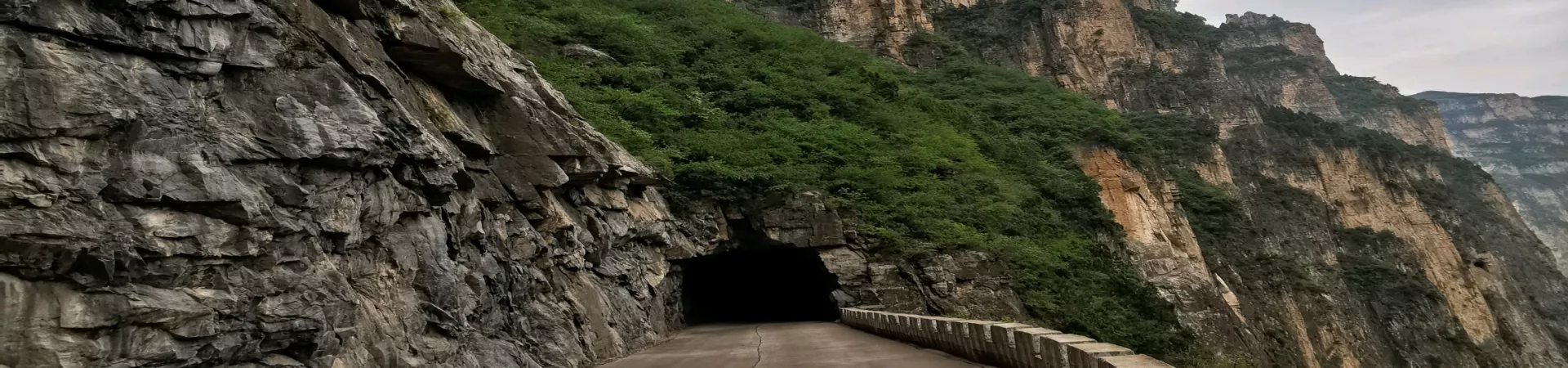
Subtitle: A Journey Through the Cliffs: Exploring the Hanging Highways of Changzhi
Introduction: Where Engineering Meets the Abyss
Nestled within the majestic Taihang Mountains of Shanxi Province, the city of Changzhi holds a secret etched into the very fabric of its towering cliffs. This is the realm of the Guabi Highway, or the "Cliff-Hanging Road." More than just a route for transportation, these roads are a breathtaking testament to human perseverance, a sculptural masterpiece carved by hand into the faces of sheer precipices. For the modern traveler, venturing onto these highways is not merely a drive; it is a pilgrimage into a landscape of dramatic geology and even more dramatic history, offering vistas that straddle the line between awe-inspiring and humbling.
1. The Genesis: Why Carve a Road from Stone?
1.1. Isolation as the Mother of Invention For centuries, the remote villages nestled in the Taihang Mountains were virtually cut off from the outside world. Cradled by breathtaking beauty, they were imprisoned by it. Life was defined by isolation, with access limited to treacherous footpaths and rope bridges. The exchange of goods, access to healthcare, and connection with wider society were immense challenges. The mountains, while protective, were also profound barriers to development and survival.
1.2. The Collective Dream and Grit The mid-20th century saw the crystallization of a seemingly impossible dream: to carve a passage through the mountain itself. Lacking modern machinery, the project relied on the sheer willpower and labor of local villagers. Armed with simple tools—hammers, chisels, picks, and explosives—they began the Herculean task. This was a communal endeavor, with entire villages contributing their strength and spirit. The construction process was perilous; workers dangled from ropes over dizzying drops, chipping away at the rock inch by inch, year after year. It was a project fueled not by profit, but by a collective yearning for connection and a better future.
2. Engineering Marvels and Key Routes
2.1. Defining the "Guabi" The term "Guabi" literally translates to "hanging on the cliff wall." True to its name, these roads are engineered by tunneling horizontally through the cliffside, leaving one side open to the void. This design creates the iconic "windows" or galleries that punctuate the tunnels, allowing light and air to flood in while framing panoramic views of the surrounding gorges. The roads are narrow, often allowing only single-lane traffic, with the raw, unadorned rock of the mountain forming the interior wall and a low parapet separating vehicles from the open edge.
2.2. Notable Highways in the Changzhi Region Several Guabi highways are accessible from Changzhi, each with its own character: * The Hongtiguan Guabi Highway: Often considered one of the most spectacular, it winds through the heart of the Taihang Grand Canyon. Its "windows" offer uninterrupted, sweeping views of layered peaks and deep valleys, making it a prime route for photographers and sightseers. * The Kunshan Guabi Highway: Renowned for its engineering difficulty, it is one of the longest and highest. The drive is an intense sequence of tight curves and dramatic exposures, providing an adrenaline-pumping experience alongside the scenery. * The Xiyagou Guabi Highway (Chenjiagou): This route is celebrated for its pristine natural setting and relative serenity. It meanders past traditional villages, terraced fields, and lush vegetation, offering a more intimate glimpse into mountain life intertwined with the engineering feat.
3. The Traveler's Experience: A Multi-Sensory Adventure
3.1. The Drive: A Test of Nerves and Reward Navigating a Guabi highway is an active engagement. Drivers must be alert, patient, and comfortable with close quarters. The sound of the engine echoes in the semi-tunnel, contrasting with the sudden silence at a viewing "window." The act of driving here demands focus, but the rewards are continuous: around every bend awaits a new, heart-stopping vista of the endless mountain ranges.
3.2. Hiking and Village Encounters To fully appreciate the scale, one must step out of the vehicle. Many sections have adjacent trails or allow for safe stopping. Hiking along or above the roads provides perspective on their audacity. Furthermore, these roads are lifelines to villages like Guoliang and Xiyagou. Visiting these settlements allows for cultural immersion. Travelers can witness traditional stone houses, interact with locals whose parents built the roads, and understand the profound impact this infrastructure had on their daily lives.
3.3. Photographic and Artistic Inspiration The interplay of light and shadow within the tunnel "windows," the textured rock faces, and the vast landscapes create a paradise for photographers, especially during sunrise and sunset. The scene is a powerful subject for artists and contemplative travelers alike, embodying a stark beauty where human determination is visibly interlocked with natural grandeur.
4. Practical Considerations for the Visit
4.1. Optimal Timing and Preparation The best times to visit are spring (April-May) and autumn (September-October), when the weather is mild, and the mountain scenery is either blooming or adorned with fall colors. Summers can be rainy, making the roads slippery, while winters may see sections closed due to ice and snow. A reliable vehicle with good brakes and a confident driver are essential. It is crucial to check local road conditions before departure.
4.2. Safety and Etiquette Safety is paramount. Drive slowly, use headlights even during the day inside tunnels, and honk before blind curves. Pull over completely at designated wide spots to admire views or let oncoming traffic pass. Respect the local environment by not littering and being mindful of the villagers' privacy. The roads are their home, not just a tourist attraction.
4.3. Building a Itinerary A visit to the Guabi Highways is typically combined with exploration of the Taihang Mountain Grand Canyon Scenic Area. A recommended itinerary spans 2-3 days: one day dedicated to driving and hiking along one or two key Guabi roads (like Hongtiguan and Kunshan), and another day exploring canyon viewpoints, visiting ancient villages, and perhaps enjoying local Shanxi cuisine, such as savory noodle dishes and vinegar-based flavors. Accommodation ranges from simple guesthouses in the villages to more comfortable hotels in nearby towns like Lingchuan.