Upper Dangmen
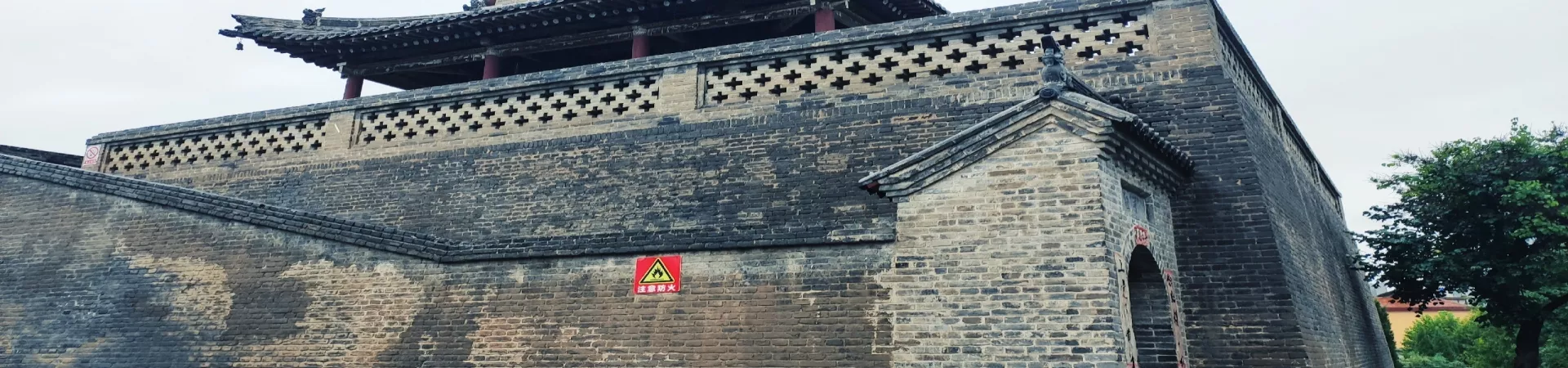
Embark on a Journey through History: Shangdang Gate in Changzhi
Welcome to Shangdang Gate, an iconic landmark perched at an elevation of 1500 meters in the heart of Changzhi, Shanxi Province. Dating back to the Sui Dynasty (581-600 AD), Shangdang Gate has stood as a symbol of authority and grandeur. Contact 400-xxxx-xxxx for inquiries.
Historical Significance: Shangdang Gate, rooted in the historical context of "Upholding the Party with the Heavens as Witness," boasts a rich legacy. The existing gate and the flanking Bell and Drum Towers were meticulously restored during the Ming Dynasty by Magistrate Ma Tun. In the ninth year of the Hongzhi era (1496), Magistrate Ma Tun, driven by the principles of good governance and public trust, undertook extensive renovations, resulting in the magnificent and sturdy Bell and Drum Towers we see today. Serving as a testament to architectural prowess, they now symbolize Changzhi's cultural heritage.
Geographical and Symbolic Significance: Situated at the northern end of Fupojie Street in the city center, Shangdang Gate served as the grand entrance to the ancient Shangdang County Government Office. "Shangdang" refers to the region in the southeast of present-day Shanxi Province, encompassing parts of Changzhi, Jincheng, Yushen, Zuoquan, Heshun, and Linfen. Historically, it was a crucial hub during the Qin Dynasty, evolving into the Shangdang Commandery. Shangdang Gate, perched on a high ridge, signifies the highest point in the Taihang Mountains, earning it the moniker "Upholding the Party with the Heavens as Witness."
Architectural Marvel: The gate's elevation, coupled with its commanding presence, provides an awe-inspiring panoramic view of ancient Changzhi. The architecture showcases the distinct features of a double-eaved hip and gable roof structure, and the addition of the Bell and Drum Towers on either side adds to its majesty. The second floors of these towers, named "Wind Galloping" and "Cloud Moving," symbolize their towering heights, akin to soaring clouds.
Historical Evolution: Originally built during the Sui Dynasty, Shangdang Gate served as the seat of the Shangdang Commandery. However, during the Jin Dynasty, it fell victim to war's devastation. The present structure is a Ming Dynasty reconstruction, bearing witness to the resilience and determination of the local community.
Visiting Shangdang Gate: Operating from 08:00 to 18:00 throughout the year, Shangdang Gate welcomes visitors to explore its historical corridors and immerse themselves in the ancient charm of Changzhi. As a provincially protected cultural relic, it has undergone several restoration efforts to preserve its grandeur.
Embark on a captivating journey through time and heritage at Shangdang Gate, where the echoes of history resonate with every step. This landmark stands as a testament to the region's rich cultural and architectural legacy, providing a glimpse into the historical tapestry of Changzhi.