Jingdi Village
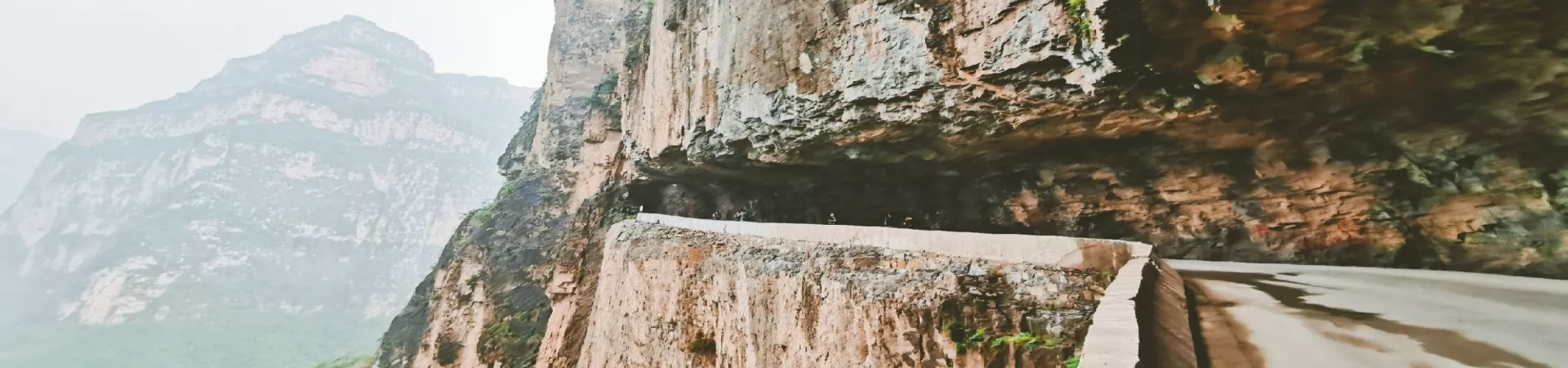
Subtitle: A Journey to the Cliffside Sanctuary: Unveiling the Timeless Charm of Jingdi Village
1. Introduction: The Hidden Gem of the Taihang Mountains
Nestled deep within the majestic Taihang Mountain range in Changzhi City, Shanxi Province, Jingdi Village is not merely a destination; it is an experience suspended between heaven and earth. Perched precariously along sheer cliffs at an altitude of over 1,500 meters, this ancient settlement has long been shrouded in mystery, often described as a "village in the sky" or a "hidden paradise." For centuries, its isolation—accessible only by treacherous footpaths—preserved a way of life untouched by the rapid modernization sweeping across China. Today, while a winding mountain road has connected it to the outside world, Jingdi Village retains an aura of timeless tranquility, offering travelers a rare glimpse into a harmonious coexistence of humans and nature. The village’s very name, "Jingdi" (阱底), meaning "bottom of a trap," hints at its geographical seclusion: a basin surrounded by towering peaks that seem to protect it from time itself. This section explores the village’s captivating lore and its dramatic setting, setting the stage for a journey into one of China’s most breathtaking cultural landscapes.
2. The Natural Grandeur: A Landscape Sculpted by Millennia
2.1. The Enveloping Cliffs and Skyline Trails
The defining feature of Jingdi Village is its immersive natural environment. The village sits cradled by a colossal ring of limestone cliffs, whose stratified rock faces tell a geological story millions of years old. These cliffs, often veiled in ethereal mists, change hue with the passing day—from rosy dawns to golden sunsets. Hiking trails, such as the renowned "Sky Ladder" carved into the cliffside, offer heart-pounding vistas. The most iconic viewpoint is the "Cliffside Corridor," a hand-built road that clings to the mountain face, providing panoramic views of the village below and the endless forested valleys beyond. This interplay of verticality and depth creates a sense of sublime awe, reminding visitors of nature’s monumental scale.
2.2. The Emerald Reservoir and Seasonal Symphony
At the heart of the basin lies the Jingdi Reservoir, a serene body of water that mirrors the cliffs and sky like a polished jade plate. Fed by mountain springs, its crystal-clear waters are a hub of activity and reflection. The surrounding ecosystem thrives with biodiversity; ancient cypress trees twist towards the sunlight, and wildflowers carpet the slopes in spring and summer. Autumn transforms the scene into a fiery palette of red and gold, while winter often blankets the village in silent snow, turning it into a secluded wonderland. This seasonal rhythm dictates the pace of life here and offers a distinctly different experience throughout the year.
3. Cultural Tapestry: Life in Harmony with the Cliffside
3.1. Architectural Heritage: Stone Dwellings of Resilience
The human adaptation to this rugged environment is most evident in the village’s architecture. Generations of residents have built their homes using the mountain’s own materials, resulting in sturdy stone houses with slate roofs that blend seamlessly into the landscape. These dwellings, often multi-storied to maximize space on steep terrain, feature traditional courtyards and wooden balconies overlooking the abyss. The layout of the village itself—a compact network of narrow, winding stone-paved lanes—follows the natural contours of the land, demonstrating an intuitive, sustainable design philosophy that prioritizes harmony over conquest.
3.2. Traditions and Subsistence Living
The cultural identity of Jingdi’s inhabitants is deeply rooted in self-sufficiency and tradition. For ages, villagers have practiced terrace farming on every available slope, cultivating corn, millet, and walnuts. Local crafts, such as weaving and bamboo work, continue to be passed down. The community maintains folk customs and festivals linked to agricultural cycles and mountain worship, offering a living museum of northern Chinese rural culture. Visitors might hear echoes of ancient Shanxi opera or be invited to share a simple, hearty meal made from locally sourced ingredients, embodying a philosophy of contentment within nature’s bounds.
4. The Modern Pilgrimage: Experiencing Jingdi Village Today
4.1. Accessibility and Sustainable Tourism
The completion of the "Cliffside Highway" in the early 2000s marked a turning point, transforming Jingdi from an isolated fortress into a destination for intrepid travelers. While this brought connectivity, there has been a conscious effort to manage tourism sustainably. Visitor numbers are informally regulated, and development is low-impact, with family-run guesthouses (nongjiale) offering basic but authentic accommodations. The focus remains on preserving the village’s fragile ecological and social fabric while allowing outsiders to appreciate its beauty responsibly.
4.2. Activities for the Contemporary Traveler
Today, a visit to Jingdi Village is a multi-sensory immersion. Key activities include:
- Photography and Sightseeing: From capturing the sunrise over the sea of clouds to photographing the star-filled night sky unobstructed by light pollution.
- Hiking and Exploration: Trekking to nearby attractions like the "Fairy Lake" or ascending to vantage points for breathtaking overlooks.
- Cultural Interaction: Engaging with local residents, learning about their history, and participating in daily activities like harvesting or food preparation.
- Meditative Retreat: Many find the village’s profound peace ideal for introspection, painting, or writing, away from urban cacophony.
4.3. Practical Considerations for the Visit
The journey to Jingdi Village remains an adventure. The mountain roads are winding and require cautious driving, preferably with a local driver. The best times to visit are from April to October, with May-June and September-October offering mild weather and vibrant scenery. Winters are harsh but uniquely beautiful. Accommodations are simple, emphasizing cleanliness and hospitality over luxury. Visitors are encouraged to bring sturdy walking shoes, layers for changeable mountain weather, and a respectful attitude towards the local environment and customs.