Taiping Street
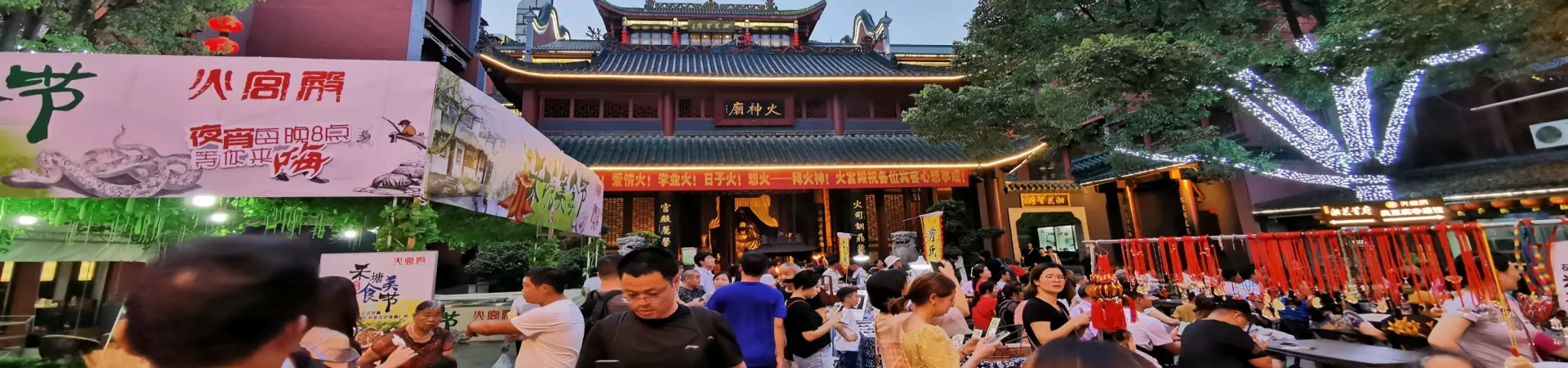
Subtitle: A Journey Through Time in the Heart of Changsha
Introduction Nestled within the bustling modern metropolis of Changsha, the capital of Hunan Province, lies Taiping Street (太平街), a living portal to the city's ancient soul. More than just a tourist destination, it is the most complete preservation of Changsha's historical urban street pattern and architectural fabric. For any visitor seeking to understand the city's rich, layered past beyond its contemporary skyline, a stroll down Taiping Street is an essential and immersive experience. This thoroughfare, where the aromas of sizzling street food mingle with the whispers of centuries-old stories, offers a captivating blend of historical reverence and vibrant, everyday life.
The Historical Tapestry of Taiping Street
2.1. A Preserved Architectural Legacy Walking into Taiping Street is akin to stepping back in time. The street meticulously retains the scale, layout, and atmosphere of a bygone era. The most striking features are the traditional Hunan-style buildings that line the cobbled lane. Their white-washed walls and dark grey-tiled roofs (青瓦白墙) stand in quiet contrast to the glass and steel of the surrounding city, creating a serene and picturesque environment. This architectural consistency is not a modern recreation but a genuine preservation, making the street an invaluable open-air museum of Qing Dynasty and Republican-era vernacular architecture.
2.2. Monuments and Cultural Landmarks Embedded within this historic streetscape are significant cultural landmarks that anchor Taiping Street's importance. The most renowned is the Former Residence of Jia Yi (贾谊故居). Jia Yi was a brilliant statesman and poet of the Western Han Dynasty (206 BCE – 9 CE) whose political essays and literary works left a lasting impact. His former residence, now a memorial hall, offers a tranquil space for reflection on ancient Chinese intellectual history. Nearby, the Changhuai Well (长怀井) is a centuries-old water source steeped in local legend. Another notable relic is the West Memorial Archway of the Ming Dynasty Prince Ji's Mansion (明吉藩王府西牌楼), a stone artifact silently testifying to the area's aristocratic connections during the Ming era. These sites are not isolated exhibits; they are integral parts of the street's fabric, allowing history to feel immediate and tangible.
A Sensory Feast: Culinary Delights and Local Life
3.1. The Iconic Street Food Experience No visit to Taiping Street is complete without indulging in its legendary street food, which is as central to its identity as its ancient walls. The air is perpetually filled with enticing, if sometimes challenging, aromas. Foremost among the offerings is Changsha Stinky Tofu (长沙臭豆腐). This iconic snack, with its crispy blackened exterior and surprisingly flavorful, soft interior, often served with a spicy and aromatic sauce, is a must-try for the adventurous eater. Equally beloved is Sugar Oil Baba (糖油粑粑), a delightful treat of glutinous rice balls fried and then coated in a shiny, sweet caramelized syrup, offering a perfect balance of chewiness and sweetness.
3.2. A Hub of Activity and Commerce Beyond these classics, the street buzzes with vendors selling a variety of local snacks, from spicy crayfish to sweet rice wines. Teahouses, craft shops selling traditional Hunan embroidery and pottery, and quaint cafes tucked into old buildings add to the vibrant tapestry. Taiping Street is not a static relic; it is a thriving community. It's a place where elderly residents chat on doorsteps, where shopkeepers proudly display their wares, and where the clatter of cooking woks provides the soundtrack. This harmonious blend of daily life, commerce, and tourism is what gives the street its authentic and dynamic energy.
Practical Information for Your Visit
4.1. Getting There Taiping Street is centrally located and easily accessible by public transport. The most direct route is to take public bus routes 11, 145, 18, or 308 and alight at the "Jia Yi Guju" (贾谊故居) bus stop. From there, it is a short and straightforward walk of approximately 200 meters to the entrance of the historic street.
4.2. Admission and Opening Hours One of the great advantages of visiting Taiping Street is its accessibility. There is no admission fee to enter and explore the street itself, its architecture, and its general atmosphere. Some specific attractions within, like the Jia Yi Former Residence, may have separate, minimal ticketing. The street is open to the public 24 hours a day, every day of the year. However, the optimal time to visit is during the day and early evening when all shops, food stalls, and historical sites are fully operational and the street is at its most lively.
4.3. Suggested Duration To fully appreciate Taiping Street, a visit of 1 to 3 hours is recommended. This allows ample time for a leisurely walk along its entire length, sampling several food items, exploring the key historical sites like Jia Yi's residence, browsing the small shops, and simply soaking in the unique ambiance. Visitors can choose a brisk walk to see the highlights or a more relaxed pace to linger over tea and observe the rhythm of local life.