Jinggang Ancient Town
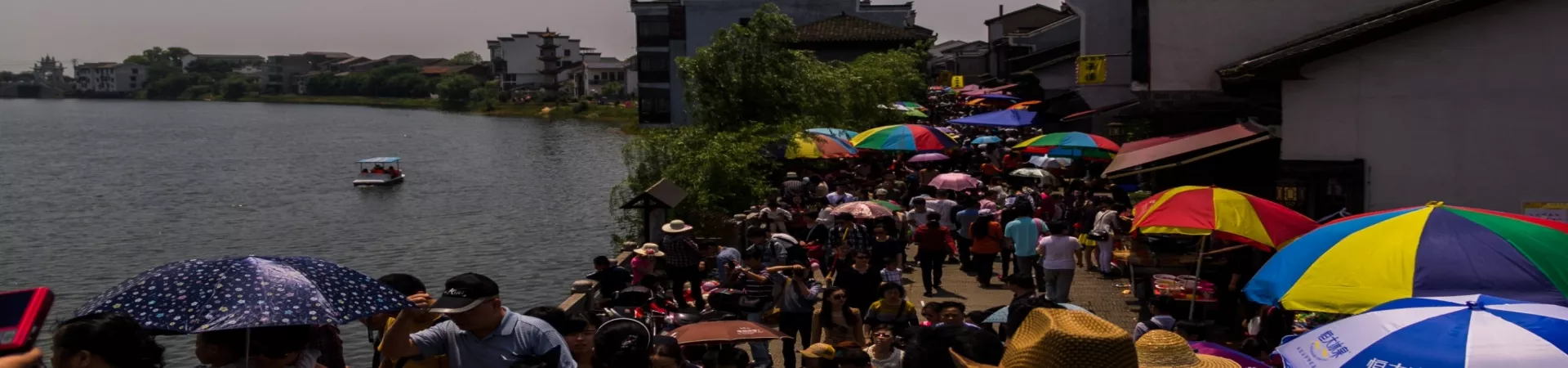
Subtitle: A Journey Through Time in Changsha's Ancient Port Town
1. Introduction: The "Little Hankow" on the Xiang River
Nestled on the western bank of the majestic Xiang River in Changsha, Hunan Province, lies Jinggang Ancient Town, a captivating relic of a bygone commercial era. Once a thriving natural harbor, its wharves bustled with merchants and goods, earning it the illustrious nicknames "Little Hankow" and "Little Hong Kong." This historic prominence has been meticulously preserved, transforming Jinggang from a vital trade hub into a unique urban oasis for cultural immersion and leisurely retreat. Today, it offers visitors a tangible connection to late Qing Dynasty life, where ancient flagstone paths, traditional architecture, and enduring folk crafts tell the story of its prosperous past, all set against the serene backdrop of characteristic Jiangnan water town scenery.
2. Exploring the Historic Core: Streets, Architecture, and Crafts
2.1. The Main Arteries: Flagstone Streets and Qing Dynasty Ambiance The heart of Jinggang is its ancient streets, paved with smooth, time-worn bluestones that have borne the weight of centuries. Flanking these pathways are rows of well-preserved buildings showcasing distinctive late Qing Dynasty architectural styles. These structures, which once served as merchant residences, bustling shops, and storied inns, now house a variety of boutiques, tea houses, and snack stalls. Strolling here is a step back in time, with every doorway and upturned eave whispering tales of the town's mercantile glory.
2.2. Living Heritage: Traditional Handicrafts in Action Beyond static architecture, Jinggang breathes through its living traditions. Scattered along the old street are workshops where master artisans practice time-honored crafts. Visitors can witness the mesmerizing sparks fly at a blacksmith's forge, where raw iron is skillfully transformed into tools and wares. Another fascinating stop is the scale-making workshop, where craftsmen meticulously assemble traditional handheld steelyards, demonstrating precision and patience rarely seen in the modern age. These interactive displays offer invaluable insight into the material culture and daily life of historical China.
3. Key Cultural Sites and Attractions
3.1. Halls of Gathering: Ningxiang Guild Hall and Bayuan Hall Jinggang's historical significance is further encapsulated in its public halls. The Ningxiang Guild Hall stands as a testament to the power of merchant collectives, serving as a clubhouse, meeting point, and support center for traders from the Ningxiang region. Similarly, Bayuan Hall represents another important assembly hall, reflecting the social and commercial networks that fueled the town's economy. These sites provide a glimpse into the organized civic and business life of the past.
3.2. The Macro-Tai Brothel: A Window into Social History Perhaps the most provocative historical site is the Hongtaifang (Macro-Tai Brothel), now operating as the "Qinglou Culture Performance Art Gallery." Notably documented as the last surviving Qing Dynasty brothel in the greater Changsha area, it has been converted into a museum that cautiously explores a complex facet of social history. Through exhibits and occasional cultural performances, it aims to portray the lives within such establishments during that era, offering a nuanced, if somber, perspective on the town's vibrant and multifaceted past.
4. Practical Visitor Information
4.1. Location and Transportation Jinggang Ancient Town is located in Wangcheng District, Changsha. A convenient public transportation option is to take bus W126 and alight at the Jinggang Paipai (Jinggang Drainage Pump Station) bus stop. From there, the ancient town entrance is within easy walking distance.
4.2. Admission and Opening Hours Access to the main pedestrian streets and general town area is free of charge. However, entry into specific ticketed attractions (such as those listed below) requires separate purchase. * Opening Hours for the Town Area: Approximately 09:00 - 17:00 daily. * Last Admission for Ticketed Sites: Typically 16:00.
It is highly advisable to check the official opening times on the day of your visit, as schedules can be subject to change.
4.3. Ticketed Attractions and Fees The following is a list of major ticketed sites with standard admission prices (subject to change): * Chuhe Yuan (Farming Culture Exhibit): Approximately CNY 10. * Bayuan Hall: Approximately CNY 15. * Ironware Culture Museum: Approximately CNY 10. * Hongtaifang (Macro-Tai Brothel / Qinglou Culture Gallery): Approximately CNY 20. * Shadow Puppetry Performances: Approximately CNY 15.
Important Note: The above fee structure and opening hours are for reference as of the last update. Visitors are strongly encouraged to verify all practical details directly with the official tourist information centers at the site prior to their visit, as policies and prices are subject to change without prior notice.
5. The Riverside Landscape: Stilted Houses and Water Town Charm
A defining feature of Jinggang's charm is its picturesque riverside setting. The original buildings lining the water were constructed as diaojiaolou (stilted houses), a classic architectural style of southern Chinese water towns. These structures, with their wooden pillars driven into the riverbank or shallow water, create a striking and poetic silhouette against the river. This harmonious blend of architecture and nature not only provided practical solutions for living by the water but also crafted the "unique Jiangnan water town characteristic" that makes Jinggang visually spectacular and distinctly memorable. This serene environment solidifies its role as a distinctive resort base, where history and landscape combine to offer a peaceful escape near the bustling metropolis of Changsha.