Huogong Palace (Pozi Street Main Store)
Subtitle: A Journey Through Time and Taste at Changsha's Most Historic Dining Destination
1. Introduction: The Soul of Changsha on a Plate Nestled at the heart of Changsha's bustling urban center, within the famed Pozi Street historical district, lies not just a restaurant, but a living monument to Hunanese culture: the Fire Palace (Huogongdian) Pozi Street Flagship Store. More than a century of history, culinary innovation, and local lore converge within its walls, making it an indispensable stop for any visitor seeking to understand the true essence of Changsha. It is a place where the vibrant, spicy, and aromatic soul of Hunan cuisine is served alongside a rich tapestry of social and historical narrative. To dine at the Fire Palace is to participate in a tradition, to taste history, and to experience the unapologetically bold flavors that define this region.
2. A Storied Legacy: From Temple Kitchen to Culinary Icon 2.1. Humble Beginnings and a Name of Fire The origins of the Fire Palace are as captivating as its food. Its story begins in the Qing Dynasty (1747) not as a commercial restaurant, but as a temple dedicated to the Fire God (Huoshen), constructed by wealthy merchants to ward off the devastating fires that once plagued the wooden structures of old Changsha. This spiritual foundation is embedded in its very name—"Huogongdian" translates to "Fire God Palace." The temple initially served simple vegetarian noodles to worshippers and the poor, a charitable act that planted the seed for its future culinary identity.
2.2. Evolution Through Dynasties and Disasters The establishment weathered the transformations of dynasties and the catastrophic Great Fire of Changsha in 1938, which destroyed much of the city. Its resilience mirrored that of the local people. In the 1940s, it formally transitioned into a restaurant, capitalizing on its prime location and growing reputation. However, it was in the decades following the founding of the People's Republic, particularly from the 1950s onward, that the Fire Palace began its ascent to national fame. It became a crucible for Hunan's master chefs, who refined and elevated local dishes, transforming street food and home-cooked meals into a celebrated regional cuisine.
2.3. The Patronage of a Chairman A pivotal moment in its history was a visit in 1958 by Chairman Mao Zedong, a native of Hunan. His enjoyment of the food here, particularly the crispy, aromatic Changsha Stinky Tofu, was a powerful endorsement that cemented the Fire Palace's status as a cultural and culinary landmark. This visit is commemorated within the restaurant, linking its story inextricably to modern Chinese history.
3. The Culinary Experience: A Symphony of Hunan Flavors 3.1. The Philosophy: Bold, Aromatic, and Diverse Hunan cuisine (Xiang Cai) is renowned for its "dry heat" (gan la), fresh aromatics, and deep, complex flavors. The Fire Palace serves as its grand stage. The menu is a comprehensive anthology of the region's gastronomy, emphasizing seasonality, precise technique, and the artful use of chili, smoked meats, and fermented ingredients.
3.2. Signature Dishes You Cannot Miss * Changsha Stinky Tofu: The undisputed icon. Far more pleasing to the palate than to the nose, these fermented tofu cubes are deep-fried to a perfect golden crisp, then topped with a spicy, savory sauce, pickled vegetables, and cilantro. The contrast between the crispy shell and soft interior, flooded with umami and heat, is a revelation. * Braised Pork Trotters: A testament to the mastery of braising. The trotters are simmered for hours in a rich, aromatic broth infused with soy sauce, star anise, and chili, resulting in meat that is unbelievably tender, gelatinous, and flavorful, falling off the bone. * Spicy Crawfish: A seasonal summer favorite that embodies the festive, hands-on dining culture. The crawfish are stir-fried in a pungent, numbing, and spicy sauce laden with Sichuan peppercorns and dried chilies, creating a communal and delightfully messy eating experience. * Sugar Oil Baba: A beloved traditional snack offering a sweet counterpoint to the fiery dishes. This glutinous rice cake is fried, then coated in a translucent, fragrant syrup made from brown sugar and sesame seeds, providing a chewy, sweet, and satisfying finish.
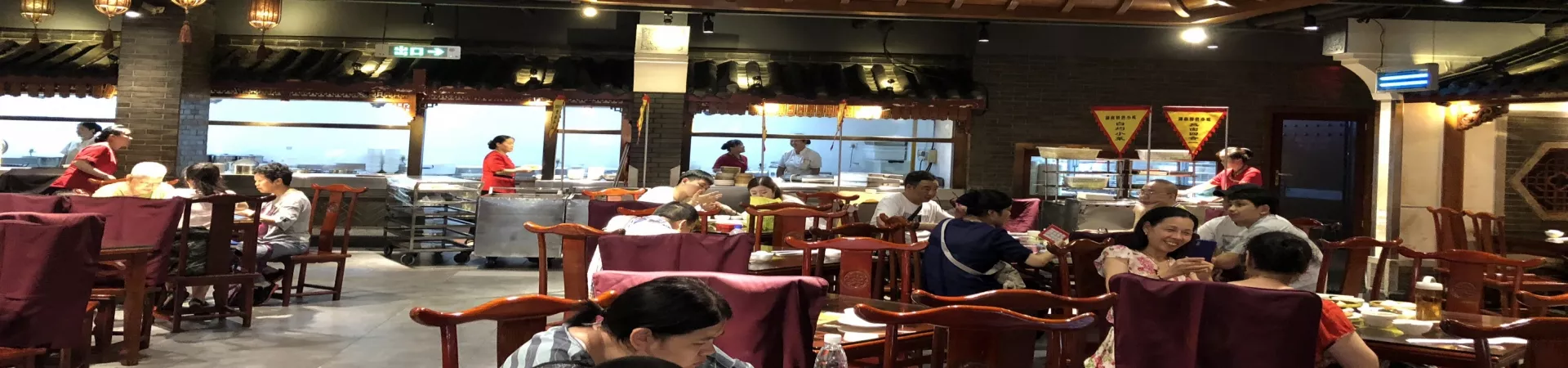
3.3. The Dining Atmosphere: Lively and Authentic The Pozi Street flagship is a multi-story complex that buzzes with energy from morning until late at night. The atmosphere is one of cheerful chaos—the clatter of dishes, the sizzle of woks, the lively chatter of large family gatherings, and the calls of servers navigating packed halls. While private rooms offer respite, the main dining areas provide an authentic, immersive experience into the social heart of Changsha life.
4. Beyond the Meal: Culture, Location, and Practical Tips 4.1. A Cultural Hub in Pozi Street The Fire Palace is the anchor of the Pozi Street historical and commercial district. Before or after your meal, explore the neighboring traditional architecture, souvenir shops, and snack stalls. The restaurant itself often features displays on its history and occasional local cultural performances, deepening the connection between the food and its origins.
4.2. Planning Your Visit * Timing: Expect queues, especially during weekends and dinner hours. Visiting for a late lunch or an early dinner can help avoid the largest crowds. * Ordering Strategy: Embrace the shared-dish tradition. Order a variety of smaller plates and snacks to sample the breadth of offerings. Do not shy away from the "signature dishes" highlighted on the menu. * Pace and Beverages: The flavors are robust. Pair your meal with local beers, Wanglaoji herbal tea, or simple jasmine tea to cleanse the palate and balance the heat.
4.3. The Verdict on Value While not the cheapest street-side option, the Fire Palace offers exceptional value. You are paying not only for high-quality, expertly executed food but also for a unique historical experience. The portion sizes are generally generous, meant for sharing, and the opportunity to taste definitive versions of Hunan's most famous dishes in their most iconic setting is, for most travelers, priceless. It is less a simple meal and more an essential chapter in the story of your visit to Changsha.