Du Fujiang Pavilion
Subtitle: A Riverside Tribute to a Poet Sage: Exploring Du Fu's Pavilion in Changsha
Introduction: A Beacon on the Riverbank
Rising gracefully from the western bank of the Xiangjiang River in Changsha, the Du Fu Jiang Ge, or Du Fu River Pavilion, stands as a profound and elegant tribute to one of China's greatest literary figures, Du Fu (712-770 AD). More than just a scenic lookout, this pavilion is a cultural anchor, intentionally positioned to form a continuous thread of historical and literary significance with other iconic sites like the Tianxin Pavilion, the ancient Daolin and Lushan temples on Yuelu Mountain, and the prestigious Yuelu Academy. Visiting this site is an immersion into classical Chinese poetry, history, and the breathtaking landscapes that inspired them, offering a serene yet poignant counterpoint to the modern city's bustle.
The Legacy of Du Fu: Sage of Poetry
Du Fu, revered as the "Poet Sage" or "Poet Historian," spent the last two years of his life in the Changsha region during the tumultuous late Tang Dynasty. His poems from this period, filled with empathy for the common people and reflections on hardship and displacement, resonate deeply with Chinese cultural memory. The Du Fu Jiang Ge, constructed in his honor, serves as a physical embodiment of this legacy.
Inside the Pavilion: A Journey Through a Poet's Life
2.1. Exhibits and Historical Narratives The interior of the pavilion is dedicated to chronicling the life and works of Du Fu. Through detailed exhibits, informative plaques, and artistic displays, visitors are guided through the major chapters of his life—from his early ambitions and travels to the years of war, exile, and his final sojourn in Hunan. Key excerpts from his most famous poems are presented, often with translations and contextual explanations, allowing even those unfamiliar with classical Chinese to grasp the depth of his sentiment and his masterful craft. The focus on his Changsha-period poems provides a powerful local connection, transforming the surrounding river and mountain views from mere scenery into the very muse of his verses.
2.2. A Prime Vantage for City Celebrations While culturally enriching year-round, the pavilion takes on a different kind of magic during Changsha's summer weekend fireworks displays. Recognized as one of the premier viewing spots in the city, the open terraces and upper floors become bustling vantage points. Visitors gather here to witness the spectacular pyrotechnics exploding over the Xiangjiang River, with the illuminated city skyline and the reflections on the water creating a dazzling modern spectacle. It's a unique fusion where ancient architecture frames contemporary celebration, significantly increasing the pavilion's draw during these seasonal events.
Architectural Significance and Panoramic Views
3.1. A Modern Landmark with Classical Spirit As a contemporary structure built in a traditional Tang-style architectural form, the pavilion itself is a local landmark. Its multi-eaved roofs, sweeping curves, and wooden accents echo the grandeur of the era in which Du Fu lived, creating a harmonious visual link to the past. Its prominent location by the river ensures it is a recognizable feature of the Changsha riverscape, especially when beautifully lit at night.
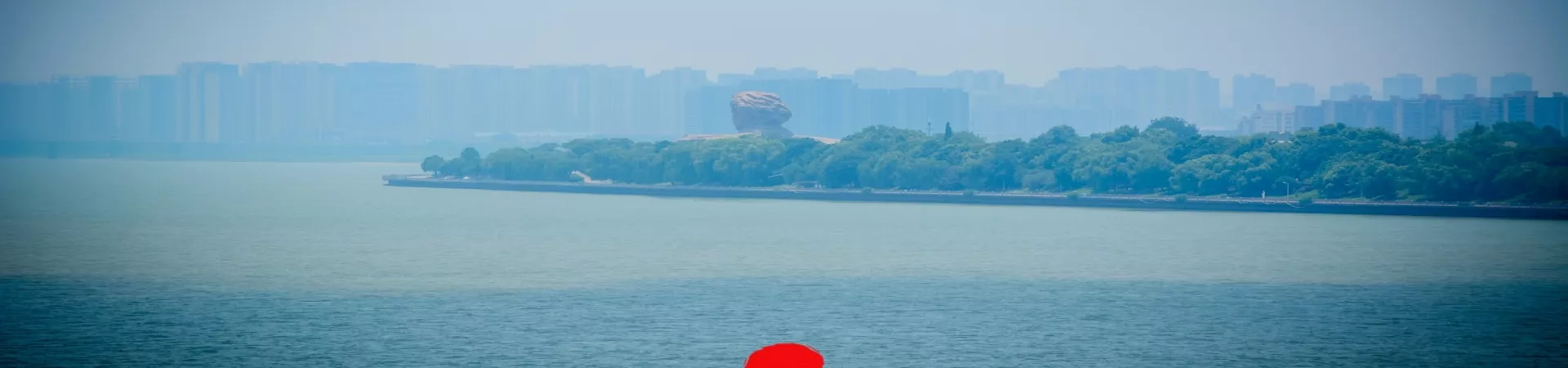
3.2. The Climb to a Poetic Vista The primary experiential reward of a visit is the ascent to the pavilion's upper levels. The climb is rewarded with one of the finest panoramic views in Changsha. To the east, the modern metropolis stretches out with its towering buildings. Directly below and to the west, the broad, flowing Xiangjiang River, the "Mother River" of Hunan, courses peacefully. Gazing into the distance, the lush greenery of the revered Yuelu Mountain provides a timeless backdrop. This elevated perspective allows visitors to literally "look out over both banks of the Xiangjiang," just as Du Fu might have, contemplating the passage of time and the enduring beauty of the natural world.
Practical Information for Visitors
4.1. Location and Transportation The pavilion is conveniently located at the west end of Xiangjiang Middle Road, near the Orange Isle (Juzizhou) area. * By Bus: Take public bus routes 1, 123, or 406 and alight at the "Xihuqiao" (West Lake Bridge) stop. From there, it is a short and pleasant walk of approximately 150 meters to the pavilion entrance.
4.2. Admission and Opening Hours * Ticket Fee: A standard admission ticket is priced at 11 RMB per person. This fee applies throughout the year. * Operating Schedule: The pavilion is open daily from 9:00 AM to 8:00 PM. The last admission is at 7:30 PM. It is advisable to allocate at least one hour for a thorough visit to explore the exhibits and enjoy the views at a leisurely pace.
4.3. Contact Details For any specific inquiries prior to your visit, you may contact the pavilion management at 0731-89824455.
(Information last updated: September 2, 2023. Credit to contributor Ba Wan.)