Aiwan Ting Pavilion
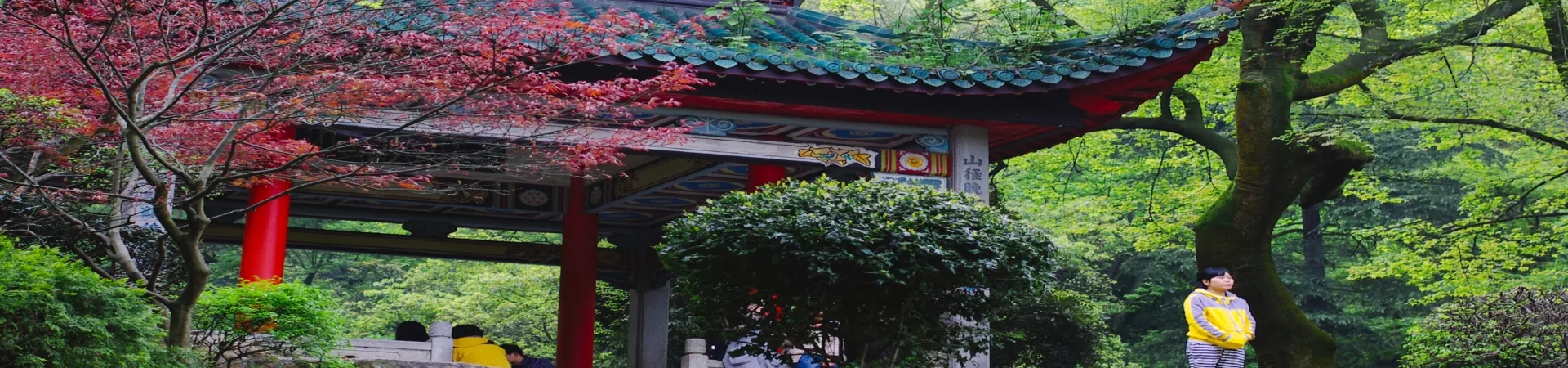
Subtitle: A Pavilion of Poetic Charm and Revolutionary History Amidst Maple-Clad Hills
1. Introduction: The Crown Jewel of Mount Yuelu's Autumn Splendor
Nestled within the lush, rolling landscape of Mount Yuelu in Changsha, China, the Aiwan Pavilion (爱晚亭, Àiwǎn Tíng) stands as an iconic symbol of natural beauty, literary heritage, and modern historical significance. Far more than a simple garden structure, it is a destination where classical poetry, revolutionary history, and breathtaking seasonal transformation converge. The pavilion offers visitors a profound experience, inviting them to step into a scene immortalized in verse and to walk in the footsteps of pivotal figures from China's modern era. Its unique charm lies in this seamless blend of the artistic and the historical, set against one of central China's most spectacular natural backdrops.
2. The Poetic Landscape: A Scene from a Classic Poem
2.1. An Immersive Natural Setting The pavilion’s location is masterfully chosen, creating an atmosphere of secluded beauty. It is cradled on three sides by the gentle slopes of Mount Yuelu, providing a sense of intimate enclosure and protection from the outside world. This natural amphitheater is densely populated with ancient maple trees, whose canopies envelop the clearing in dappled light and, most famously, in a blaze of autumn color.
2.2. The Origin of the Name: "Stopping for Maple Love" The very name "Aiwan Ting" is a direct homage to classical Chinese literature. It is derived from a celebrated couplet by the Tang Dynasty poet Du Mu:
"停车坐爱枫林晚,霜叶红于二月花。" "I stop my carriage, enchanted by the maple woods at nightfall; The frost-touched leaves are redder than the flowers of early spring."
The name, meaning "Pavilion of Loving the Evening" or more poetically, "Pavilion for Admiring Maple Leaves at Dusk," perfectly captures the essence of the place. It was here that scholars and poets of old would have paused to reflect, finding inspiration in the serene, fiery beauty of the autumn evening. Visiting the pavilion is thus an act of connecting with a centuries-old tradition of aesthetic appreciation.
3. Architectural and Historical Significance
3.1. Distinctive Architectural Features Architecturally, the Aiwan Pavilion is a fine example of a traditional Chinese pavilion with distinctive flair. Its most striking feature is the dramatic upward sweep of its four roof corners, which seem to reach towards the sky like the wings of a bird about to take flight. This elegant design imparts a sense of lightness and grace. The roof itself is covered with glazed green tiles, whose color provides a beautiful contrast to the deep reds and browns of the surrounding maple forest and the stone-grey of the mountain.
3.2. A Site of Revolutionary History Beyond its poetic associations, the pavilion holds a crucial place in modern Chinese history. During his student years in Changsha, a young Mao Zedong frequently visited Mount Yuelu with friends and colleagues. The serene and relatively secluded Aiwan Pavilion became one of their preferred spots for discussion, study, and planning in the early 20th century. It was here that ideas were exchanged and revolutionary thought was nurtured, making the pavilion a silent witness to the formative period of a movement that would reshape the nation.
3.3. Mao Zedong's Personal Connection This personal connection was formally immortalized when the pavilion was reconstructed in the 1950s. Chairman Mao Zedong himself penned the three characters for "爱晚亭" in his distinctive calligraphic style. The large horizontal plaque (匾额, biǎn'é) that now hangs majestically from the pavilion's eaves is a meticulous reproduction of his original handwriting. This calligraphy is not merely an inscription; it is a powerful historical artifact that bridges the pavilion's poetic past with its revolutionary legacy, adding a layer of profound significance for many visitors.
4. Practical Visitor Information
4.1. Admission and Opening Hours One of the most appealing aspects of visiting the Aiwan Pavilion is its accessibility. There is no admission fee to visit the pavilion and its immediate surroundings. It is open to the public 24 hours a day, allowing for flexibility in planning. Different times of day offer unique experiences: misty mornings, bright afternoons highlighting the architecture, and, true to its name, the deeply evocative dusk hours when the fading light sets the maple leaves aglow.
4.2. Recommended Visit Duration A typical visit to appreciate the pavilion, absorb the atmosphere, take photographs, and read the informational plaques generally requires under one hour. However, this can vary significantly based on personal interest. Visitors are encouraged to allocate extra time to simply sit and contemplate, to explore the nearby forest paths, or to combine the visit with other attractions on Mount Yuelu, such as the revered Yuelu Academy. During the peak autumn foliage season (usually late October through November), expect to spend more time due to the stunning visuals and larger crowds drawn to the famous "red maple" spectacle.
4.3. The Optimal Experience: Timing and Context To fully embrace the spirit of Du Mu's poem, a visit during the autumn months is highly recommended. This is when the pavilion lives up to its name and reputation, surrounded by a breathtaking canopy of crimson, orange, and gold. Understanding the dual narrative of the site—both the poetic inspiration and the historical importance—greatly enriches the experience. Visitors are walking through a living painting, one that has inspired literary minds for centuries and provided a quiet sanctuary for monumental historical figures.