Changde Poetry Wall - Wuling Pavilion
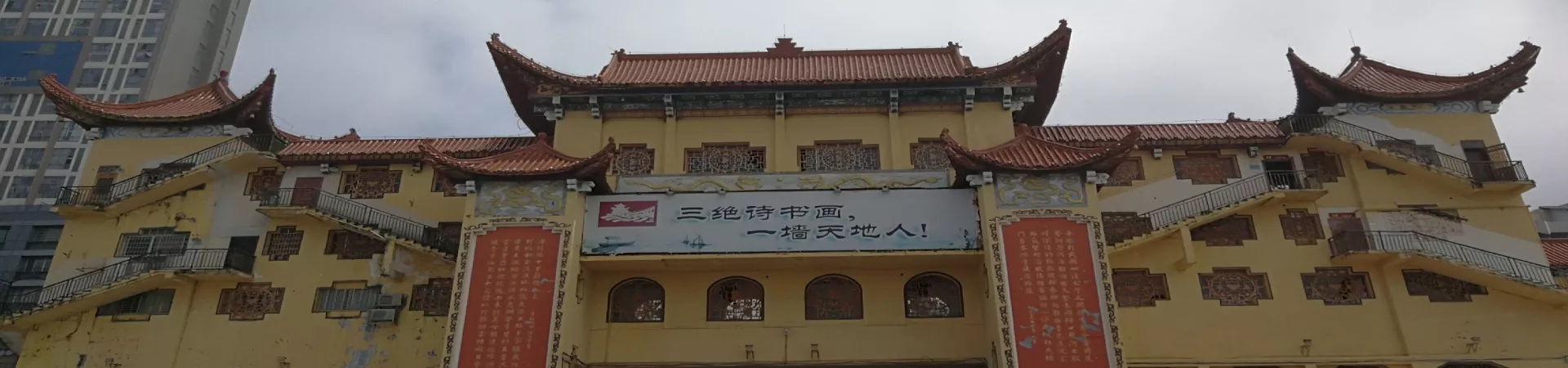
Subtitle: A Riverside Chronicle in Stone: Exploring the Poetic Soul of Changde at the Changde Poem Wall and Wuling Pavilion
Introduction: Where the Yuan River Whispers Verses
Nestled along the serene banks of the Yuan River in Hunan Province, the city of Changde holds a unique cultural treasure that seamlessly blends literary art, historical resilience, and scenic beauty. This is the Changde Poem Wall, a modern architectural marvel often hailed as "the world's longest wall with engraved poems, calligraphy, and paintings." At its geographical and symbolic heart stands the majestic Wuling Pavilion, a reconstructed ancient tower that serves as both a gateway and a watchtower over this river of words. More than just a tourist attraction, this complex is the soul of Changde etched in granite—a testament to the city's poetic spirit, its recovery from historical trauma, and its enduring connection to China's profound artistic traditions. A visit here is not merely a walk along a riverbank; it is a journey through time, art, and collective memory.
I. The Genesis of a Grand Vision: From Flood Defense to Cultural Icon
1.1. A Practical Foundation with a Poetic Ambition The genesis of the Changde Poem Wall is a story of transformative urban planning. Following devastating floods, a robust, functional flood prevention dyke was constructed along the Yuan River in the late 20th century. However, the city's visionaries saw beyond mere utility. They envisioned transforming this lengthy, grey concrete embankment into an open-air gallery, a "green ribbon" that would protect the city while nourishing its cultural life. Thus began an ambitious project to inscribe selected classical and modern Chinese poetry directly onto the marble slabs of the dyke.
1.2. Curating a Millennium of Literary Heritage The selection process for the poems was a monumental scholarly endeavor. It encompasses over 1,500 works from more than 900 authors, spanning from the ancient pre-Qin period through to contemporary times. The poems are carefully categorized, featuring sections dedicated to verses about Changde itself, masterpieces from the Tang and Song dynasties, and works by modern luminaries. This careful curation turns the wall into a tangible timeline of Chinese poetic history, making it accessible to all who stroll beside it.
II. Architectural and Artistic Symphony: The Components of the Wall
2.1. The Central Anchor: Wuling Pavilion 2.1.1. Historical Echoes and Modern Reconstruction Dominating the central section of the Poem Wall, the Wuling Pavilion is a multi-storied, palatial-style tower. Its name evokes the ancient "Wuling" region, and while the current structure is a meticulous modern reconstruction, it stands on a site with deep historical resonance. The pavilion functions as the main entrance and the primary viewing platform for the wall.
2.1.2. A Panoramic Heart Ascending the pavilion offers visitors a breathtaking panoramic view. To one side, the vast, poetic tapestry of the wall unfolds along the river. To the other, the modern skyline of Changde city rises, creating a striking dialogue between past and present. Inside, the pavilion often hosts cultural exhibitions related to the wall's poetry and calligraphy.
2.2. The Four Great Towers: Guardians of the Verse Flanking the Wuling Pavilion are three other grand towers—Jiangxi, Qinyuan, and Panyuan—each marking a key section of the wall. Together with Wuling, they are known as the "Four Great Towers." These structures are not merely decorative; they architecturally segment the wall into thematic chapters and provide sheltered spaces for contemplation, framing the river and the engraved art.
2.3. The Fusion of "Three Perfections": Poetry, Calligraphy, and Stone 2.3.1. The Dance of the Engraver's Tool The true magic of the wall lies in the synthesis of the "Three Perfections." Each selected poem is rendered in the distinct calligraphic style of a renowned modern or contemporary Chinese calligrapher. The sinuous strokes of cursive script, the solemnity of clerical script, and the clarity of regular script all find their place. Master stone carvers then meticulously transferred these fluid ink traces into permanent, deep-cut engravings in the hard stone.
2.3.2. A Gallery Without Walls This collaboration results in an unparalleled public art installation. The textures of the stone, the depth of the carvings, and the visual rhythm of the characters themselves become an aesthetic experience independent of reading. Interspersed with the text are nearly 100 pieces of supporting artwork—carved illustrations of landscapes, figures, and flora—that visually interpret the poetic themes, enriching the sensory journey.
III. Thematic Journey Along the River: Walking Through Literary Landscapes
3.1. The Changde Chapter: A City's Poetic Portrait The section dedicated to poems about Changde offers a lyrical geography of the region. Verses describe its scenic spots, historical events, and local customs, allowing visitors to see the city through the eyes of poets across centuries. It fosters a deep, immediate connection between the visitor's physical location and its literary heritage.
3.2. The Tang and Song Treasury: The Golden Age of Verse This segment forms a core part of the wall, showcasing the zenith of Chinese poetry. Visitors can encounter the works of legendary figures like Li Bai, Du Fu, Su Shi, and Li Qingzhao. Having these canonical works presented in such a monumental, public format democratizes their appreciation, inviting quiet reflection on lines that have shaped Chinese culture.
3.3. The Modern Voice: Continuity and Change The inclusion of poetry from the 20th and 21st centuries demonstrates the living, evolving nature of the tradition. This section connects the ancient art form to contemporary sentiments and experiences, proving that the poetic impulse remains vital. It bridges the historical gap for the modern visitor, showing relevance and continuity.
IV. The Living Wall: Cultural Impact and Visitor Experience
4.1. More Than a Monument: A Civic Space The Changde Poem Wall has transcended its role as a cultural monument to become an integral part of the city's daily life. The top of the dyke is a beautifully landscaped park—a favored spot for morning tai chi, family strolls, flying kites, and enjoying the river breeze. It is where art meets community, where residents take pride in their unique heritage.
4.2. An Immersive and Accessible Encounter For the visitor, the experience is immersive and self-paced. One can spend hours reading specific poems, tracing calligraphic strokes with a finger, or simply enjoying the artistic panorama. The setting along the flowing Yuan River adds a dynamic, natural element; the light on the stone changes with the hour, and the water's murmur provides a constant, soothing soundtrack to the silent verses. Informative plaques and occasional guided tours help decode the content for those less familiar with Chinese literature.
4.3. A Symbol of Resilience and Beauty Ultimately, the Changde Poem Wall and Wuling Pavilion stand as powerful symbols. They represent the transformation of a functional, defensive structure into a celebration of beauty and intellect. They symbolize Changde's resilience—its ability to rebuild from adversity and create something enduring and magnificent. For the discerning traveler, it offers a profound and quiet encounter with the depth of Chinese civilization, not housed in a museum, but laid open to the sky and the river, waiting to be read by all.