Taohuayuan - Taoyuan Mountain
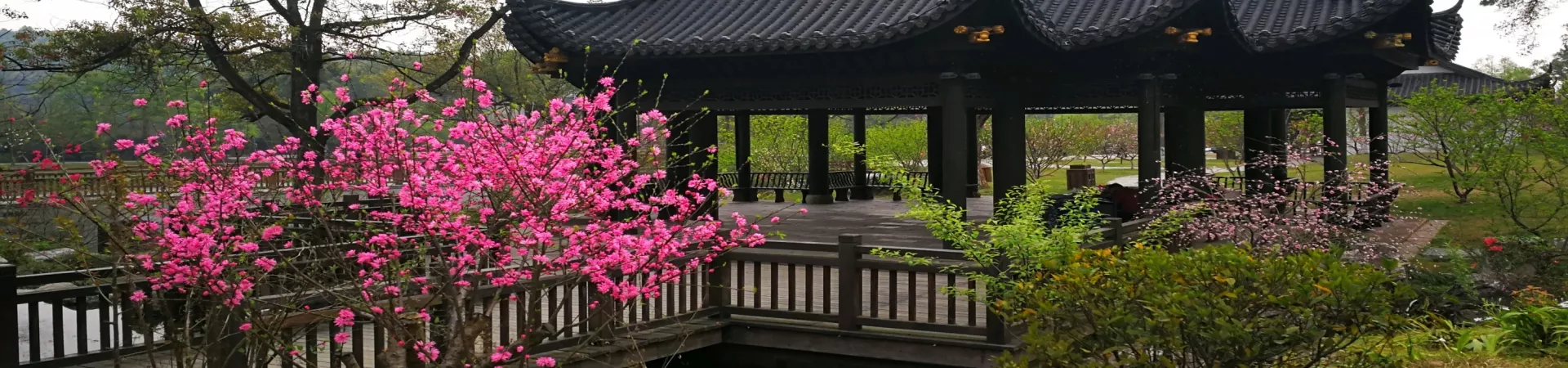
Subtitle: A Journey to the Peach Blossom Land: Discovering the Timeless Charm of Taohuayuan-Taoyuan Mountain in Changde
Introduction: The Allure of an Ancient Utopia Nestled in the northwestern part of Changde City, Hunan Province, the Taohuayuan-Taoyuan Mountain Scenic Area is far more than a mere tourist destination; it is the physical embodiment of a 1,600-year-old Chinese cultural dream. Inspired by the timeless prose "The Peach Blossom Spring" written by the Eastern Jin Dynasty poet Tao Yuanming, this landscape transcends geography to become a sanctuary for the soul. It represents a universal yearning for a peaceful, harmonious world untouched by the turmoil of the outside—a utopia where nature and humanity exist in perfect balance. For the modern visitor, a journey here is a pilgrimage into classical Chinese philosophy, literature, and aesthetics, set against a breathtaking backdrop of serene mountains, winding waters, and, of course, ethereal peach blossoms.
Section 1: The Historical and Literary Heartbeat of the Scenic Area 1.1 The Legacy of Tao Yuanming's Fable The entire identity of Taohuayuan is inextricably linked to the fable penned by the recluse poet Tao Yuanming around 421 AD. The tale recounts the accidental discovery by a fisherman of a hidden, idyllic community living in a valley accessible only through a cave behind a waterfall, surrounded by a mesmerizing forest of peach trees in full bloom. The inhabitants, descendants of people who had fled war centuries prior, lived in blissful ignorance of external conflicts and dynastic changes. This narrative is not merely a story but a profound cultural symbol of escapism, simplicity, and idealistic societal values in Chinese tradition. The scenic area is meticulously designed to bring every element of this allegory to life, allowing visitors to walk in the footsteps of the legendary fisherman.
1.2 Evolution from Literary Motif to Cultural Landscape Over the subsequent dynasties, especially during the Tang and Song periods, the concept of the "Peach Blossom Spring" evolved from a literary ideal into a tangible landscape project. Scholars, poets, and officials sought to create or identify real-world locations that matched the description. The area in Changde, with its naturally secluded river valley and suitable terrain, gradually became the most widely accepted and developed candidate. Temples, pavilions, and inscriptions were added through the centuries, layering the natural beauty with profound cultural significance. Today, the site stands as a collective masterpiece, reflecting over a millennium of Chinese intellectual and artistic endeavor to materialize a utopian vision.
Section 2: Navigating the Core Attractions of Taoyuan Mountain 2.1 The Gateway: The Peach Blossom Forest and the Fisherman's Cave The experiential journey typically begins at the iconic peach tree groves. While the blossoms are most spectacular in spring, painting the hillsides in shades of pink and white, the area retains a quiet beauty throughout the year. Following the path, visitors arrive at the crucial landmark: the "Fisherman's Cave" (Yuren Dong). This narrow, naturally formed water cave through a hill is the symbolic passage from the mundane world into the hidden paradise. Traveling by boat through this dim, cool tunnel dramatically enhances the sense of transition and discovery, perfectly mirroring the ancient tale's pivotal moment.
2.2 The Hidden Valley: Qin Village and the Square Bamboo Grove Emerging from the cave, the vista opens up to the serene "paradise within"—a peaceful basin featuring traditional-style architecture representing the fabled Qin Village. Here, courtyards, workshops, and tea houses offer a glimpse into the idealized agrarian life. A short walk leads to another natural wonder, the Square Bamboo Grove. This rare botanical phenomenon features bamboo stalks with distinctly squared-off stems, a unique sight that adds to the valley's aura of magical realism. The grove is a favorite spot for contemplation and photography.
2.3 The Summit Quest: Ascending Taoyuan Mountain For those seeking panoramic views and spiritual sites, the ascent of Taoyuan Mountain itself is essential. The well-maintained paths wind past ancient trees and rock carvings. Key landmarks on the climb include: * The Peach Blossom Temple (Taohuaguan): An ancient Taoist temple complex, often shrouded in mist, providing a place for quiet reflection and offering insights into the religious dimensions of the utopian search. * The Recluse Poet's Shrine: A site dedicated to Tao Yuanming, honoring the literary genius who sparked this enduring cultural phenomenon. * The Summit Pavilion: The climb culminates here, rewarding visitors with a breathtaking, sweeping view of the entire Wuling landscape—the winding Yuan River, forested hills, and patchwork farmland—a vista that truly inspires a sense of transcendence and peace.
Section 3: Practical Information for the Modern Traveler 3.1 Admission and Value Gaining access to this realm of cultural and natural wonder requires a modest investment. The general admission fee is set at 20 RMB per person. This fee contributes to the maintenance and preservation of the extensive scenic area, its historical structures, and its ecological environment. Considering the depth of historical immersion and the quality of the natural experience provided, this represents exceptional value for any traveler.
3.2 Optimal Timing for the Visit To witness the area's namesake glory, spring (March to April) is undoubtedly the peak season, when the peach blossoms create an unforgettable spectacle. However, the scenic area possesses distinct charms in other seasons: lush greenery in summer, golden and crimson hues in autumn, and a stark, quiet beauty in winter. Visiting on weekdays or during shoulder seasons can offer a more solitary and contemplative experience.
3.3 Suggested Itinerary and Local Culture A comprehensive visit requires a full day. A recommended route is to enter through the main gate, explore the peach groves, traverse the Fisherman's Cave by boat, immerse in the Qin Village and Square Bamboo Grove, then embark on the hike up Taoyuan Mountain. Descending via a different path allows for a circular tour. Beyond the landscapes, engage with local culture by sampling Changde's famous rice noodles, tasting "Taoyuan Tea," or appreciating performances of local folk songs and dances that often draw themes from the Peach Blossom Spring legend.
Section 4: The Enduring Relevance of the Utopian Ideal In today's fast-paced, interconnected world, the message of Taohuayuan-Taoyuan Mountain resonates more deeply than ever. It is not simply an invitation to admire scenic beauty, but a call to momentarily disconnect and seek inner peace. The site challenges visitors to reflect on their own values—the pursuit of simplicity, the importance of community, and the harmony between human endeavors and the natural world. It serves as a powerful reminder that while a perfect, isolated utopia may remain a literary construct, the pursuit of tranquility, beauty, and meaning is a timeless and very personal journey. Every path walked, every blossom admired, and every silent moment enjoyed on Taoyuan Mountain is a step towards discovering one's own "peach blossom spring."