Chengtou Mountain National Archaeological Site Park
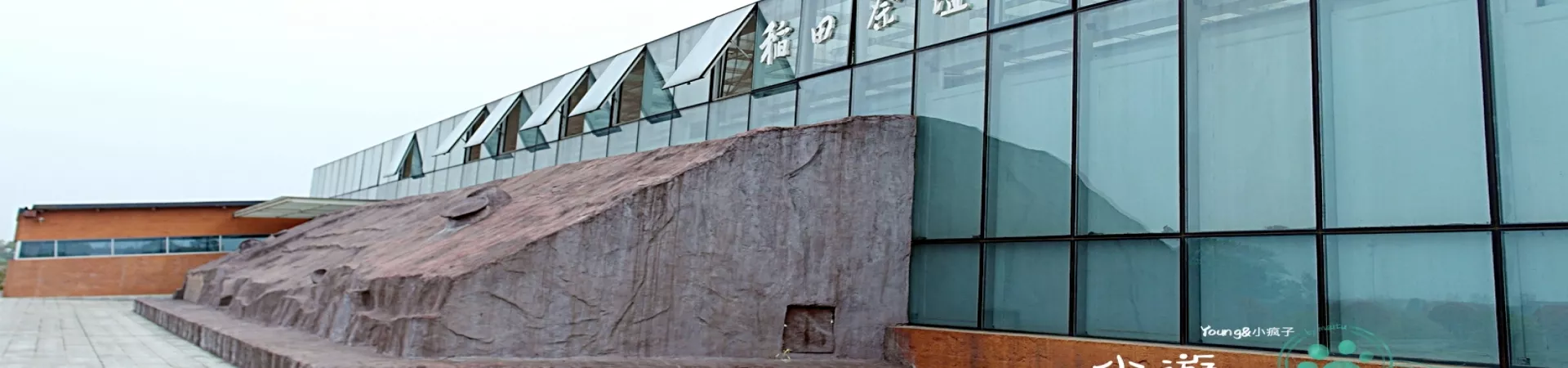
Subtitle: A Journey to the Dawn of Chinese Civilization: Exploring the Chengtoushan National Archaeological Park
1. Introduction: The Cradle of the First City Nestled in the heart of the Liyang Plain, approximately 10 kilometers northwest of Lixian County in Changde City, Hunan Province, lies an archaeological treasure of unparalleled significance: the Chengtoushan National Archaeological Park. Encompassing an area of 150,000 square meters, this site is not merely a collection of ancient ruins but a profound narrative etched into the earth, telling the story of one of humanity's earliest urban experiments. Following nine major scientific excavations organized by the Hunan Provincial Institute of Archaeology between 1991 and 1999, Chengtoushan has been conclusively identified as the earliest, most completely preserved, and most culturally rich ancient city site yet discovered in China. Dating back approximately 6,000 years, it rightfully claims the title of "China's First City," offering visitors a tangible connection to the sophisticated social structures and technological achievements of Neolithic society.
2. Architectural Grandeur and Urban Planning The scale and design of Chengtoushan reveal a highly organized community with remarkable engineering capabilities. The city's layout alone speaks volumes about its advanced planning.
2.1 The Circular Fortress: Walls and Moats The most striking feature is its circular plan, a deliberate design that set it apart from later rectangular city models. The city was fortified by a massive rammed-earth wall, stretching over 1,000 meters in length, with a base width exceeding 30 meters and an original height of 4-5 meters. An estimated 100,000 cubic meters of earth were used in its construction, all excavated from an impressive, purpose-built defensive moat. This moat, encircling the city with a width of 30-40 meters, served as both a formidable barrier and a vital water resource. Together, the imposing wall and the expansive moat enclosed and protected an inner urban area of about 80,000 square meters.
2.2 Gates and Thoroughfares Access to this fortified community was controlled through four main gates positioned at the cardinal points: east, south, west, and north. These gates connected to a network of internal roads, with a particularly wide central avenue excavated within the city, indicating organized movement and possibly ceremonial processions. The strategic placement of the gates and the evidence of broad roads underscore a conscious urban design facilitating communication, trade, and social order.
3. Life Within the Walls: A Functional City Excavations within the city walls have painted a detailed picture of a complex, fully functional urban center with distinct functional zones, challenging earlier perceptions of Neolithic life as simple and nomadic.
3.1 Residential and Craft Quarters Archaeologists have uncovered extensive foundations of stilt-house (pile-dwelling) residential complexes, suggesting a sizable population living in organized neighborhoods. Adjacent to these living areas, a well-equipped pottery workshop was discovered. This specialized craft zone, complete with kilns, tools, and work areas, indicates advanced ceramic production techniques and the presence of skilled artisans, pointing to early forms of industry and economic specialization.
3.2 Spiritual and Mortuary Practices The city plan also allocated specific areas for spiritual and funerary purposes. A dedicated sacrificial or temple area hints at shared religious beliefs and communal rituals that helped bind the society together. Furthermore, a dense and overlapping public cemetery has been unearthed, providing invaluable anthropological data. The burial practices and grave goods found here offer silent testimony to the social hierarchy, health, and beliefs about the afterlife held by the city's inhabitants.
4. The Groundbreaking Discovery: The World's Oldest Paddy Fields Perhaps the most revolutionary discovery at Chengtoushan, one that resonates on a global scale, was made just north of the eastern city gate. Here, archaeologists uncovered the world's earliest known irrigated rice paddy fields, dating back an astonishing 6,500 years.
4.1 Significance of the Ancient Agriculture This find dramatically rewrites the history of agriculture and permanent settlement in the Yangtze River basin. The carefully engineered fields, with their remnants of irrigation channels and bunds, prove that the people of Chengtoushan were not just hunters or gatherers but sophisticated agriculturalists who mastered wet-rice cultivation. This reliable food surplus is widely considered the fundamental prerequisite for the emergence of stable, large-scale settlements like cities.
4.2 The Link Between Rice and Urbanization The paddy fields are not an isolated feature but are intrinsically linked to the very existence of the city itself. They provide the "why" behind Chengtoushan's emergence. The ability to produce ample rice allowed for population growth, social stratification, and the diversion of labor to non-agricultural tasks such as wall construction, pottery making, and governance. Therefore, Chengtoushan stands as irrefutable evidence of the direct evolutionary path from advanced agriculture to urban civilization in East Asia.
5. Visitor Information For those planning a visit to this cornerstone of human history, the following practical details are essential. The park is open daily, though hours seasonally. From July 1st to September 30th, operating hours are 8:30 AM to 4:30 PM. From October 1st to June 30th of the following year, the park closes slightly earlier, at 4:00 PM. It is always advisable to verify the schedule on the day of your visit, as adjustments may occur. The entrance fee is set at a modest 15 yuan, making this unparalleled historical experience accessible to all. For any direct inquiries, you may contact the park at 0736-3363358. A journey to Chengtoushan is more than a simple tour; it is a walk through time into the very origins of urban life in China.