Zhang Yuan Han Tomb
Subtitle: A Journey into the Cao Family's Legacy: Exploring the Zhangyuan Han Tomb in Bozhou
Introduction: A Silent Sentinel in the Urban Landscape
Nestled along the bustling Weiwu Avenue in the heart of Bozhou city, Anhui Province, stands a silent and profound testament to ancient grandeur: the Zhangyuan Han Tomb. As one of the significant tombs within the Cao Family Cemetery complex, this site transcends its modern urban surroundings, offering visitors a direct portal to the rich cultural and historical tapestry of the Eastern Han Dynasty (25-220 AD). Designated as a National Key Cultural Relics Protection Unit, the tomb is not merely an archaeological site but a carefully preserved historical narrative, inviting exploration into the burial customs, architectural prowess, and social hierarchies of a bygone era. Its transformation into an accessible tourist attraction, following careful conservation, allows the public to engage intimately with a chapter of China's deep history.
Architectural Layout and Construction: A Subterranean Palace of Brick and Stone
The Zhangyuan Han Tomb is a masterpiece of Eastern Han funerary architecture, characterized by its scale, complexity, and sophisticated brickwork.
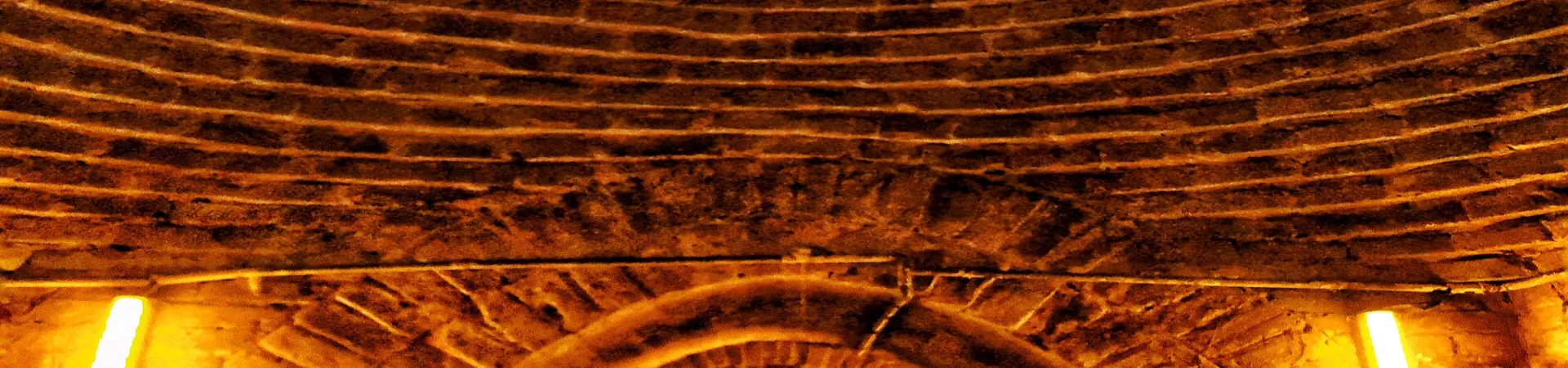
2.1. The Tomb Structure: An Eleven-Chambered Complex Excavated and cleared in 1989, the tomb reveals a large-scale, multi-chambered layout built entirely from patterned rope-textured bricks. The design follows a traditional axial plan, comprising a sequence of main chambers—including an antechamber, a central chamber, and a rear chamber—flanked by several side chambers (ear chambers), totaling eleven distinct rooms. This arrangement mirrors the spatial organization of a residential compound, reflecting the Han belief in providing the deceased with all necessary comforts for the afterlife. The chambers are primarily roofed with elegant domed vaults (穹隆顶), while a few feature arched vaults (拱形券顶). These vaulted ceilings, interconnected by arched passageways, demonstrate advanced engineering techniques that ensured the structure's durability over two millennia.
2.2. The Elaborate Stone Gate: Guardian of the Eternal Rest The tomb's entrance, facing east in accordance with traditional principles, is its most striking architectural feature. Constructed from stone, it serves as a fortified and artistically rich threshold. The lintel (门额) is adorned with a vivid relief carving of a dragon and tiger locked in a dynamic pose. This powerful imagery was not merely decorative; it held deep symbolic meaning, intended to ward off evil spirits and protect the sanctity of the tomb, acting as eternal guardians for the soul within.
Flanking the stone doorframe, intricate carvings depict scenes of respectful service. On the southern side, a figure is carved holding a "hui" (拥慧), a ceremonial broom. This gesture, as recorded in historical texts like the Records of the Grand Historian, was a highest ritual of hospitality and respect, signifying the welcoming of honored guests. Its presence here symbolizes the eternal readiness to receive visitors or perhaps the spirit's esteemed status. On the northern side, another attendant is portrayed reverently holding a cosmetic case (捧奁). This detail offers a glimpse into the daily life and personal care of the elite, suggesting the tomb's occupant was a person of high rank and refined lifestyle, for whom such grooming essentials were essential even in the afterlife.
Historical Mysteries and Archaeological Findings
The story of the Zhangyuan Han Tomb is shrouded in intriguing mystery, largely due to the ravages of time and human intrusion.
3.1. The Mystery of the Occupant Despite its impressive scale, which unequivocally indicates the occupant's high social status—likely a prominent member of the powerful Cao family, which dominated the region during the late Eastern Han and Three Kingdoms period—the tomb's specific owner remains unidentified. Historical records linking directly to this particular structure are absent. Furthermore, the tomb suffered from multiple burglaries in ancient times, which stripped it of the vast majority of its original grave goods. These objects, often inscribed or characteristic of a specific rank, would have been crucial for definitive identification.
3.2. Fragments of Evidence: The Remaining Artifacts The limited artifacts recovered during the 1989 excavation, though few, are culturally significant. They include items such as jade pigs (玉猪) and pottery jars (陶罐). The jade pig, a common Han funerary object placed in the hand of the deceased, symbolized wealth and provided sustenance for the journey to the afterlife. These remaining pieces, while valuable for understanding burial practices, are insufficient to pinpoint the exact identity of the tomb's master. This unresolved question awaits future archaeological discoveries or scholarly breakthroughs for a conclusive answer, adding an element of ongoing discovery to the site.
The Modern Visitor Experience: Preservation and Presentation
Recognizing its immense value and precarious state, significant efforts were undertaken to conserve and present the tomb for contemporary audiences.
4.1. Conservation and Enhancement In November 2000, a major restoration and reinforcement project was completed to stabilize the ancient structure and make it safe for public access. Beyond essential preservation, the project enhanced the visitor experience by constructing ancillary structures designed to evoke the Han dynasty atmosphere. These include a simulated Han-era offering hall (仿汉亨堂) and perimeter walls. These additions contextualize the tomb within a ritual space, helping visitors imagine the ceremonies that once took place there.
4.2. Practical Information for Your Visit Today, the Zhangyuan Han Tomb stands as a key cultural and tourist destination in Bozhou. For those planning a visit, the following practical details are essential: * Opening Hours: The site is open daily from 8:30 AM to 5:30 PM, with last admission at 5:00 PM. These hours are consistent throughout the year. * Admission Fee: Entry to the tomb complex requires a ticket, priced at 20 RMB per person. * Contact: For any inquiries prior to your visit, you may contact the site management at 0558-5510122.
Walking through the cool, dimly lit chambers of the Zhangyuan Han Tomb, one moves from the ornate stone gate past the empty niches that once held treasures, through the brick-vaulted corridors. It is an immersive experience where the grandeur of the architecture speaks volumes, the silent stone carvings tell stories of ritual and belief, and the very emptiness left by looters whispers of history's complexities. It is a place that connects the modern visitor not just to the power of the Cao family, but to the universal human endeavors of honoring the dead, seeking eternity, and leaving a mark for future generations to ponder.