Wanfo Pagoda
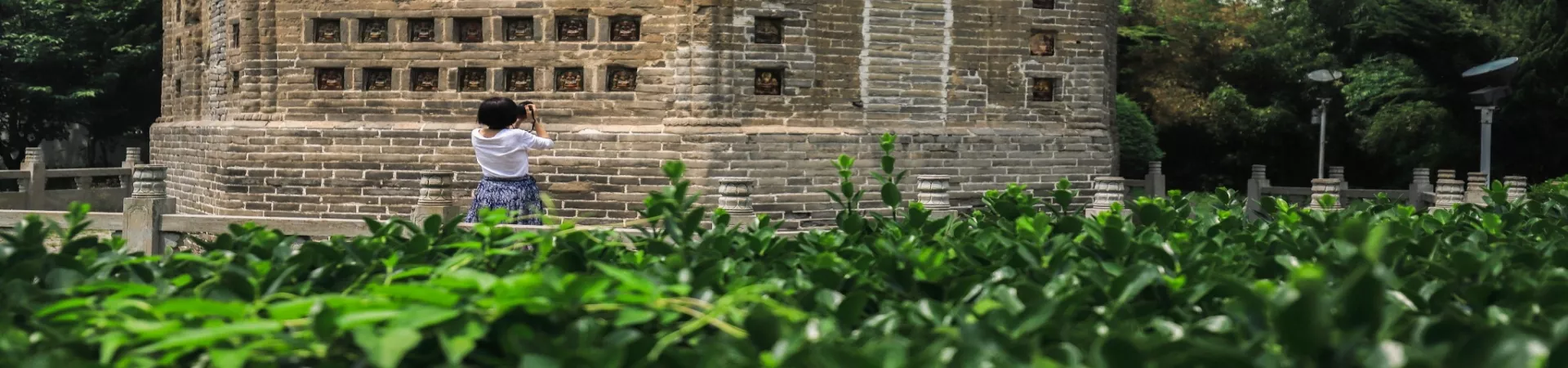
Subtitle: A Journey Through Time and Faith at Bozhou's Ten Thousand Buddha Pagoda
1. Introduction: The Silent Sentinel of Bozhou
Rising from the ancient plains of northern Anhui, the Ten Thousand Buddha Pagoda (Wan Fo Ta) stands not merely as an architectural relic, but as a profound testament to the spiritual and artistic zenith of Chinese Buddhist culture. Located in the historic city of Bozhou, a place famed as the hometown of the legendary healer Hua Tuo and a cradle of Taoist philosophy, this pagoda offers a contrasting yet harmonious narrative of Buddhist devotion. Its very name, "Ten Thousand Buddhas," promises an encounter with sublime artistry, where every brick and carving whispers tales from the Song Dynasty. For the modern traveler, a visit here is more than a sightseeing stop; it is an immersive walk through layers of history, art, and serene contemplation, away from the relentless pace of contemporary life. This guide aims to provide a detailed exploration of this magnificent structure, ensuring you can fully appreciate its grandeur and tranquility.
2. Historical and Architectural Grandeur
2.1. Origins and Historical Significance The Ten Thousand Buddha Pagoda's foundations are deeply rooted in the Northern Song Dynasty (circa 11th century), a period renowned for its cultural flourishing and advancements in Buddhist art and architecture. Constructed from brick and stone without the use of timber, its resilience is a marvel in itself, having withstood the tests of time, weather, and historical upheavals for nearly a millennium. The pagoda was built as an act of deep piety, intended to house sacred scriptures and serve as a focal point for meditation and worship. Its survival makes it an invaluable archaeological and historical resource, providing insights into the religious practices, architectural techniques, and aesthetic values of imperial China. Each tier of the pagoda represents not just a physical level but a step closer to spiritual enlightenment, mirroring the Buddhist cosmological view of the universe.
2.2. Architectural Design and Symbolism Architecturally, the pagoda is a masterpiece of Song Dynasty brick pagoda design. It typically features a robust, octagonal base, symbolizing the Eightfold Path, which stabilizes the structure and represents the foundation of Buddhist practice. The body of the pagoda tapers gracefully as it ascends, culminating in a majestic spire that seems to pierce the heavens. This vertical progression from a broad base to a pointed peak is a physical metaphor for the soul's journey from earthly attachment towards nirvana. The use of intricate brick corbelling to create eaves and the replication of wooden architectural details in fired clay showcase the extraordinary skill of its builders. The structure's solidity and lack of internal staircases (common in many pagodas of this type) emphasize its role as a stupa—a reliquary monument—meant to be circumambulated and admired from the outside, directing spiritual energy outward into the world.
3. The Artistic Heart: A Myriad of Buddhas
3.1. The Exterior Tapestry of Sculptures The defining feature that earns the pagoda its glorious name is the breathtaking array of sculpted Buddha figures adorning its exterior surfaces. Numbering in the thousands rather than a literal ten thousand, these niches house exquisitely carved statues, each one unique in its subtle details. The Buddhas are depicted in various mudras (ritual hand gestures) and postures, representing different aspects of the Buddha's teachings and life. Some sit in serene meditation (dhyana mudra), while others offer blessings or turn the wheel of law. This vast assembly creates a powerful visual impact, transforming the pagoda's facade into a dynamic, three-dimensional mandala. It is a physical manifestation of the Buddhist concept of the "Buddha fields" or pure lands, suggesting the omnipresence of enlightenment.
3.2. Details and Craftsmanship Upon closer inspection, the craftsmanship reveals astonishing precision. The robes of the figures flow with naturalistic folds, their facial expressions range from serene detachment to compassionate smiles, capturing a spectrum of spiritual states. The figures are arranged in orderly rows, creating a rhythmic pattern that guides the eye upward. Between the primary niches, one can often find finer carvings of celestial beings, lotus flowers (symbolizing purity), and other auspicious motifs. The play of sunlight and shadow across this sculpted landscape throughout the day animates the stone, making the figures appear almost alive. This exterior is not merely decoration; it is an integral part of the pagoda's sacred function, serving as a visual scripture for illiterate devotees and a focus for devotional practice.
4. Practical Information for the Visitor
4.1. Location and Accessibility The Ten Thousand Buddha Pagoda is situated within Bozhou city, Anhui Province. Bozhou itself is well-connected by rail and road to major cities like Hefei and Zhengzhou. The pagoda is often located within or adjacent to a tranquil temple complex or a historical park. Visitors are advised to use reliable digital maps or consult local tourism information centers for the most precise directions. The surrounding area is generally flat and accessible, though the immediate vicinity of the pagoda may have traditional stone pathways.
4.2. Opening Hours and Admission * General Opening Hours: The pagoda and its surrounding scenic area are open to the public daily from 9:00 AM to 5:00 PM for daytime visits. * Night Viewing Sessions: A special opportunity exists on Fridays, Saturdays, and Sundays, when the site extends its hours for night viewing from 6:30 PM to 9:00 PM. This offers a dramatically different and often magical perspective, as the pagoda is artistically illuminated against the night sky. * Last Admission: It is crucial to note the last admission times to plan your visit accordingly. For the daytime session, last entry is at 4:30 PM. For the night session on weekends, last entry is at 8:30 PM. * Weekly Closure: The site is typically closed for maintenance or may have limited access on Mondays. It is always recommended to verify this before your visit, as schedules can occasionally change for holidays or special events. * Admission Fees: As ticket policies are subject to change, it is highly advisable to check the latest pricing and any potential discounts (for students, seniors, etc.) directly with the scenic area management. For the most current information, you may contact them at 0579-82781118.
4.3. Planning Your Visit * Suggested Duration: To fully appreciate the pagoda's architecture, examine the detailed carvings, and enjoy the peaceful ambiance of the grounds, a visit of 1 to 2 hours is recommended. This allows for a leisurely pace without feeling rushed. * Best Time to Visit: Early mornings on weekdays are ideal for avoiding crowds and capturing the soft morning light on the carvings. The weekend night sessions provide a unique and photogenic experience. * Visitor Tips: Wear comfortable walking shoes. As a site of cultural and religious significance, visitors are encouraged to dress modestly and maintain a respectful demeanor. Photography is generally permitted, but the use of flash or tripods may be restricted, especially inside any protected areas. Carry drinking water, particularly during the warmer months.
5. The Experience Beyond the Structure
The visit to the Ten Thousand Buddha Pagoda extends beyond the monument itself. The surrounding garden or temple grounds are designed for contemplation. The act of slowly walking around the pagoda, observing the countless faces of the Buddhas, induces a state of mindful calm. The distant sounds of the city fade, replaced by the rustle of leaves and the occasional chime from a temple bell. This environment encourages reflection on the impermanence symbolized by the ancient stones and the enduring quest for peace and understanding they represent. It is a place where history is felt, art is revered, and a moment of quietude can be found amidst the echoes of a thousand-year-old prayer.
Information last verified: November 2022. Schedules and details are subject to change; please confirm before your visit.